
Tuesday, November 10, 2026Nov 10

GOP tax overhaul will be felt by state, local governments

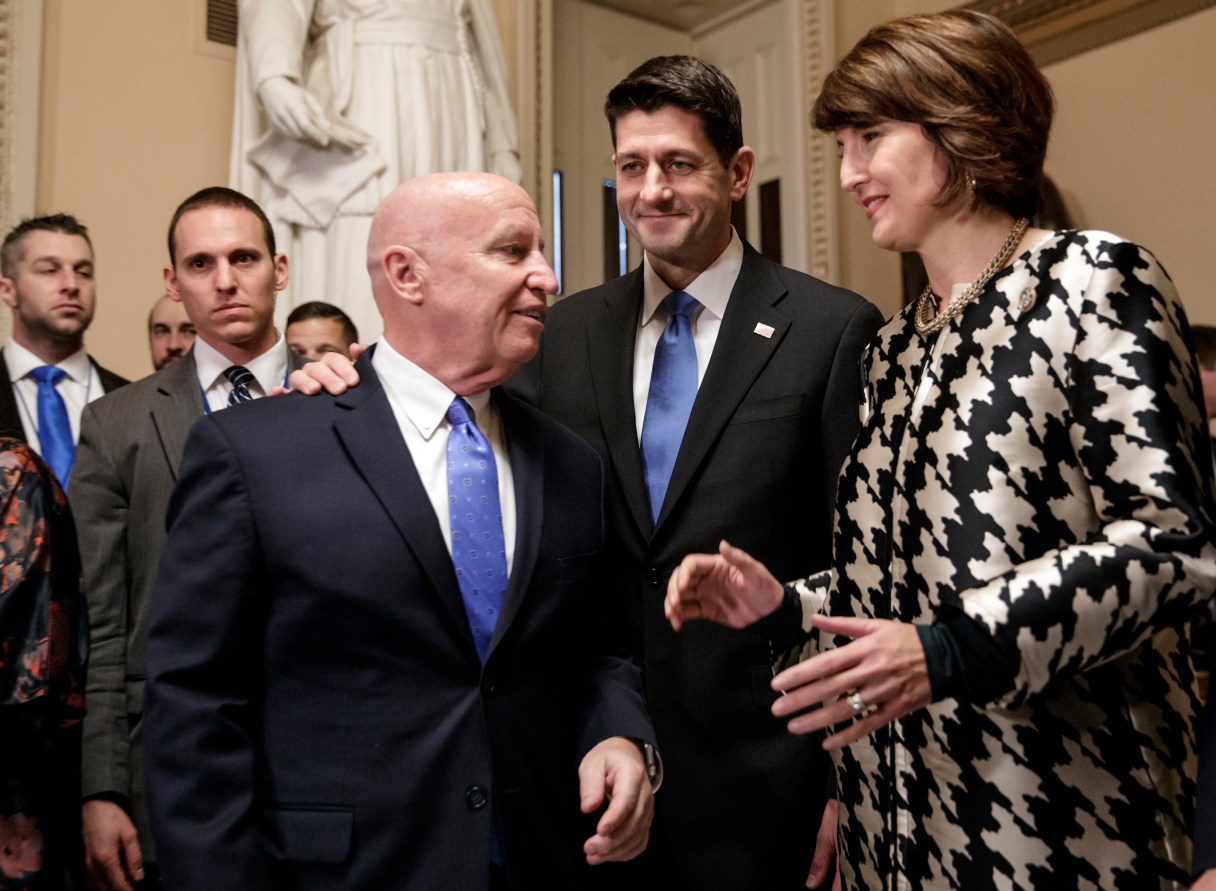
From left, House Ways and Means Committee Chairman Kevin Brady, R-Texas, Speaker of the House Paul Ryan, R-Wis., and Rep. Cathy McMorris Rodgers, R-Wash., chair of the Republican Conference, prepare to speak to reporters after passing the GOP tax reform bill in the House of Representatives, on Capitol Hill, in Washington, Tuesday, Dec. 19, 2017.
From left, House Ways and Means Committee Chairman Kevin Brady, R-Texas, Speaker of the House Paul Ryan, R-Wis., and Rep. Cathy McMorris Rodgers, R-Wash., chair of the Republican Conference, prepare to speak to reporters after passing the GOP tax reform bill in the House of Representatives, on Capitol Hill, in Washington, Tuesday, Dec. 19, 2017. From left, House Ways and Means Committee Chairman Kevin Brady, R-Texas, Speaker of the House Paul Ryan, R-Wis., and Rep. Cathy McMorris Rodgers, R-Wash., chair of the Republican Conference, prepare to speak to reporters after passing the GOP tax reform bill in the House of Representatives, on Capitol Hill, in Washington, Tuesday, Dec. 19, 2017.

With Congress sending President Donald Trump a tax overhaul, state and local governments are preparing for some fallout.

A look at some of the ways it might affect them:

FEDERAL-STATE CONNECTIONS

The federal tax overhaul will force officials in most states to decide whether to apply similar changes to their own income taxes.

Nearly every state with its own income tax relies on a federal definition of income. About half automatically apply federal tax provisions to their state income taxes unless lawmakers decide against it. In most others, legislators must update state laws to continue linking their tax code to the federal one.