

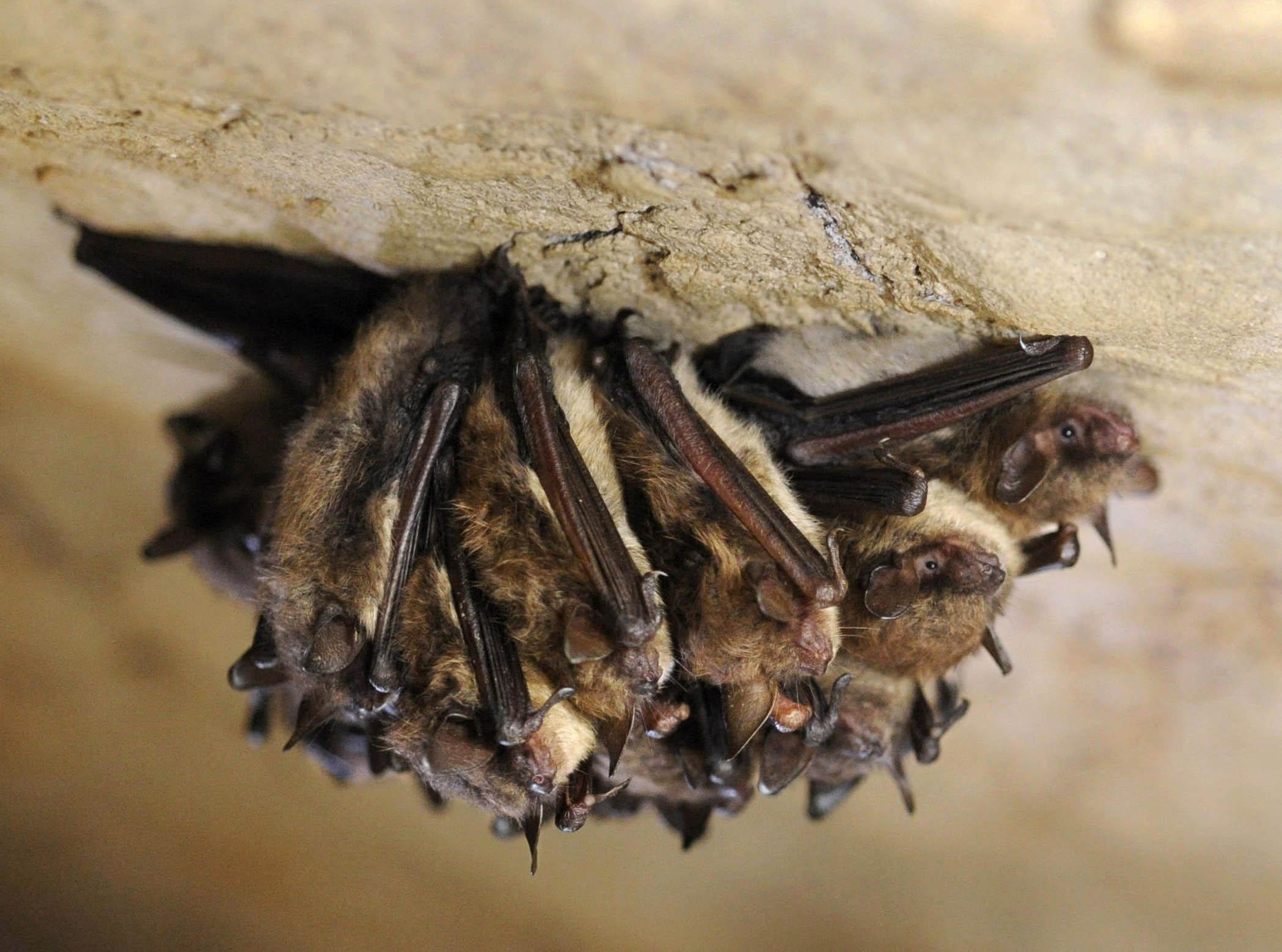
 In a Dec. 16, 2011 photograph, a cluster of little brown bats hibernate in New Mammoth Cave near LaFollette, Tenn. Researchers with the University of Tennessee and Bucknell University are collecting 100 little brown bats from Tennessee caves for research aimed at combating white nose syndrome, a fungal disease that infects and kills hibernating bats. (AP Photo/Amy Smotherman Burgess, Knoxville News Sentinel)
Tennessee could receive nearly $21 million annually for proactive wildlife management, conservation and restoration under proposed bipartisan legislation introduced in Congress.
Lawmakers hope the plan will provide much-needed funding for state agencies to perform their legal responsibilities.
“Tennessee Wildlife Resources Agency has revitalized countless species through science-based management,” Tennessee Wildlife Federation CEO Michael Butler said. “This bill is a reasonable investment in that proven and pragmatic approach.”
All 50 states and five U.S. territories adopted Wildlife Action Plans in 2005. The plans were developed by states to conserve wildlife and habitat before they become too costly to restore.
Much of that responsibility fell on the TWRA, which is legally mandated to manage and conserve all species in the area.