
“Learning how to think really means learning how to exercise some control over how and what you think. It means being conscious and aware enough to choose what you pay attention to and to choose how you construct meaning from experience.” – David Foster Wallace, novelist and professor
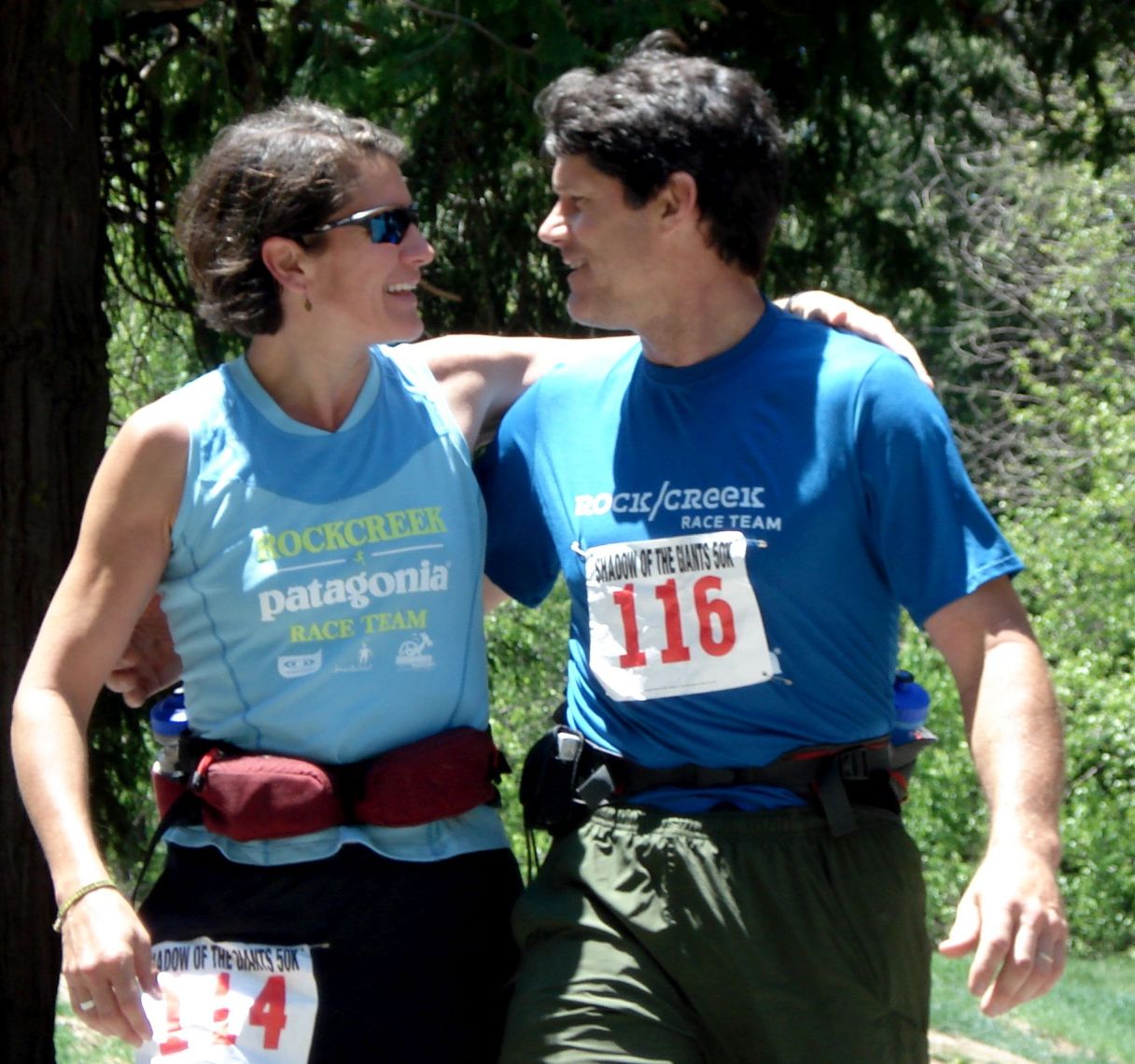
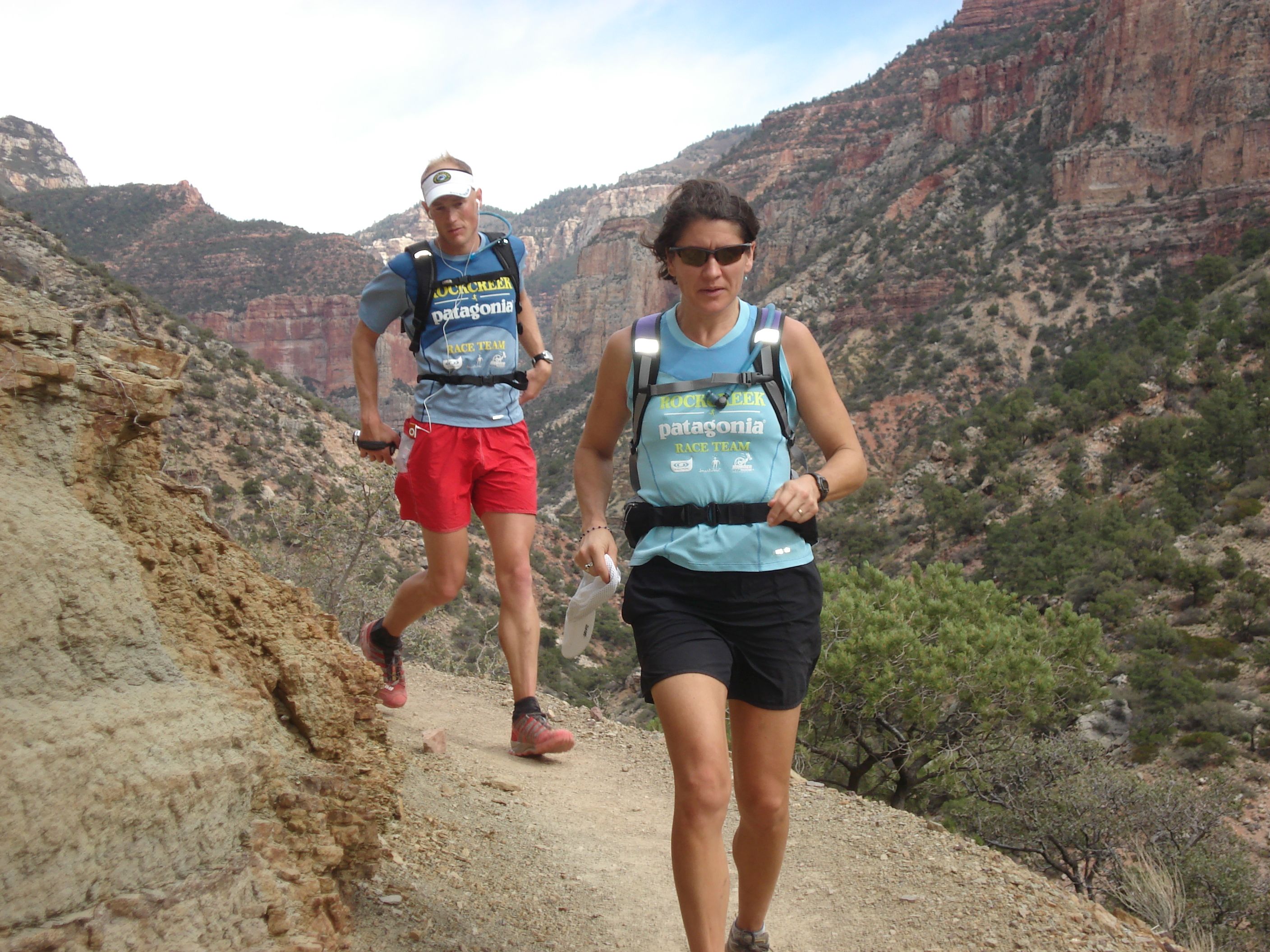
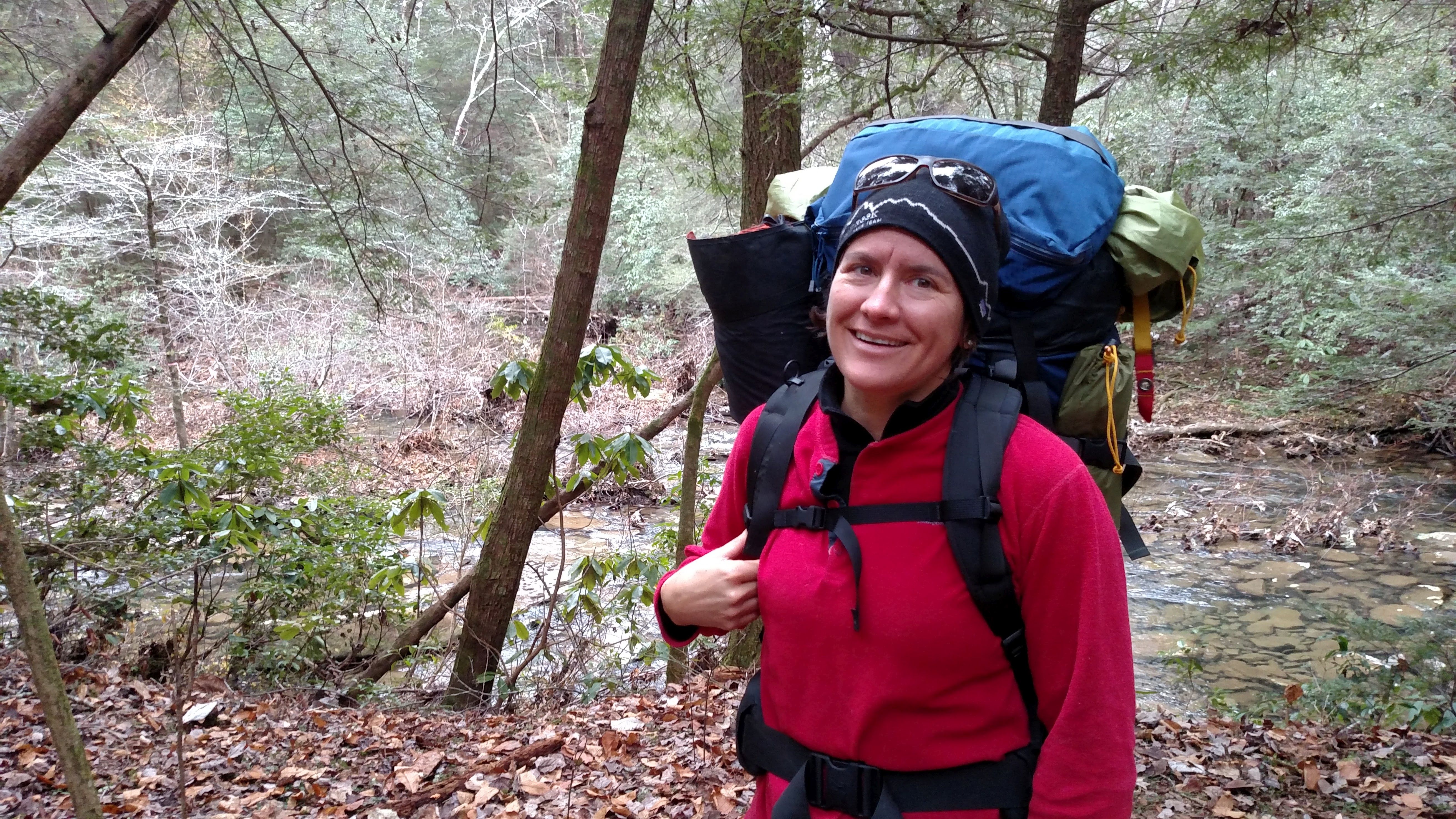
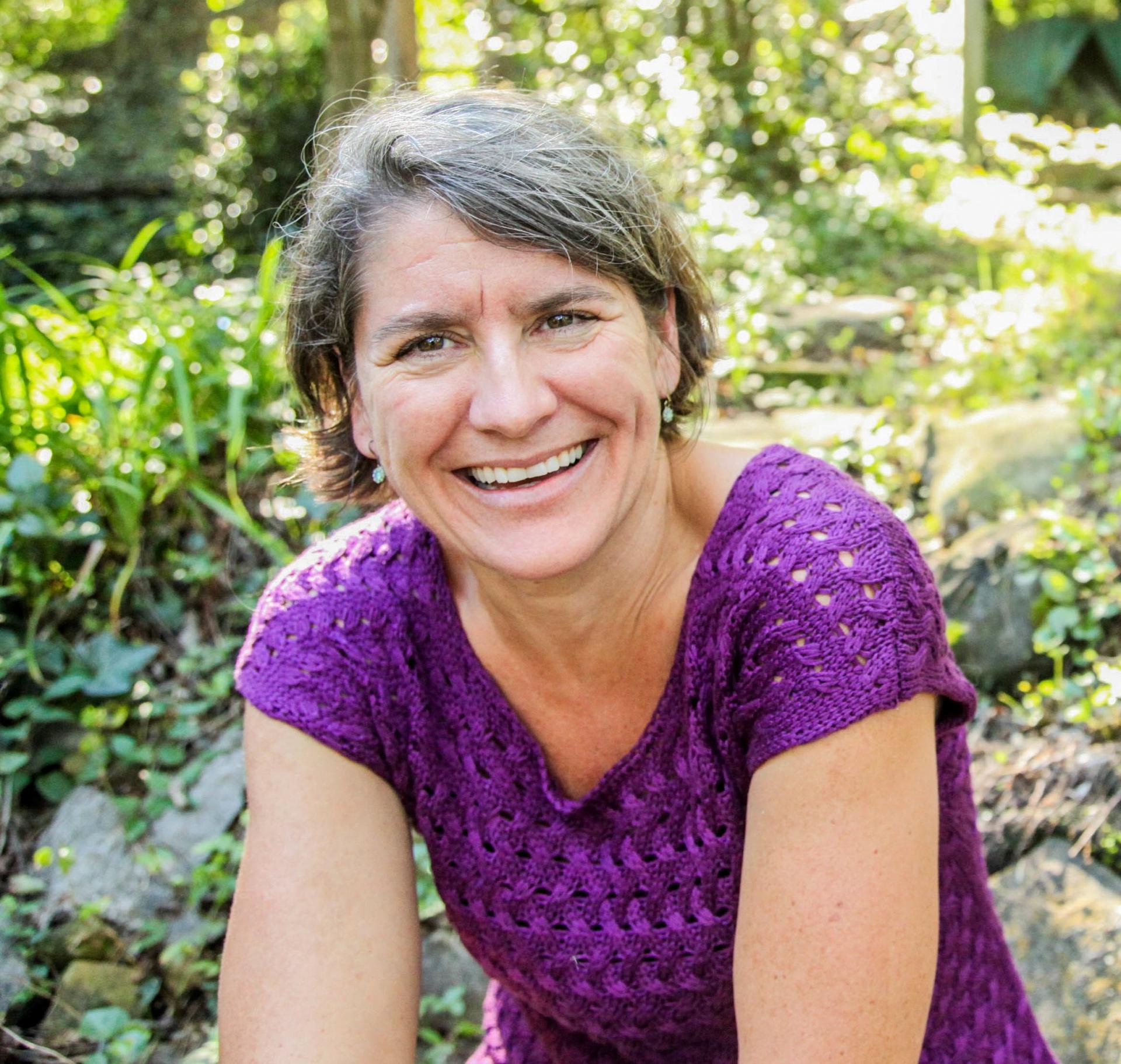
Kris Whorton is a runner at heart.
“It is the thing that makes me happiest,” she says. “Nothing fills my spirit the same way.”
Whorton, an English lecturer at the University of Tennessee at Chattanooga, is one of the top-ranked female ultra-runners in the world. To date, she has completed 59 ultra-marathons and nine 100-milers. In 2009, at age 48, she set a new world record for female runners when she finished North Carolina’s Umstead 100-mile trail race in 16 hours and five minutes. The previous record – 16 hours and 19 minutes – had been set by a Russian woman in 2008.
“People think that having your best race means you win, and sometimes it does. But sometimes you win a race and it’s not your best,” Whorton says.
For her, a “best race” is when she is able to channel her best self, mentally and physically. “It is about reconciling all the uncertainties that are out there. You have to learn to be mentally flexible. You have to let yourself be present for whatever is going to happen, because everything can go wrong,” Whorton says.
Though Whorton did not know it at the time, Umstead would be her last 100-miler.
***
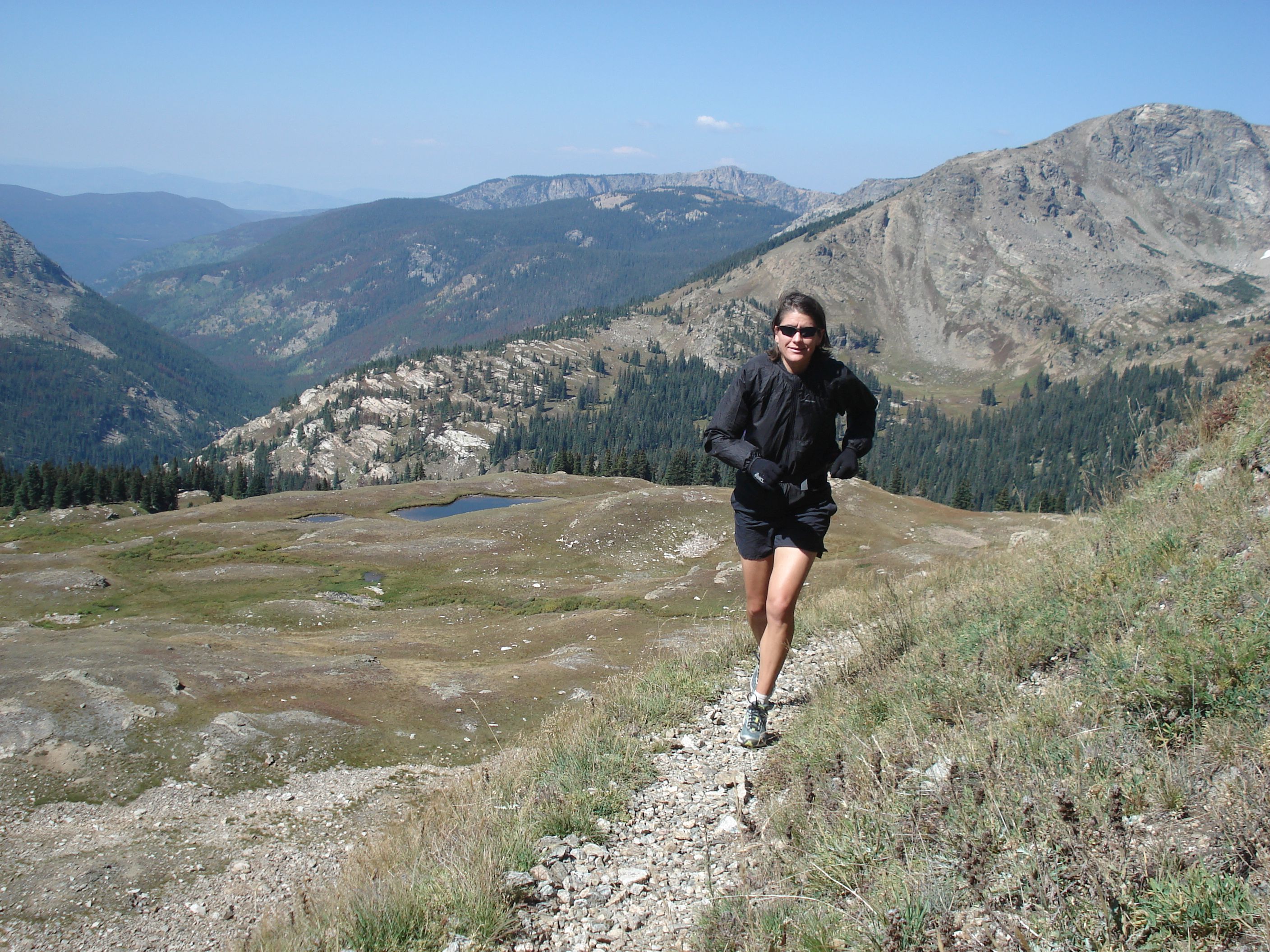
Whorton grew up in Boulder, Colorado, where she fell in love with trail running. One summer midnight, when she was 18 years old and home from college, she couldn’t sleep, so she donned her running shoes and hit the street. From there, she followed a dirt road out of her neighborhood and into the nearby canyon. The canyon connected with the Mesa Trail, which Whorton continued along until the dark track became too steep and rocky. Then, she turned around and went home.
“But I was thinking, ‘Why would anybody choose to run on roads?'” Whorton says.
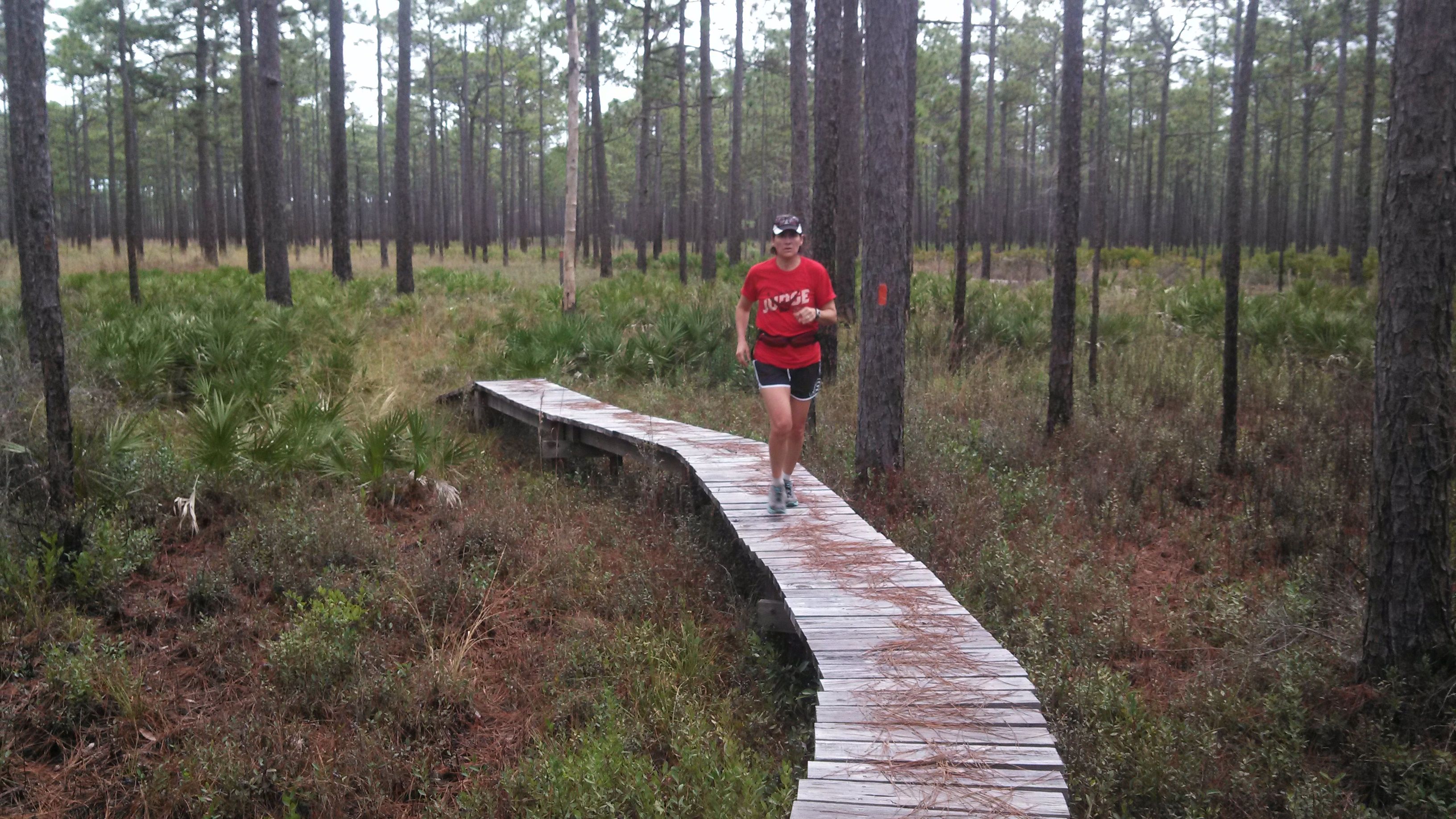
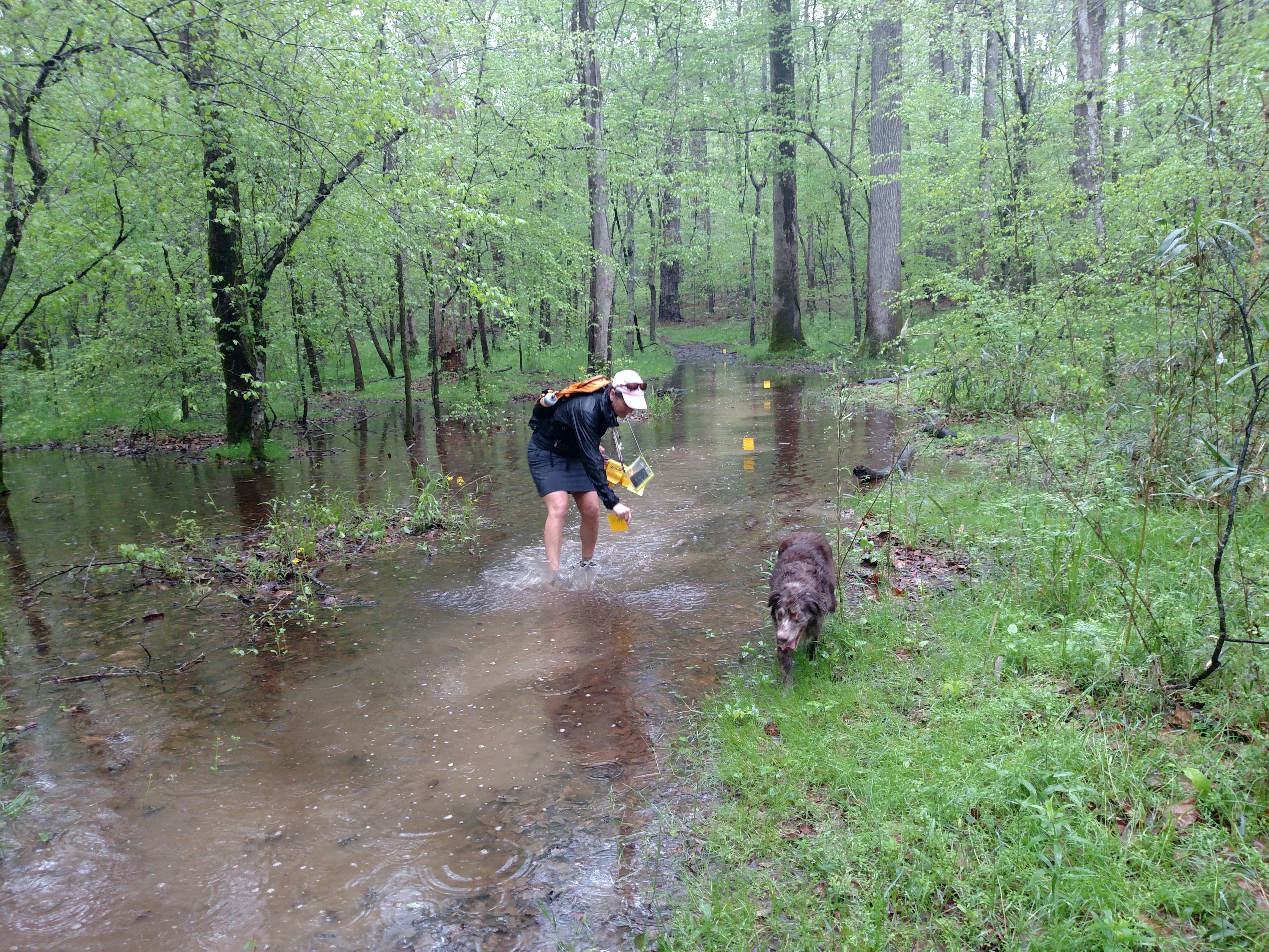
To her, trail running offers a sense of escapism. In the woods, she says, each season seems to open a new world: verdant and warm in the spring; contemplative and ghostly in the winter. Within those different “worlds,” Whorton found room to explore the metaphysical side of her sport.
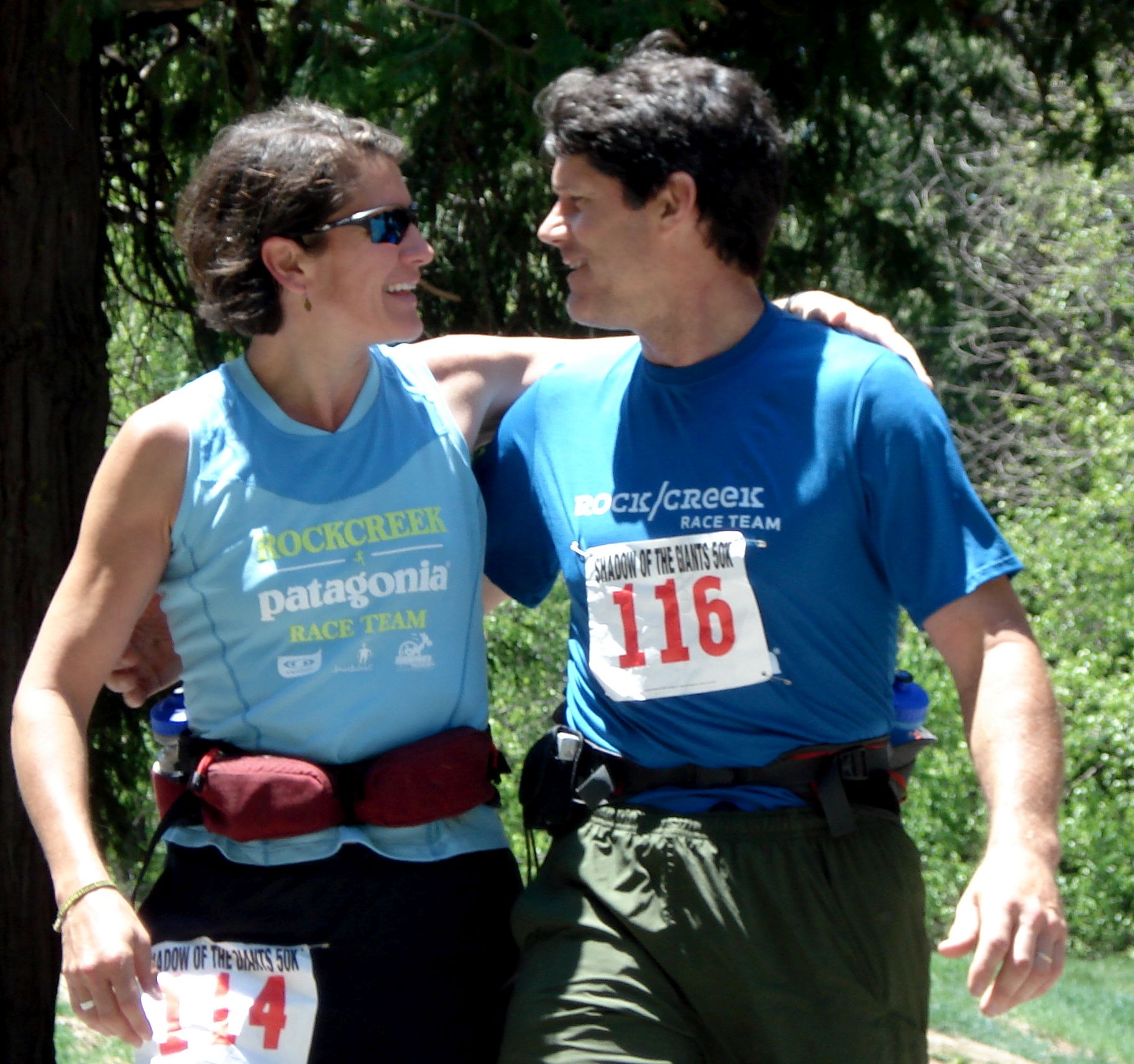
When she and her husband Randy, also an ultra-runner, began to train for longer distances, they would often play what Whorton calls “esoteric games.” The object of those games was to overcome an “irrational inability.”
“We really can convince our bodies they can do things that they don’t want to do,” Whorton says. For instance, she continues, “We’d say, ‘OK, what happens if we go 20 miles on one bottle of water and with no food?’ It was a mental and physical test.”
In 2000, Randy convinced her to sign up for an Ironman triathlon, despite the fact she never learned to swim.
“I couldn’t even doggie paddle ten yards. I was afraid of the water,” Whorton says. “But I realized if I was going to get in the pool and train five days a week, I couldn’t waste a bunch of energy being afraid.”
On race day, instead of fear, she chose simply to enjoy each stroke. Ultimately, she finished the 2.4-mile swim 30 minutes ahead of her hoped-for time.
But the race that best illustrates Whorton’s “best self” might be the Mississippi 50 trail run in 2009, which she completed in 8 hours and five minutes, a personal record.
“It was a hot day, like 87 degrees, and it felt pretty hideous,” Whorton says of that 50-miler. “But I kept telling myself it felt good. I told myself that I loved the heat. Though I don’t. I told myself I was strong and solid. I kept feeling better and better, and I had this great run. That’s why I decided to do Umstead.”
Umstead, the 100-miler in which she set a new world record, was a month later. Though she didn’t realize the extent, Whorton was injured going into that race. She had fallen during a training run, damaging two vertebrate and two discs, some time before the Mississippi 50.
“I suppressed the memory. I figured it would work itself out,” says Whorton, who did not see a doctor until a year later. By then, she had also injured her left Achilles tendon – followed by her right Achilles tendon.
“I was in pain all the time. It totally undid me,” Whorton says.
Over the years, Whorton has learned to manage her pain without surgery or pain medication. But part of her recovery means no more 100-milers, though she still runs. Since 2009, she has competed in a couple 50k’s and a couple stage races, a series of races over multiple days requiring runners to pace themselves to maintain stamina. This spring, she plans to compete in a couple 25k trail races in Alabama.
In place of training six days week, Whorton says she has finally found time to focus on writing: her second passion. Last summer, Whorton received her Masters of Fine Arts in creative writing through Rainier Writing Workshop via Washington State. Currently, she is working on the third draft of her first novel.
“We are never the way we were before, and we’re not how we are going to be in the future,” she says.
One must learn to adapt, Whorton says, and find meaning in life experiences.