
Thursday, November 12, 2026Nov 12

Sohn: State lawmakers must seek tax equity

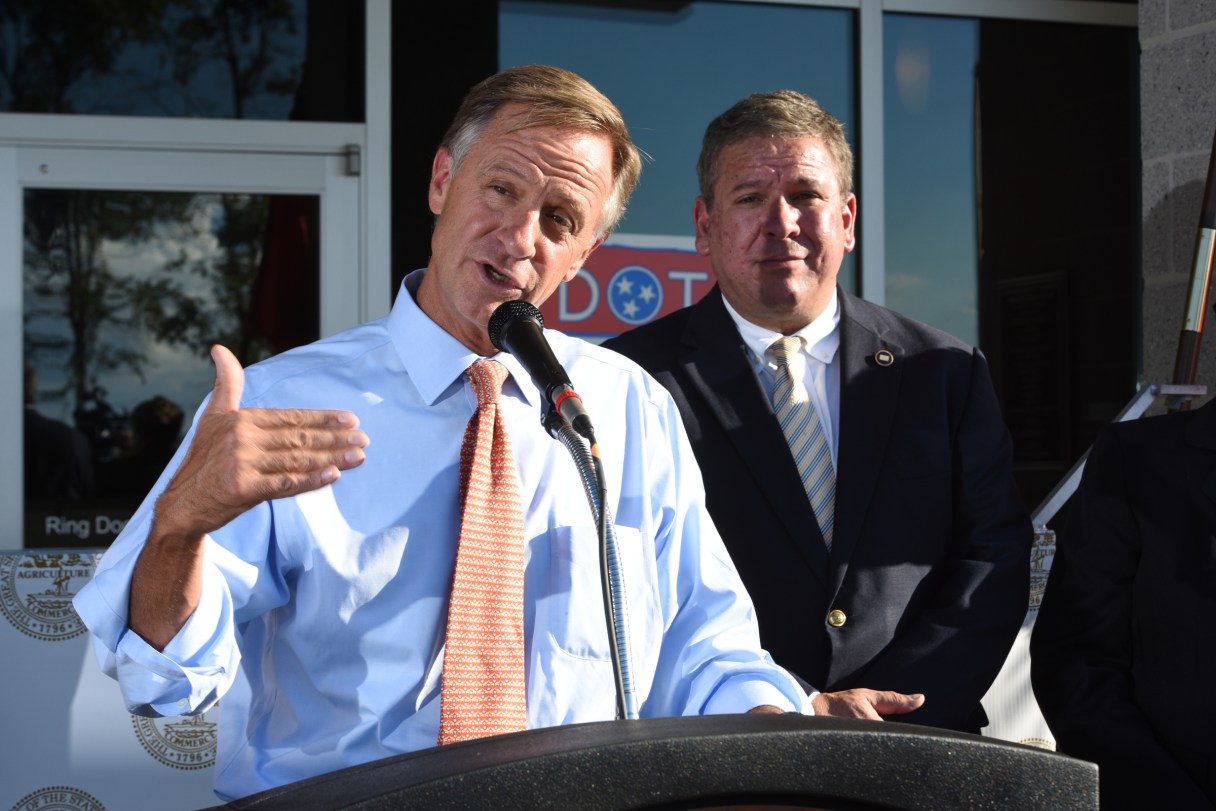
Tennessee Governor Bill Haslam talks about the commitment the state has to Volkswagen Wednesday outside the Tennessee Department of Transportation Management Center in Chattanooga. Tennessee General Assembly House Speaker Gerald McCormick listens, back right. The governor had just come from visiting with workers inside the plant Wednesday afternoon, Oct. 7, 2015.
Tennessee Governor Bill Haslam talks about the commitment the state has to Volkswagen Wednesday outside the Tennessee Department of Transportation Management Center in Chattanooga. Tennessee General Assembly House Speaker Gerald McCormick listens, back right. The governor had just come from visiting with workers inside the plant Wednesday afternoon, Oct. 7, 2015. Tennessee Governor Bill Haslam talks about the commitment the state has to Volkswagen Wednesday outside the Tennessee Department of Transportation Management Center in Chattanooga. Tennessee General Assembly House Speaker Gerald McCormick listens, back right. The governor had just come from visiting with workers inside the plant Wednesday afternoon, Oct. 7, 2015.

It’s time for a bit of tax equity and tax honesty.

Tennessee’s Republican Gov. Bill Haslam is finding that as he seeks additional money for roads through proposed increases on fuel taxes, he’s opening a conversation about tax fairness.

Haslam is pushing a bill to raise the tax on gas and diesel to help tackle a projected backlog of $10.5 billion in highway and bridge projects. But, with the state holding a $1.1 billion surplus in non-highway tax revenue that pays for general government functions like education and prisons, the governor also has proposed cutting three taxes by $270 million, including reducing the state’s 5 percent sales tax on food by a half percentage point, or $55 million.

Herein lies the question of equity.

If you assume another $113 million in tax cuts aimed for manufacturers will generate jobs, you’re still left with $102 million in cuts slated to benefit wealthy folks with investments – folks like those who pay the Hall income tax, which would be phased out at an increasingly rapid pace under Haslam’s proposal.