
What to plant
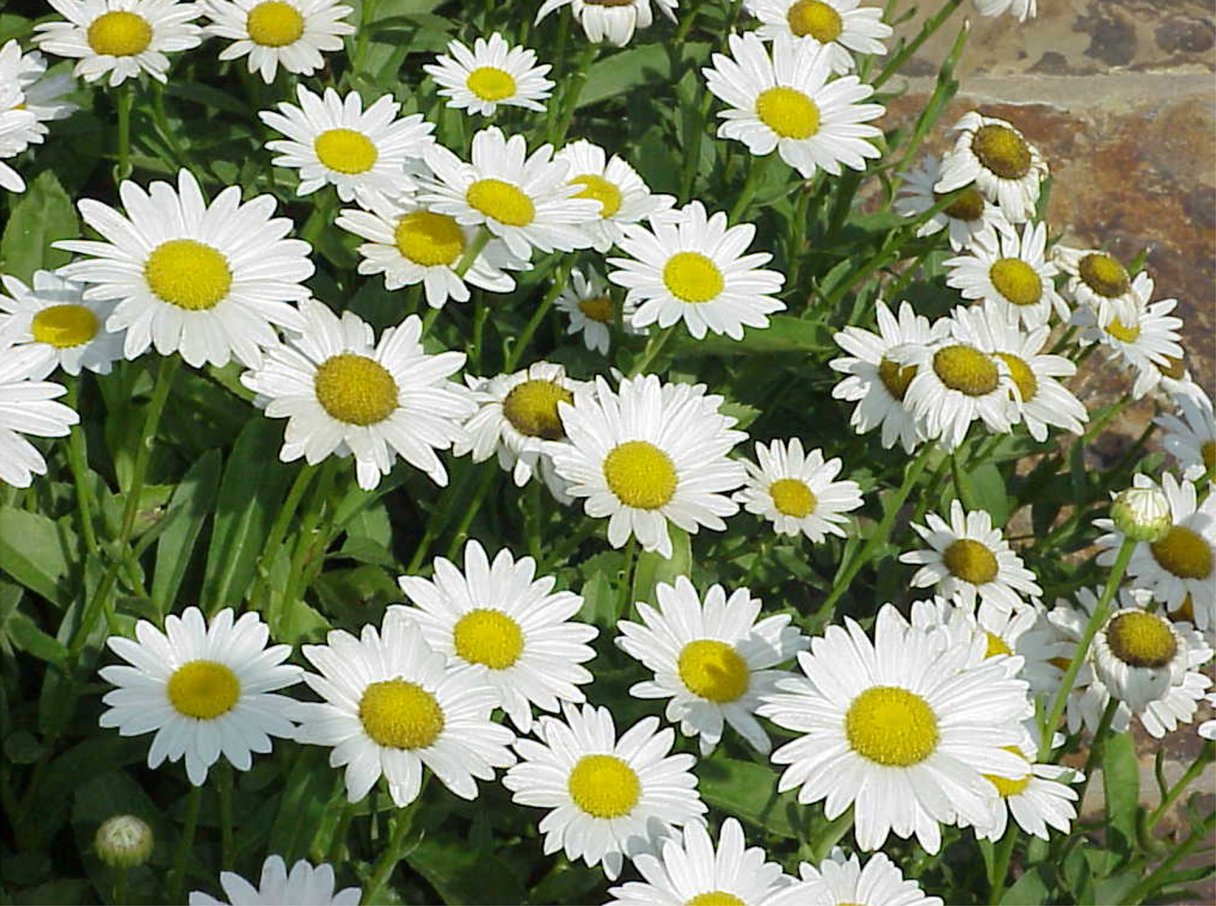
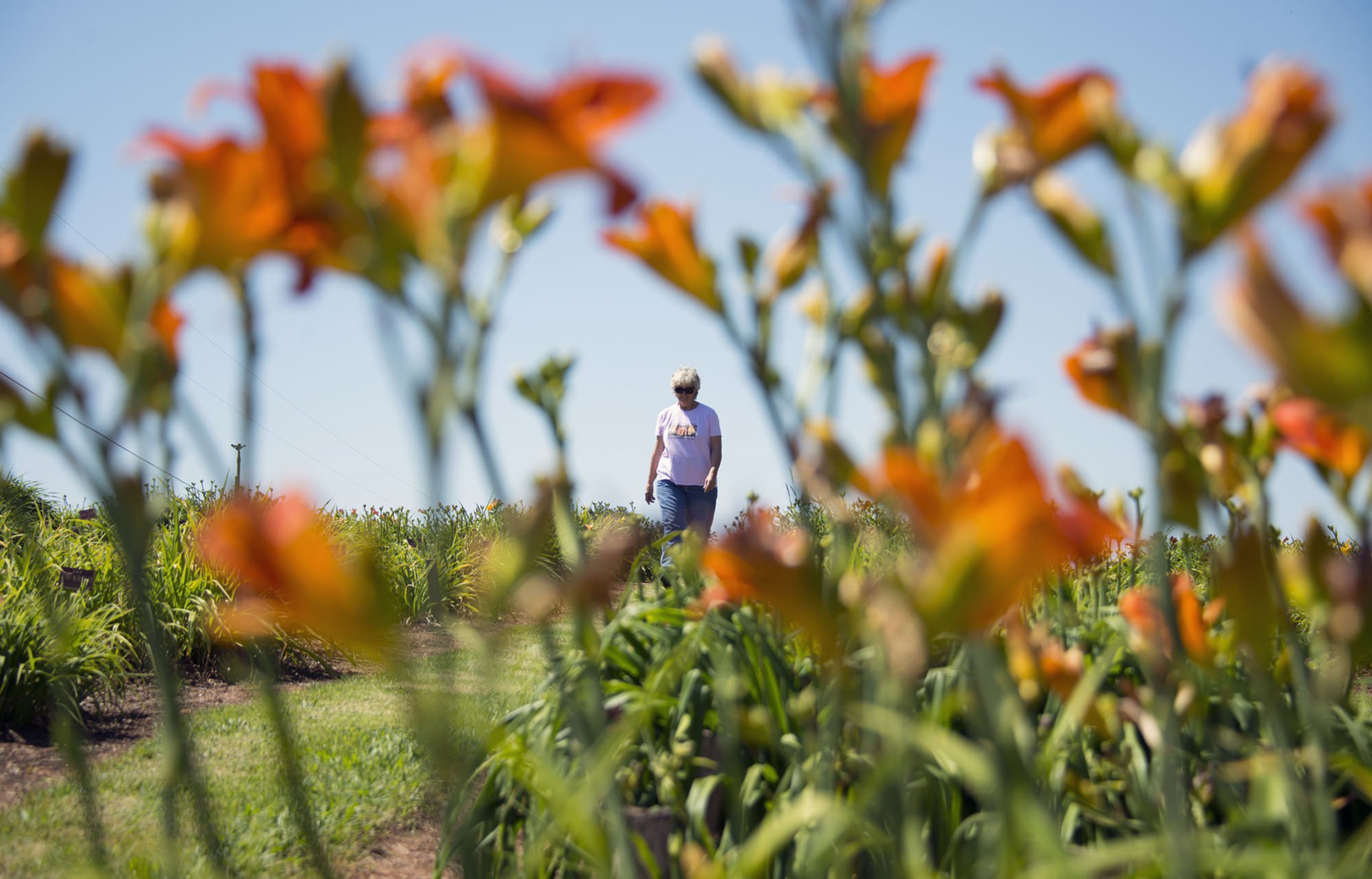
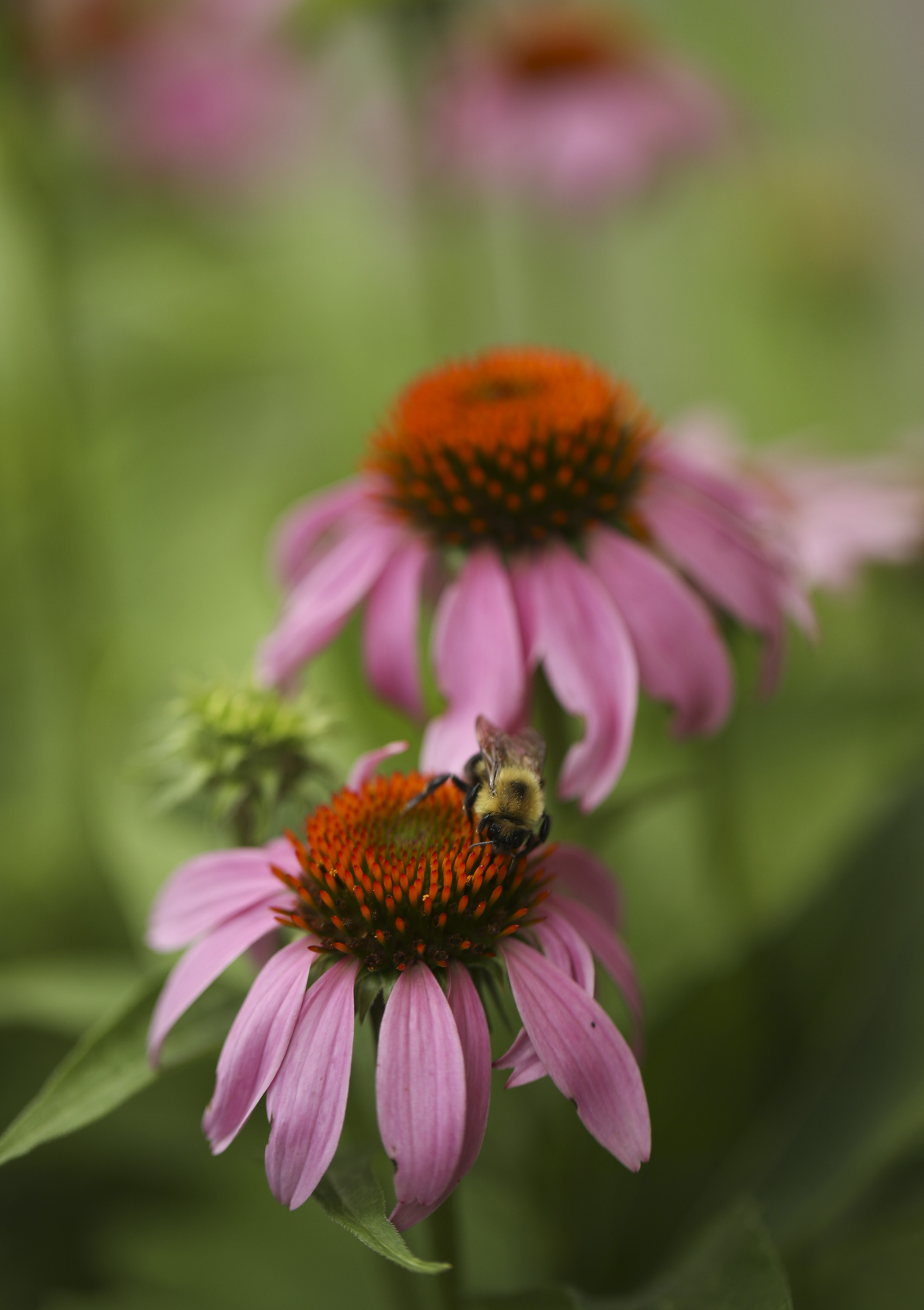
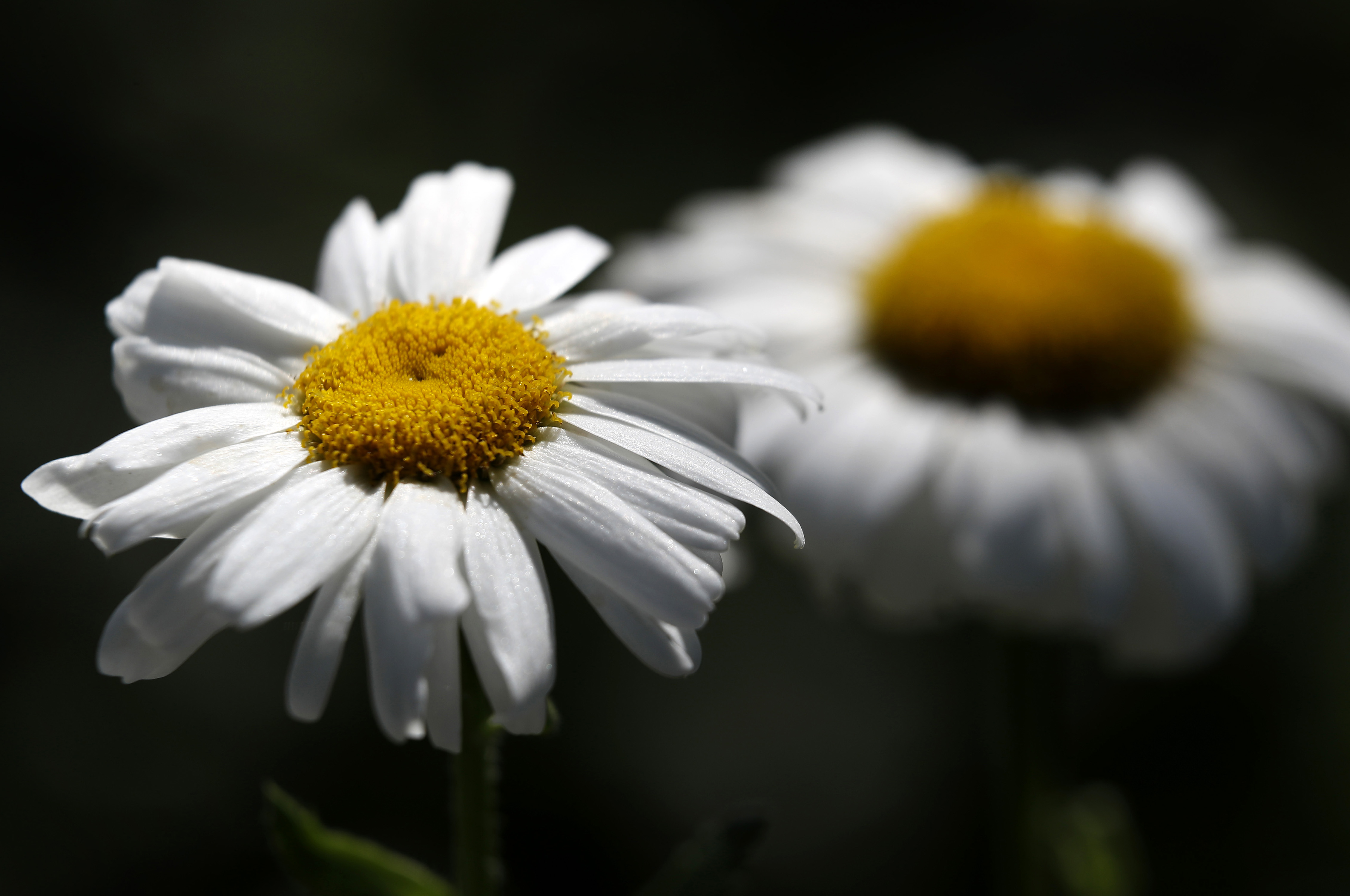
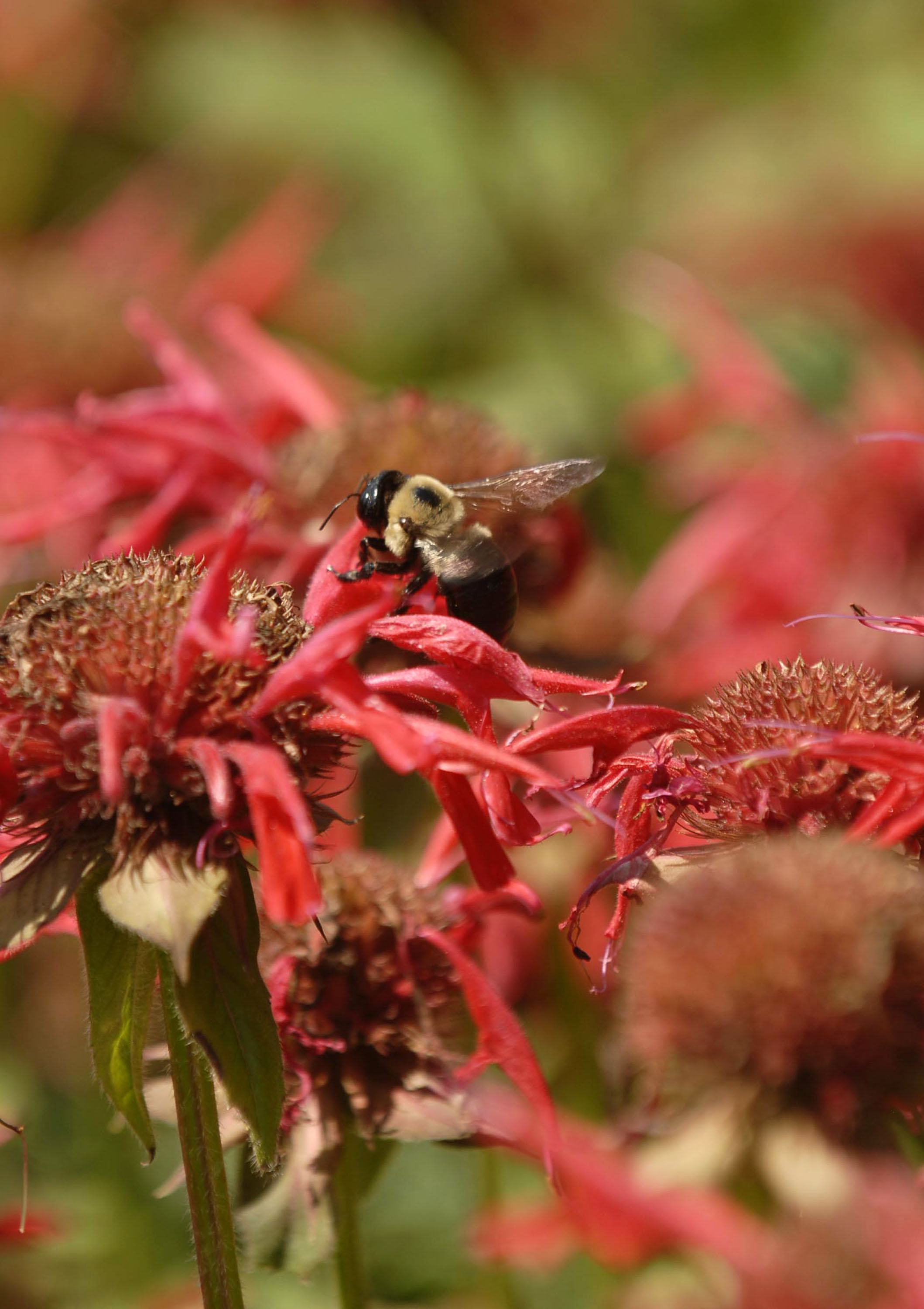
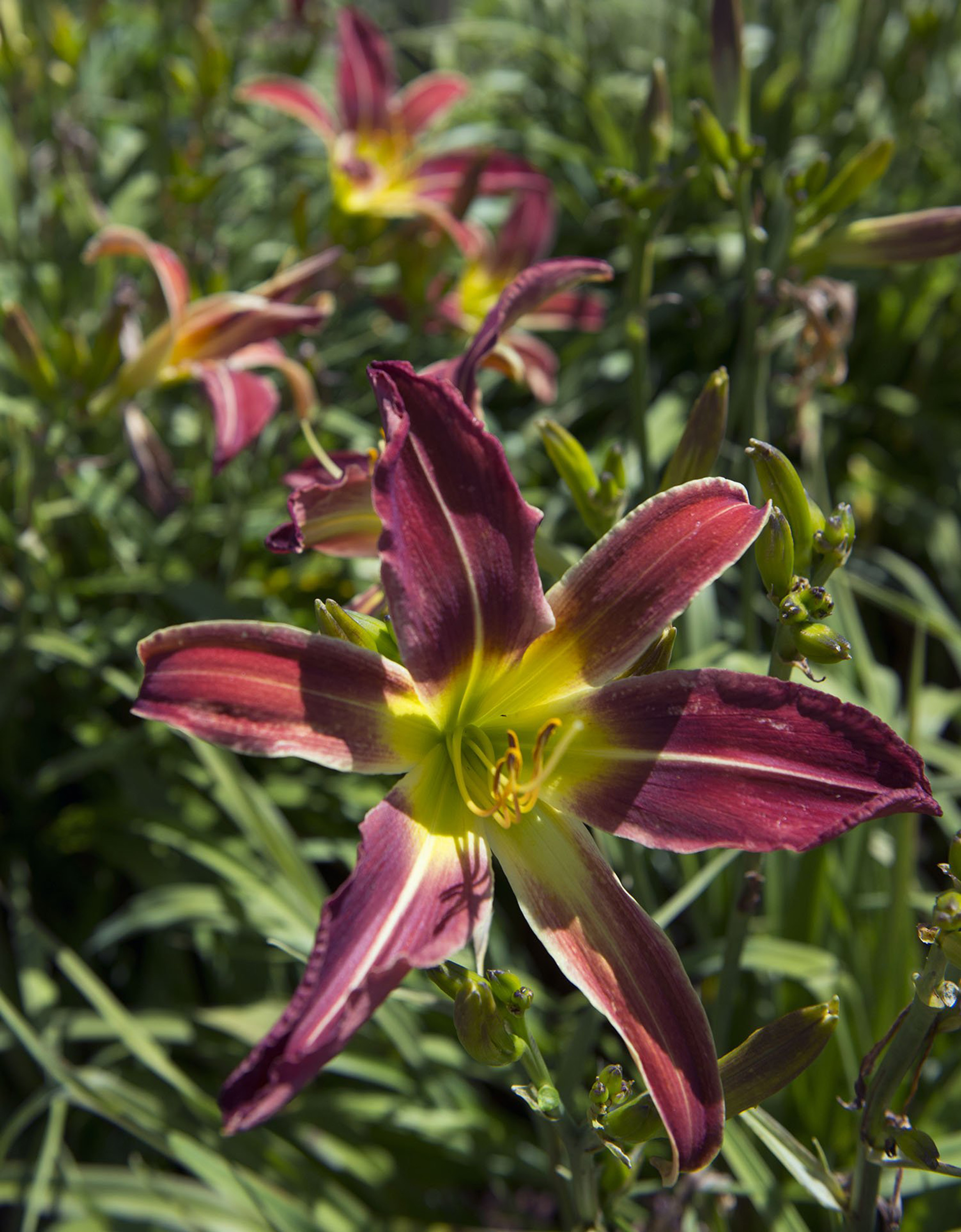
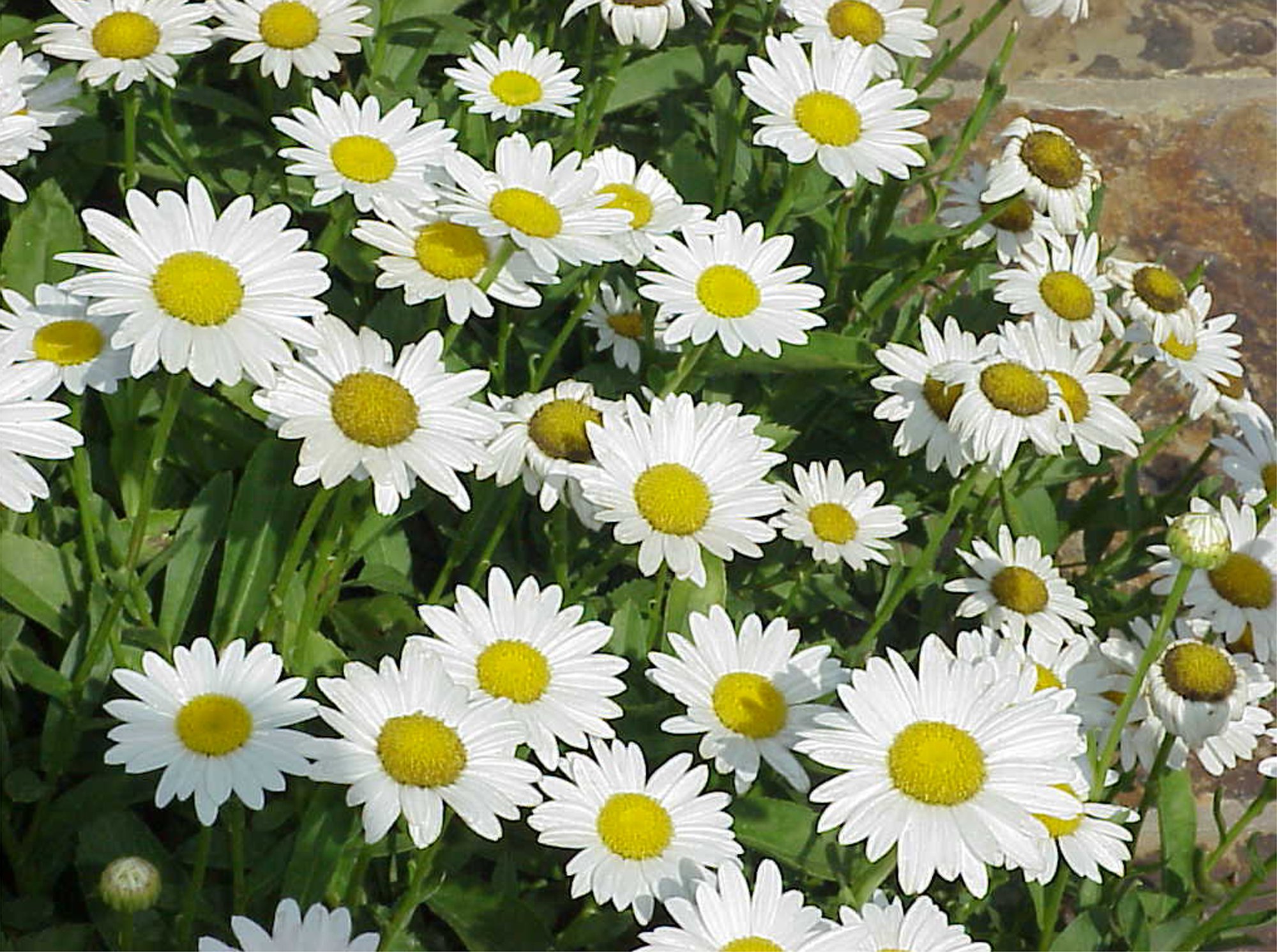
Here are some that do well in Zone 7:Flowers› Daylilies› Rudbeckia (Black-eyed Susan)› Echinacea (Coneflower)› Liriope (Monkey grass)› Astilbe› Iris› Shasta daisy› Bee balmShrubs› Azaleas› Hydrangeas› Forsythia› Spiraea› Butterfly bush› Euyonomous (burning bush)Trees› Maple› Eastern redbud› Dogwood› Cherry› Tulip poplar› Serviceberry› Thundercloud plumSources: www.gardenguides.com, www.arborday.org
High to low
The U.S. Department of Agriculture’s Plant Hardiness Zone map is based on an average of the lowest winter temperatures each year. Overall in U.S.› Lowest: Zone 1a, inside the Arctic Circle in Alaska, where lows hit -55 degrees.› Highest: Zone 12b, Hawaii, with “lows” of 55-60 degrees.In continental U.S.› Lowest: Zone 3a, uppermost Minnesota and upstate Maine, where lows hit -40 to -35 degrees.› Highest: Zone 11b, Key West with lows between 45-50 degrees.

“Oh my gosh that’s a beautiful plant! Won’t it look great in my yard?”
No doubt that thought popped into some folks’ heads while on vacation or visiting a friend in another part of the country. And maybe they’re right. Maybe that plant will look great in their yard.
Or maybe they should just buy the plant and set it on fire.
Banana trees and bougainvillea vines are familiar perennials in South Florida. You can plant them here, but say goodbye after the summer. They ain’t comin’ back.
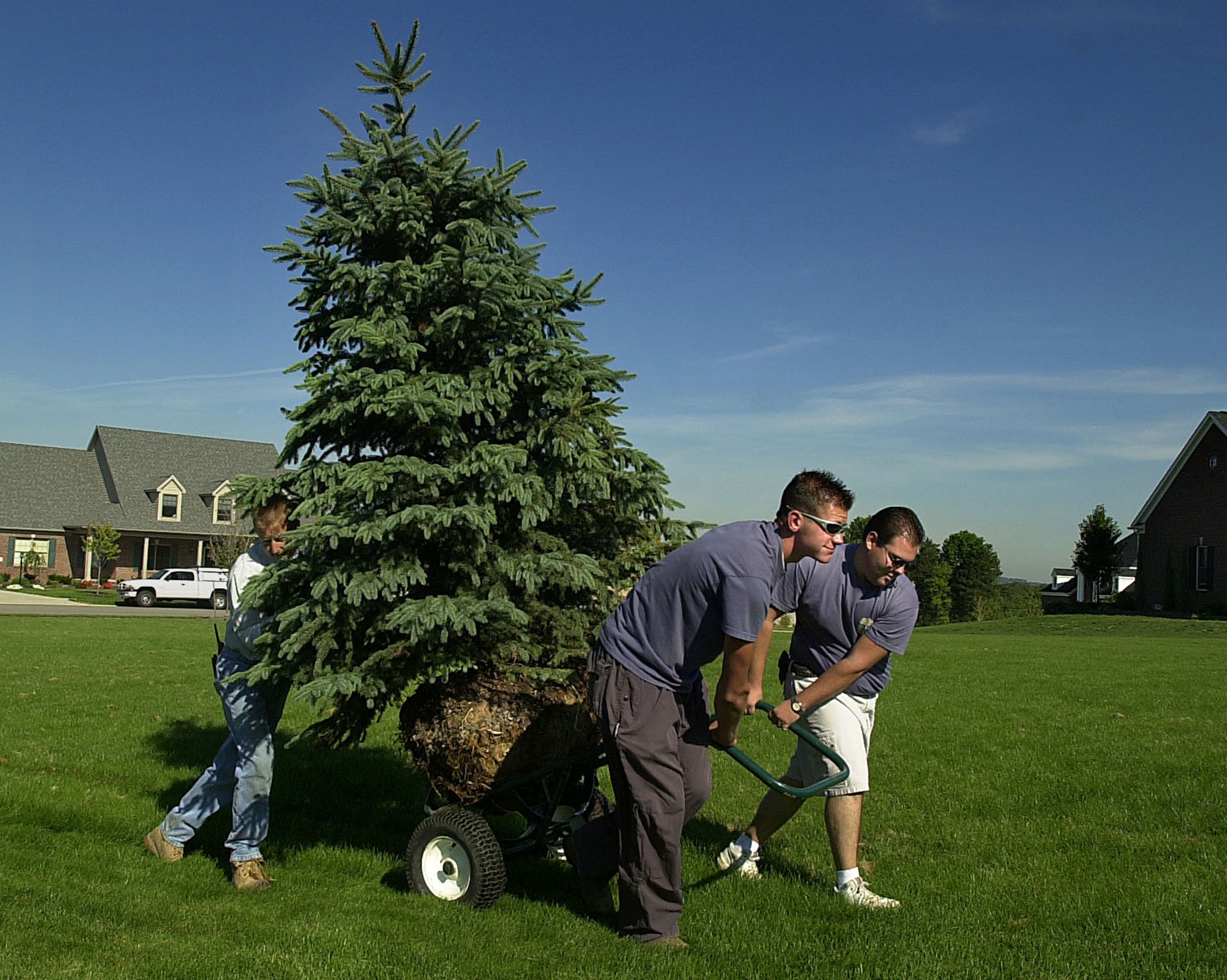
Blue spruces are beautifully chilly sights up north, but down here they’re probably going to look puny and pitiful – if they survive at all.
“We call Tennessee the ‘transition zone’… We can grow anything here – but not real good,” says Tom Stebbins, University of Tennessee extension agent for Hamilton County.
The U.S. Department of Agriculture has a Plant Hardiness Zone map that divides the U.S., including Alaska and Hawaii, into 12 different zones based on an average of the lowest winter temperatures each year. Find the zone that covers where you live then go to Google to find which plants will thrive in your zone.
Around here, the USDA map shows most of Southeast Tennessee as Zone 7b, with some areas of 7a. Zone 7b has average winter lows between 5-10 degrees, and 7a is zero to 5 degrees.
The Barn Nursery’s Donna Dent agrees with Stebbins when it comes to growing things around here – there’s not much that’s totally out of bounds.
“There are a few trees that we would not recommend,” she says. “There are some huge conifers [evergreens] that just need that cold weather.”
But you also must understand what you’re getting and not getting when you buy a plant here, she says. Something that’s a perennial in Florida should be seen as an annual here, she says. To that end, the Barn Nursery makes its own signage to let customers know exactly what they’re getting as far as annual vs. perennial, what the plants likes and how long it should live, she says.
And, armed with that knowledge, the Chattanooga area is great, even for perennials-as-annuals.
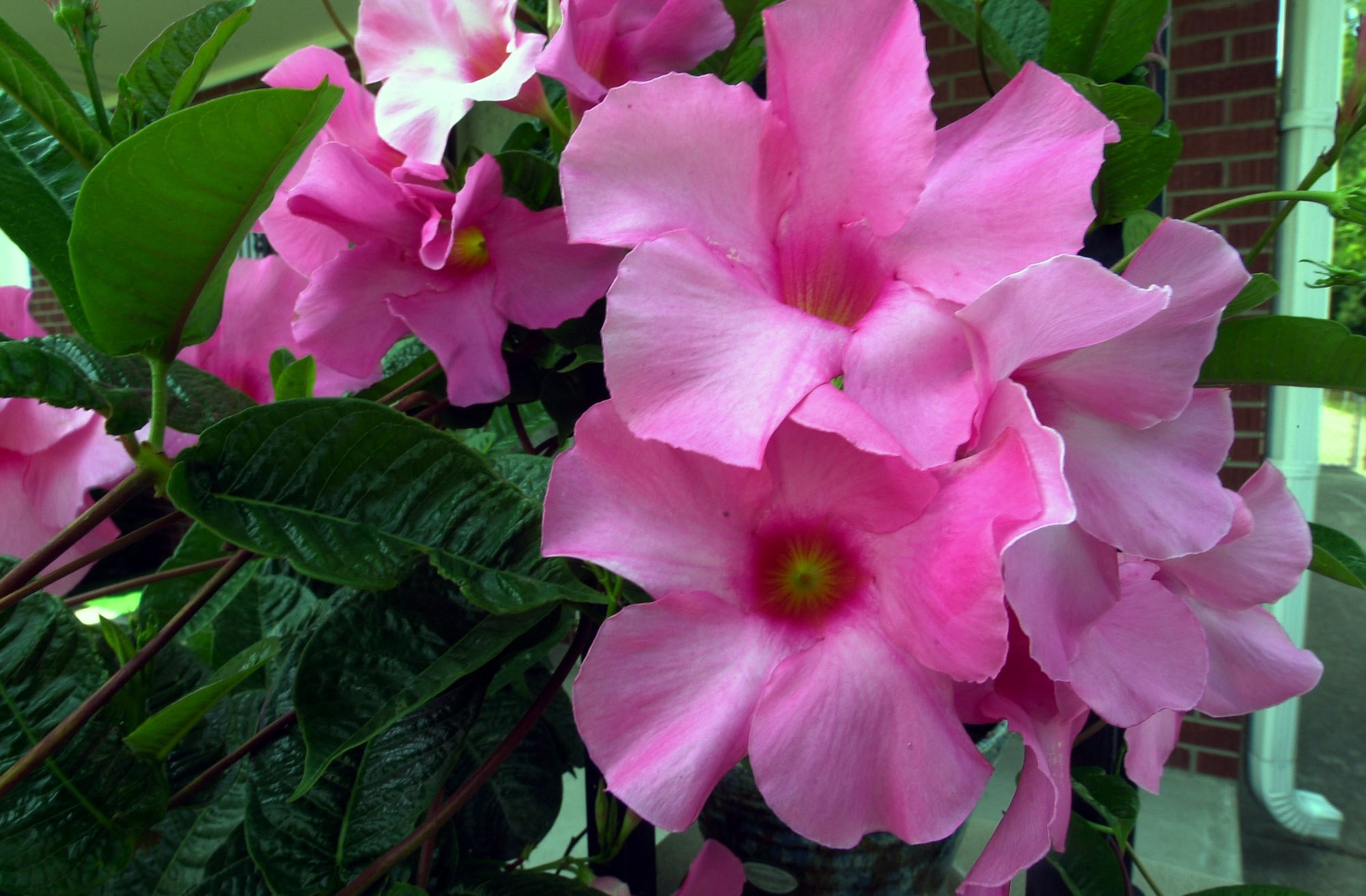
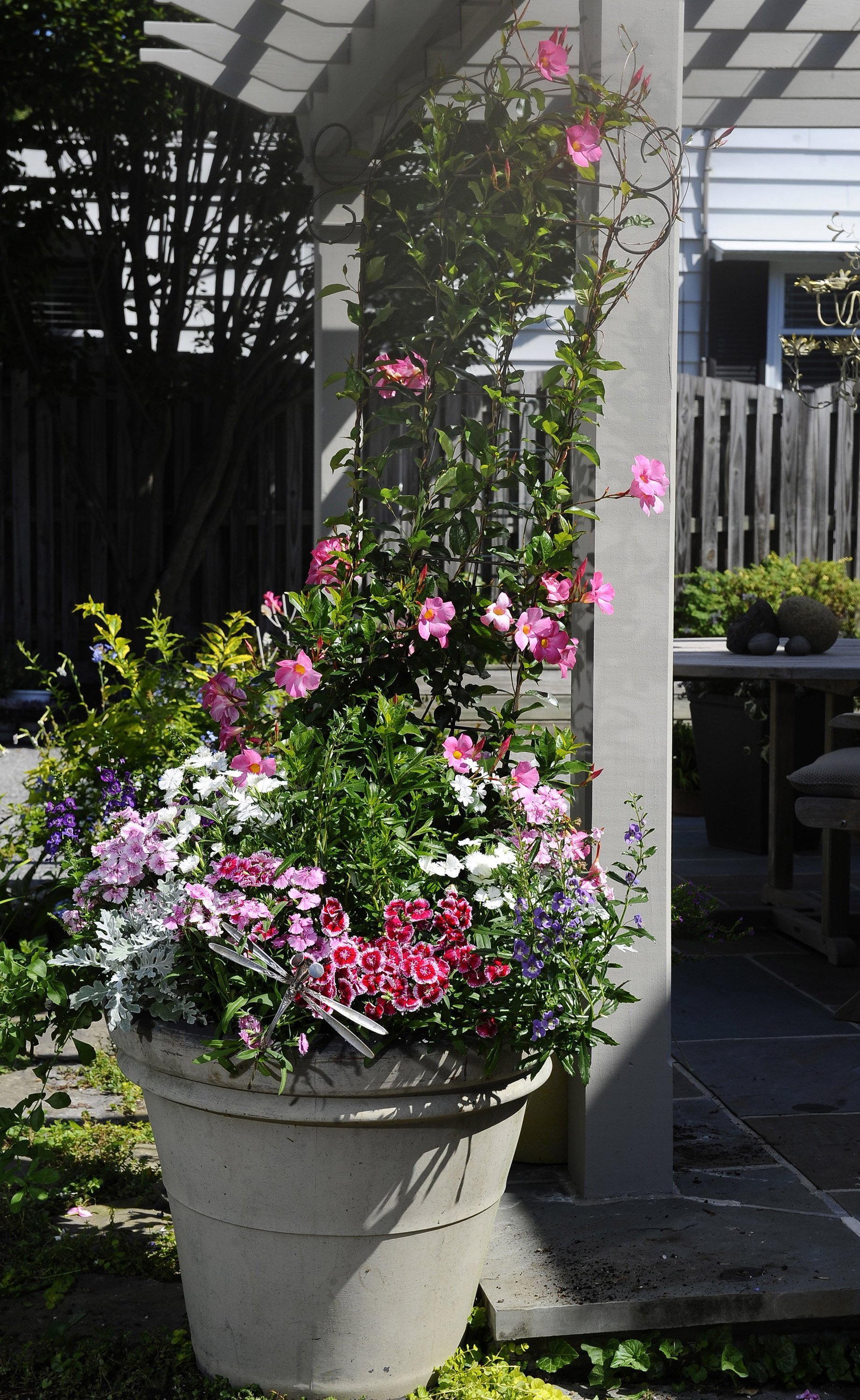
“If you see something in Florida, a mandevilla vine or super-cool tropical that you love, you can have it here because we have a huge growing season, April through October,” Dent says.
As the winter approaches, you can bring the perennial-elsewhere plants inside to keep them warm and alive during cold temps.
When thinking about plants that he wouldn’t recommend, Stebbins lists loropetalum, the shrub with purple blossoms that’s starting to bloom around Chattanooga.
“It’s doing great right now” and will continue to prosper in warm months, he acknowledges, but late freezes in spring and hard winters can knock it down.
Even crepe myrtles, which would seem to be one of the traditional Southern plants along with magnolias and dogwoods, isn’t really made for the Chattanooga area, Stebbins says.
“They’ve got cultivars now that would do a little bit better,” he says, but they’re actually made for Zones 8 and higher.
“Because of global warming and everything getting warmer, we get away with it because we just love them. But every 10 years or so, we get a late spring freeze and that will have an effect. The trunk is not very cold-hardy and will split. But that’s not a huge problem because a lot of people cut back crepe myrtles anyway.”
That practice is known as “crepe murder” by many plant people, and Stebbins says the extension office doesn’t think much of it.
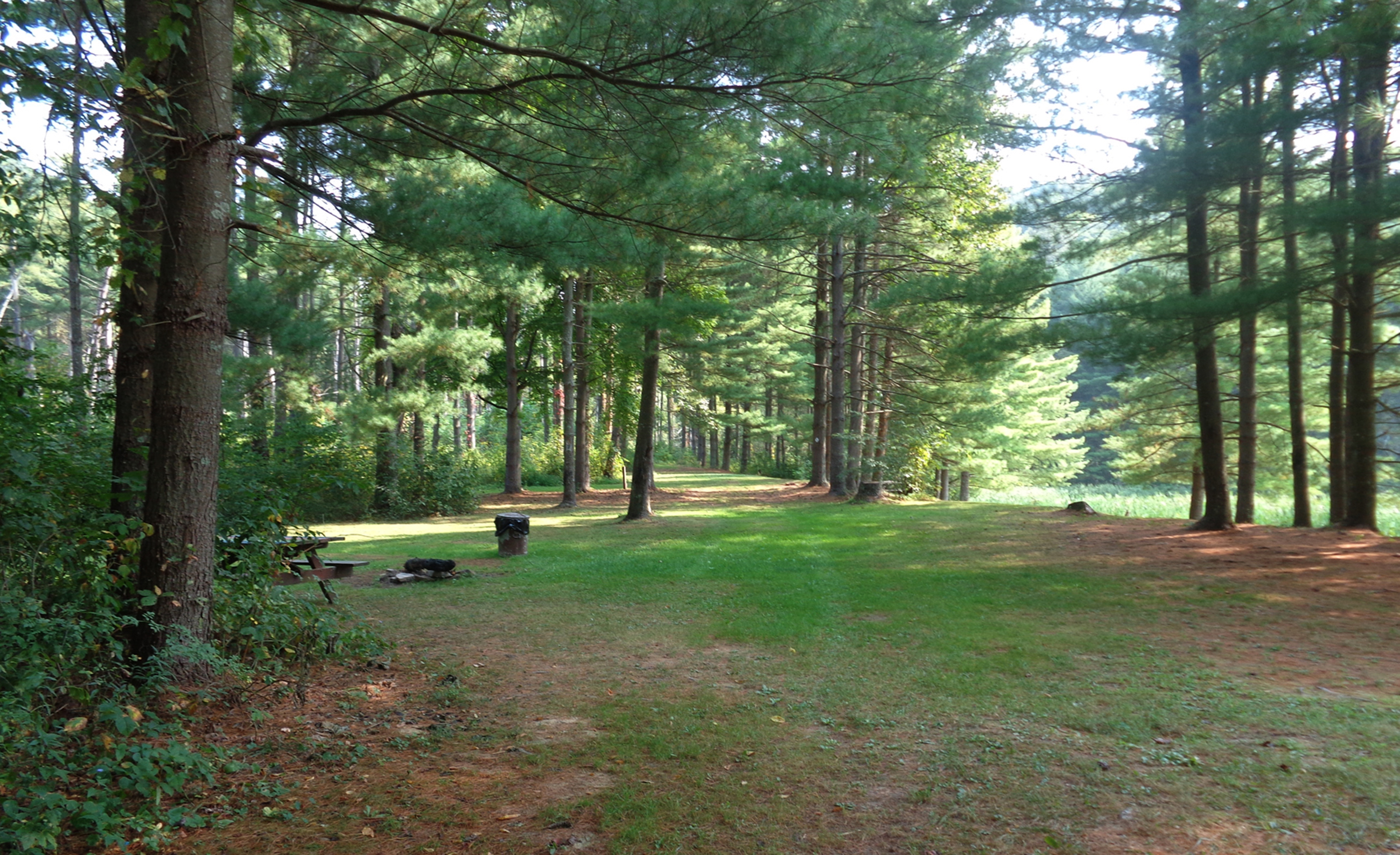
Echoing Dent, Stebbins says there are several conifers that aren’t made for Chattanooga. No. 1 on the list, he says, is white pine – and white pine is everywhere around here.
“That one likes Kentucky and north much better, but everybody wants to grow white pine,” he says.
Subdivision developers like it because it grows fast, makes a good windbreak and has a pleasant, uniform look, he says. Even soil conservation officials in Southern states hand it out for free, he notes.
But Zone 7 is at the very outer edge of its hardiness zone and that leads to problems. White pine is susceptible to fusiform rust, a fungus that weakens the trunks, making it a danger to break in heavy winds, according to the Clemson University Cooperative Extension office. Insects also enjoy its taste, especially the pine bark beetle, which loves white pines weakened by disease or drought, the office says.
Contact Shawn Ryan at sryan@timesfreepress.com or 423-757-6327.