
When Tab McNabb was a child, a painting of a sailboat hung on his grandfather’s wall. McNabb was mesmerized by the image – the perfect white sails; the wind-pocked sea; the boundless horizon.
“My grandfather always wanted to learn to sail. He said he wanted the wind to take him somewhere. That was one of his regrets: never learning,” McNabb says.
McNabb would not make the same mistake.
Born and raised in Jasper, Tennessee, McNabb learned to sail on the Tennessee River when he was 23. He got his captain’s license, bought a boat, and when he was 32 years old, he sailed from his hometown to Alabama, Louisiana and the Gulf of Mexico.
“Having summers off helped,” McNabb says regarding his many adventures.
In addition to becoming a captain, McNabb had become an English teacher and basketball coach at South Pittsburg High School just outside of Jasper. But summers weren’t enough to quench his wanderlust. He took a yearlong leave of absence in order to sail to the Gulf.
Every other year, he spent his summer working a job that brought together his two passions: education and the natural world. For instance, one summer, he worked as a sailing instructor on the Tennessee; another, he worked as a raft guide on the Ocoee.
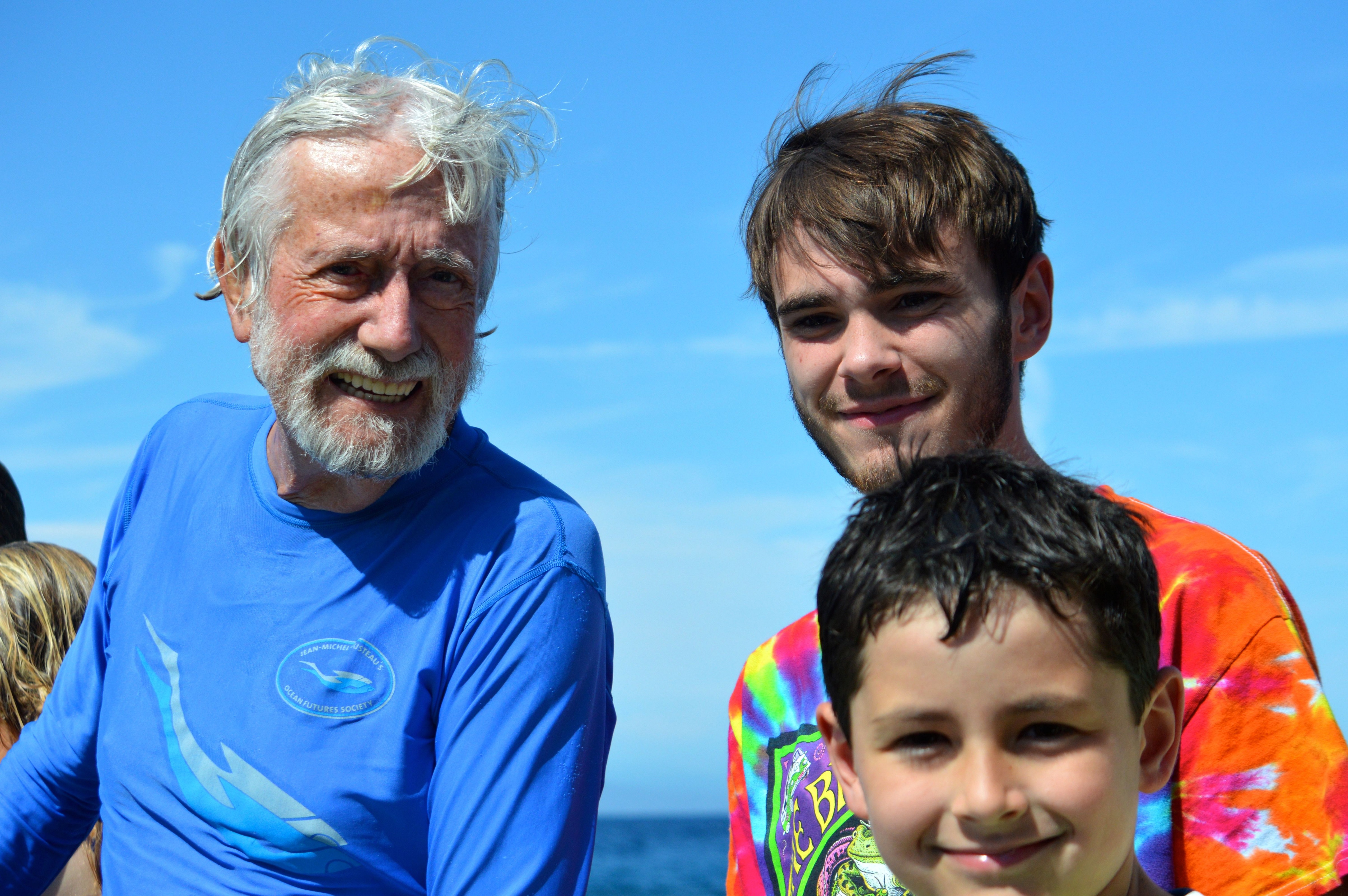
When McNabb was 27 he was hired as summer camp education director of the Catalina Environmental Leadership Program in Avalon, California, which was operated by Jean-Michel Cousteau, son of the famed ocean explorer and conservationist Jacques Cousteau.
It was around this same time that McNabb’s mother decided to retire as a travel agent – but first, she planned one last trip for her and her family: a cruise to Ketchikan, Alaska.
McNabb had never been to Alaska before.
“It was like going back in time. You look at black-and-white pictures from the 1800s and it still looks the same,” he says.
McNabb remembers walking down Creek Street with his family, a historic street that is actually a boardwalk. On one side is Ketchikan Creek; on the other is a row shops. Surrounding the small town is a seemingly endless sea of spruce-covered ridges.
“I think I decided right then I was going to find a way to spend a substantial amount of time there,” McNabb says.
The next summer, he returned to Ketchikan to work as a seasonal fishing guide. But the company that wanted to hire him had a policy: First-year guides had to sign a five-month contract – meaning McNabb would miss part of the school year.
So he went to the school board and made a proposal: If granted that additional time off, he would develop an in-depth Alaskan curriculum for his students back home.
“Alaska feels like such a faraway place. Folks have this image of Eskimos and igloos, but it’s a lot more than that,” McNabb says.
The school board said yes.
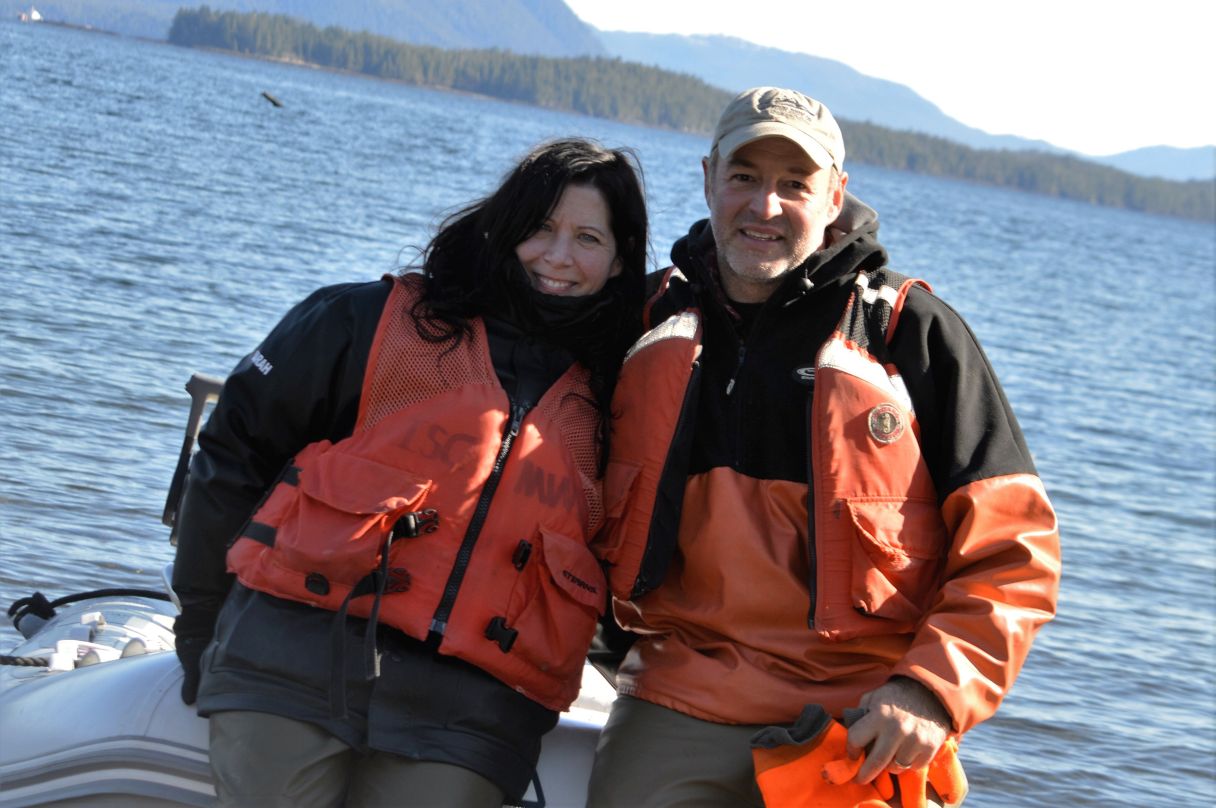
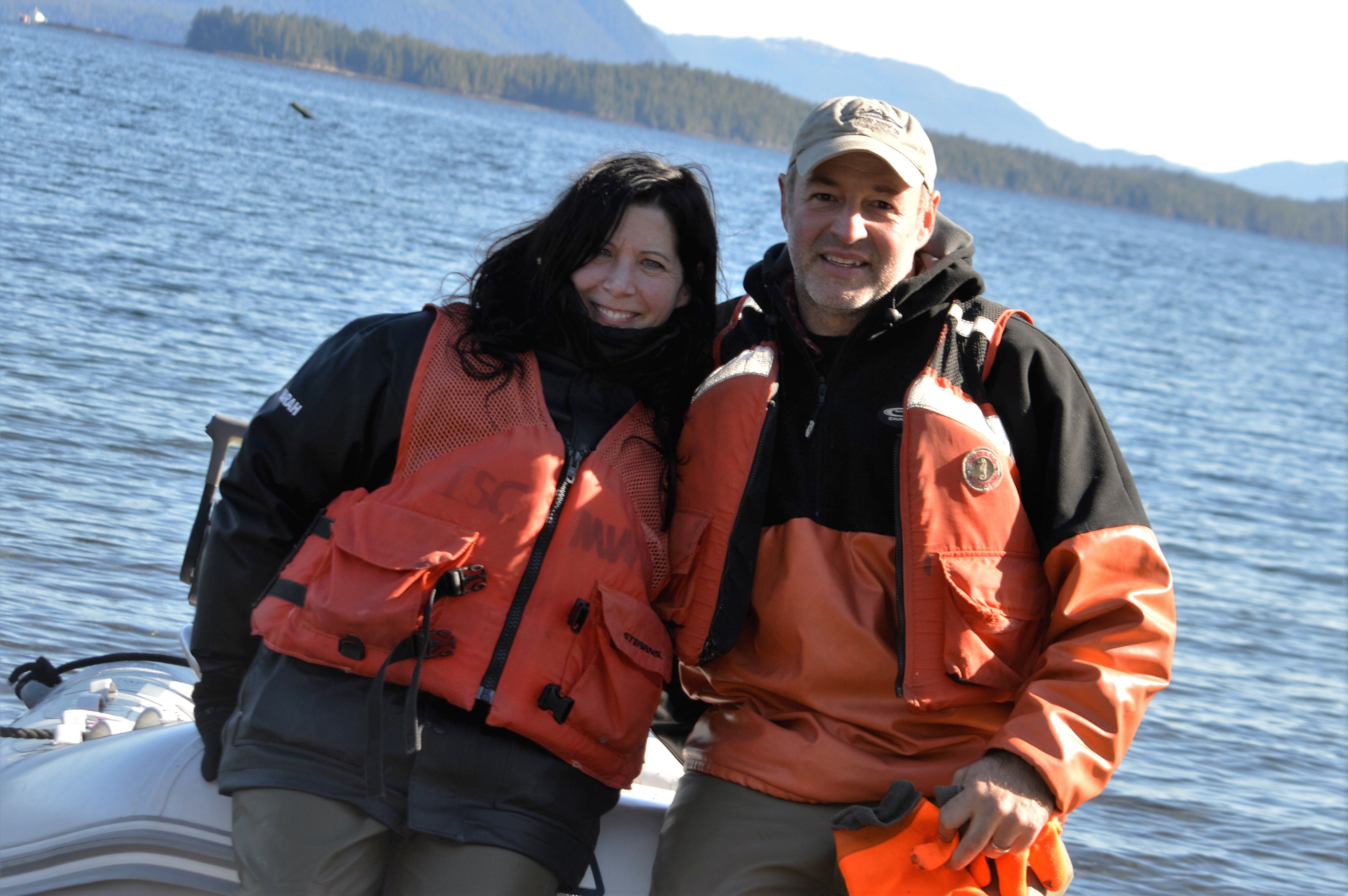
McNabb returned to Ketchikan every summer. Eventually he met Sarah, a local woman and fellow adventurer who had previously worked as a wilderness guide, taking tourists to view grizzly bears in the backcountry. The two fell in love, got married and had a son, Hatch, who is now 9 years old.
Today, the McNabbs still divide their time between Alaska and Tennessee, though McNabb retired as a high school teacher in 2004. The family resides in Ketchikan from March until September, and then they return to Jasper where they keep a small farm.
Hatch attends school both at Jasper Elementary in Tennessee and Fawn Mountain Elementary in Alaska.
“Of course he misses his friends when he leaves one place, but then he loves to see all his other friends in the other place,” McNabb says.
During the summers, Hatch helps his parents with their business, Ketchikan Outdoors, which the couple started in 2006.
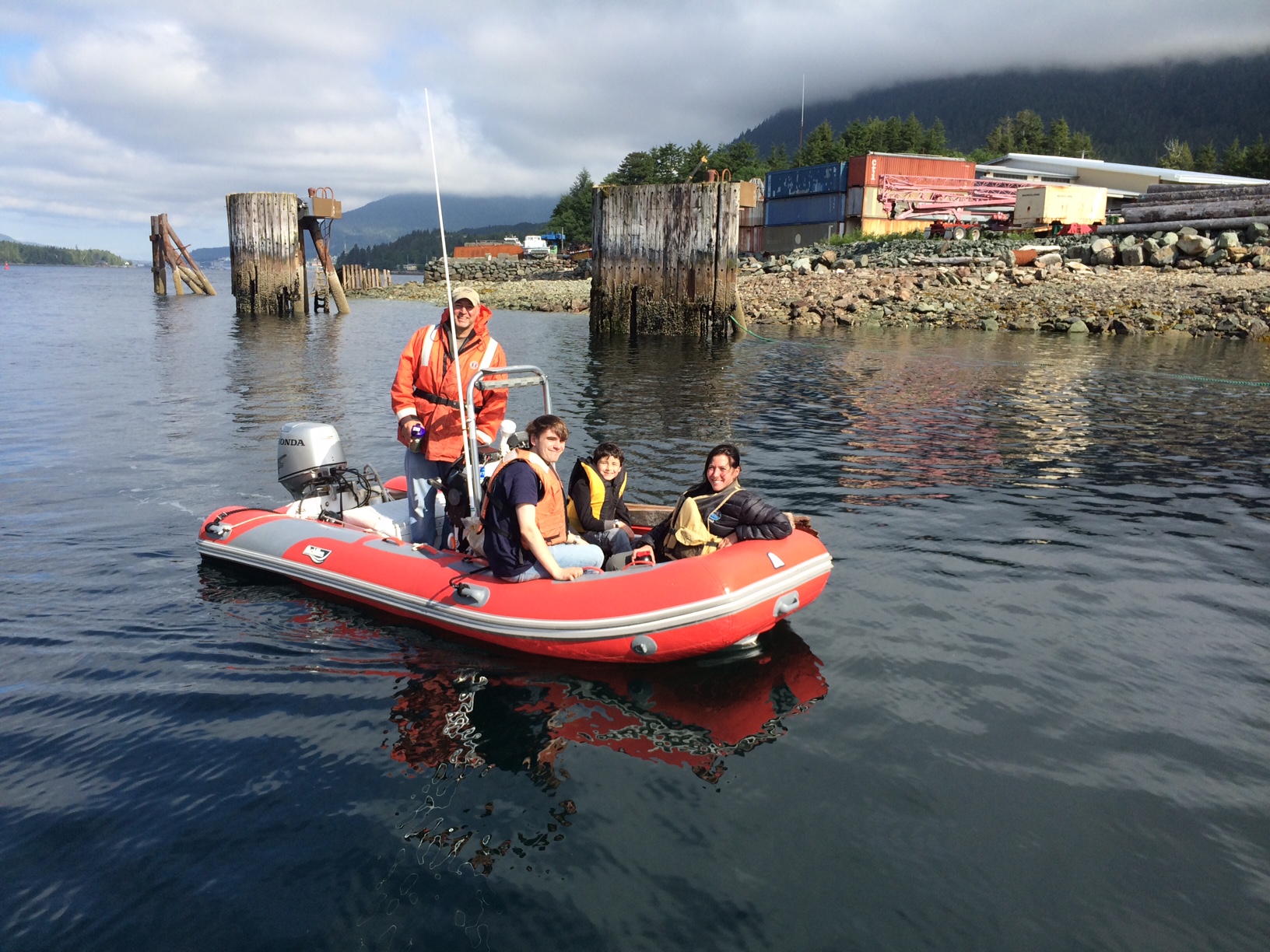
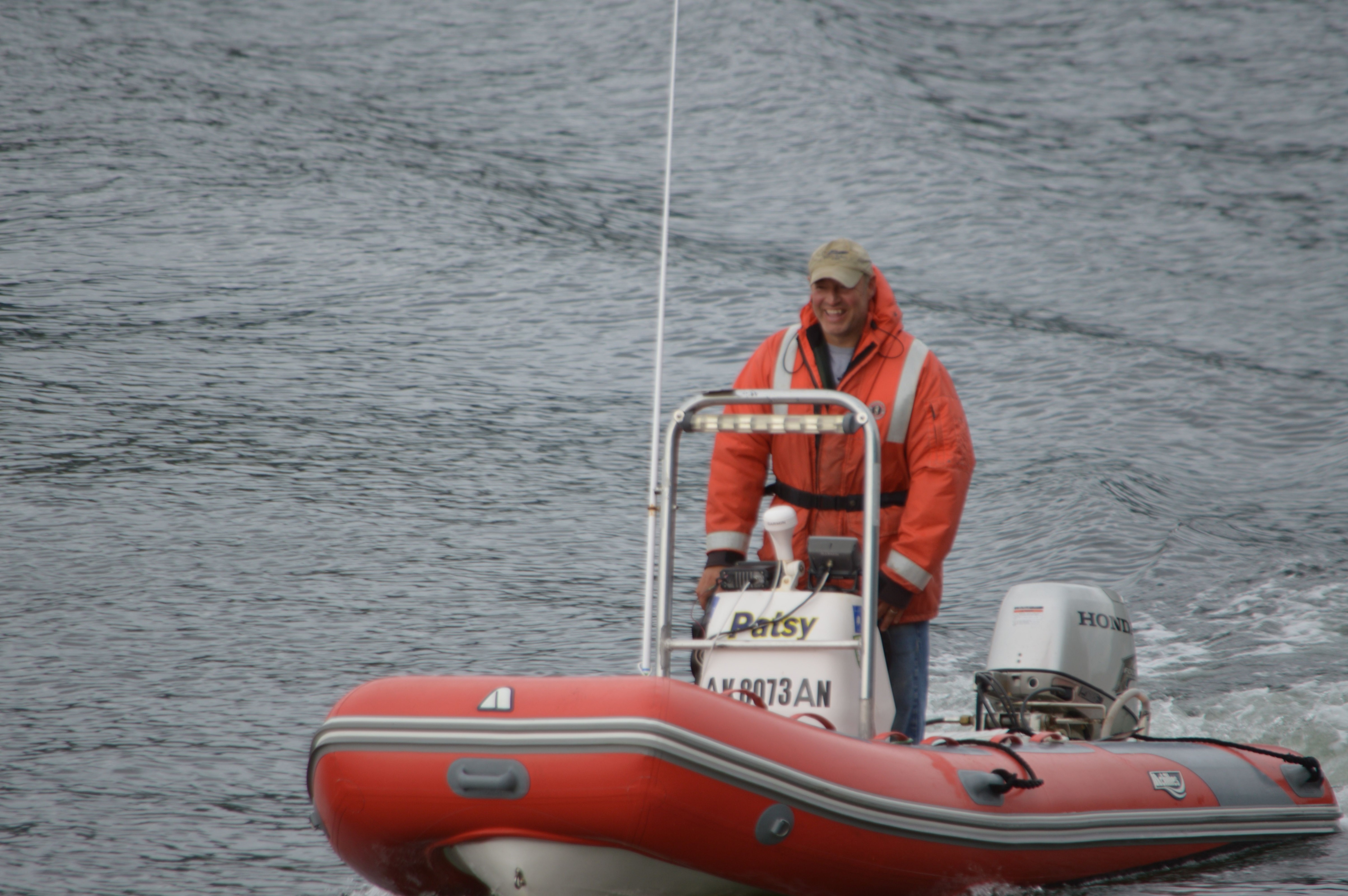
The family business offers two wilderness experiences: Rainforest Family Adventure, an ATV tour of the surrounding temperate rainforests, and Backcountry Zodiac Expedition, a boat tour of Alaska’s rugged coast that allows tourists to drive their own 14-foot inflatable powerboat while following a guide.
“The water there is tricky,” McNabb says. Alaskan waters are known to have the highest tides in the United States. “People are afraid to be out there on their own. That gave birth to the idea [for Ketchikan Outdoors].”
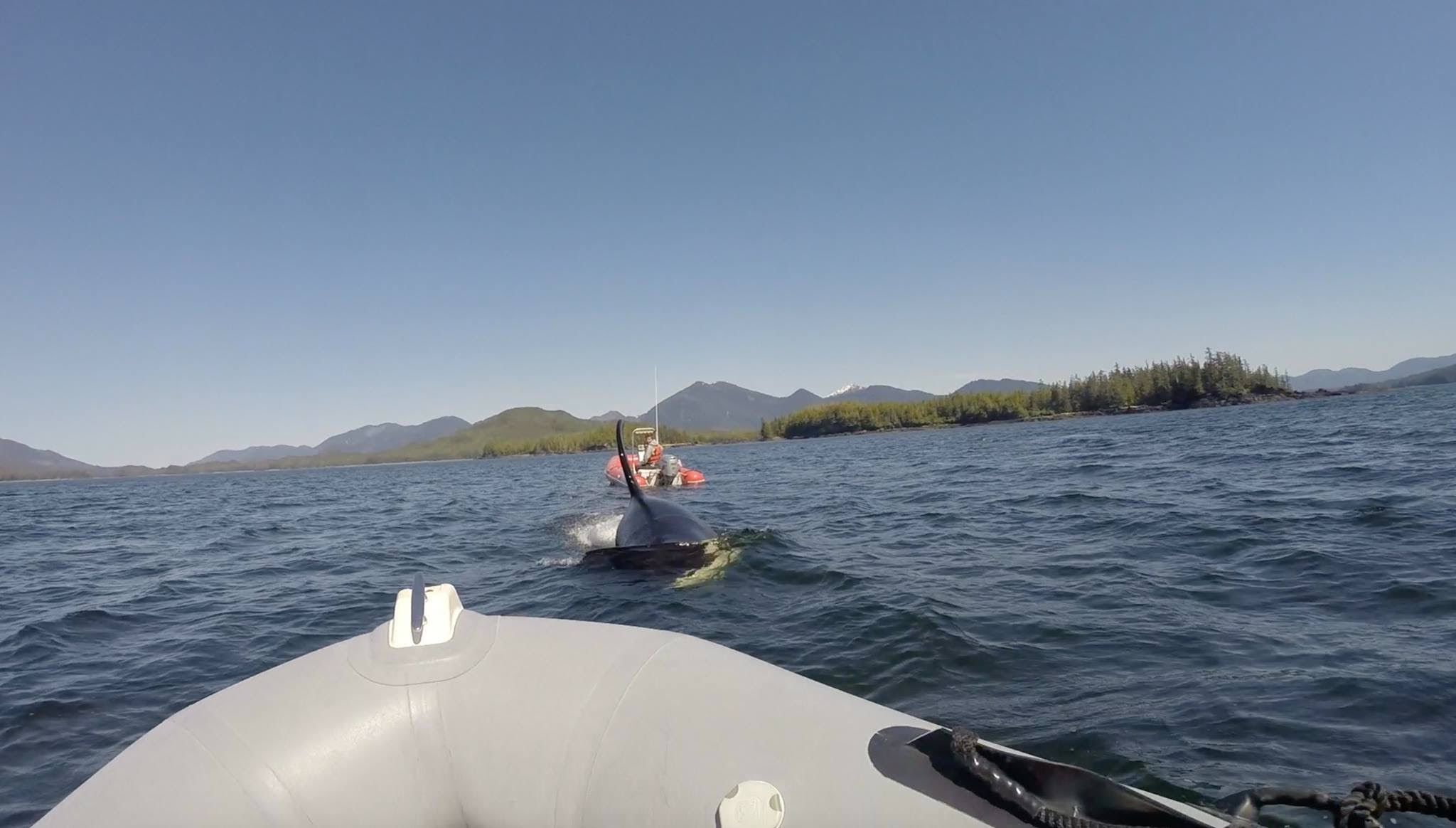
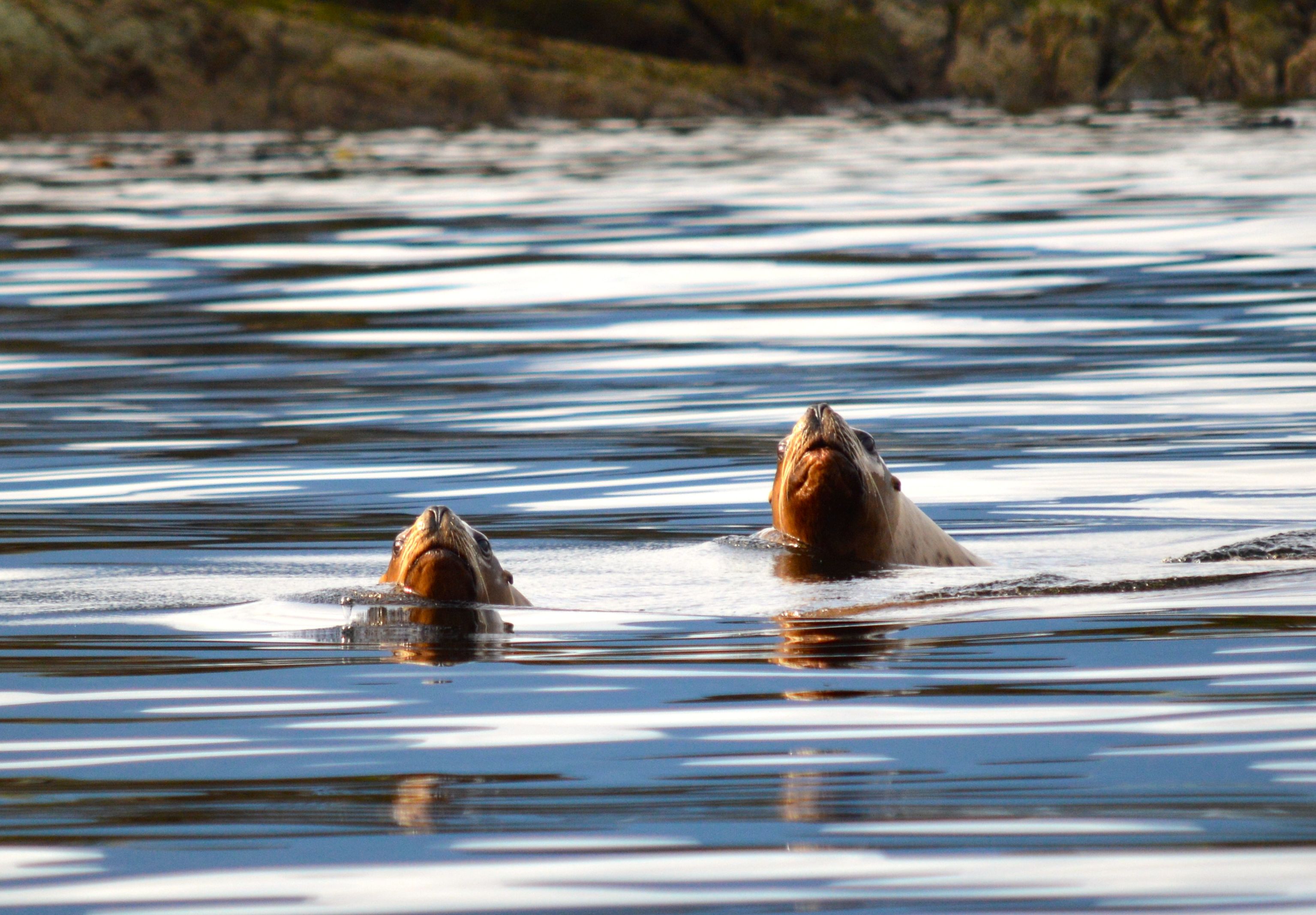
The tours also include wildlife-spotters, who might point out eagles, bears, sea lions or whales.
“No matter how many times I see a whale, I still get excited,” says McNabb, who believes that nature is essential to the human experience. “Sometimes they come right up to the boat and blow. You can smell their breath, and it is a terrible smell, but you love it.”
While he traded brick-and-mortar for the biggest classroom of all, there is still some “teacher” to his tourism business. He hopes the tourists he works with go home with a greater respect for the wild.
“The Cousteaus taught me that if you want your students to get the message, first, you have to wow them,” McNabb says.