
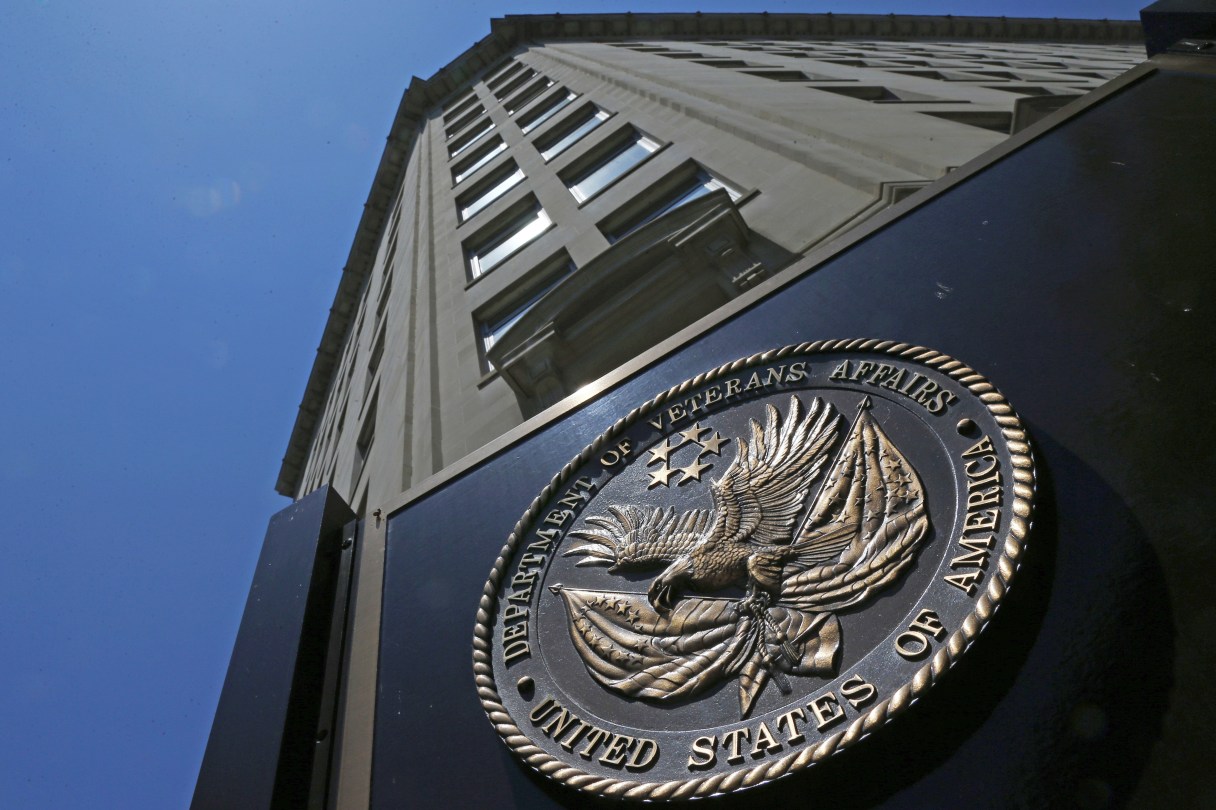
WASHINGTON (AP) – Veterans health care remains a “high risk” issue threatening the federal budget and quality of care for former service members, auditors say in a forthcoming report.
The nonpartisan Government Accountability Office will place the Veteran Affairs Department’s health system once again on its “high risk” list when it’s released next month. Issued every two years, the list identifies troubled federal programs that could cause significant problems due to waste, fraud, mismanagement or structural flaws.
The draft report finds that the VA has made only limited progress since a scandal erupted over lengthy wait-times for veterans, Sen. Jon Tester, the top Democrat on the Senate Veterans Affairs Committee, told The Associated Press. In particular, auditors have pointed to the department’s slow pace in improving access to medical care as well as a need for better implementation of a “Choice Program,” authorized by Congress in 2015 to make it easier for veterans to get private care.
Government auditors also have cited continuing budget risks due to rising demand for veterans health care as a result of the Iraq and Afghanistan wars. The GAO, which previously found that schedulers were still manipulating wait times, notes in its upcoming report persistent problems with ambiguous VA policies and inadequate oversight.
Responding, the VA insisted that it had made steady progress and noted that it is difficult for most agencies to shed the GAO’s “high-risk” rating in fewer than four years. Its health system is responsible for 9 million military veterans and includes more than 1,700 medical facilities.