
Thursday, October 29, 2026Oct 29

This story is free to read.

Doing the wave: A primer on immigration in America

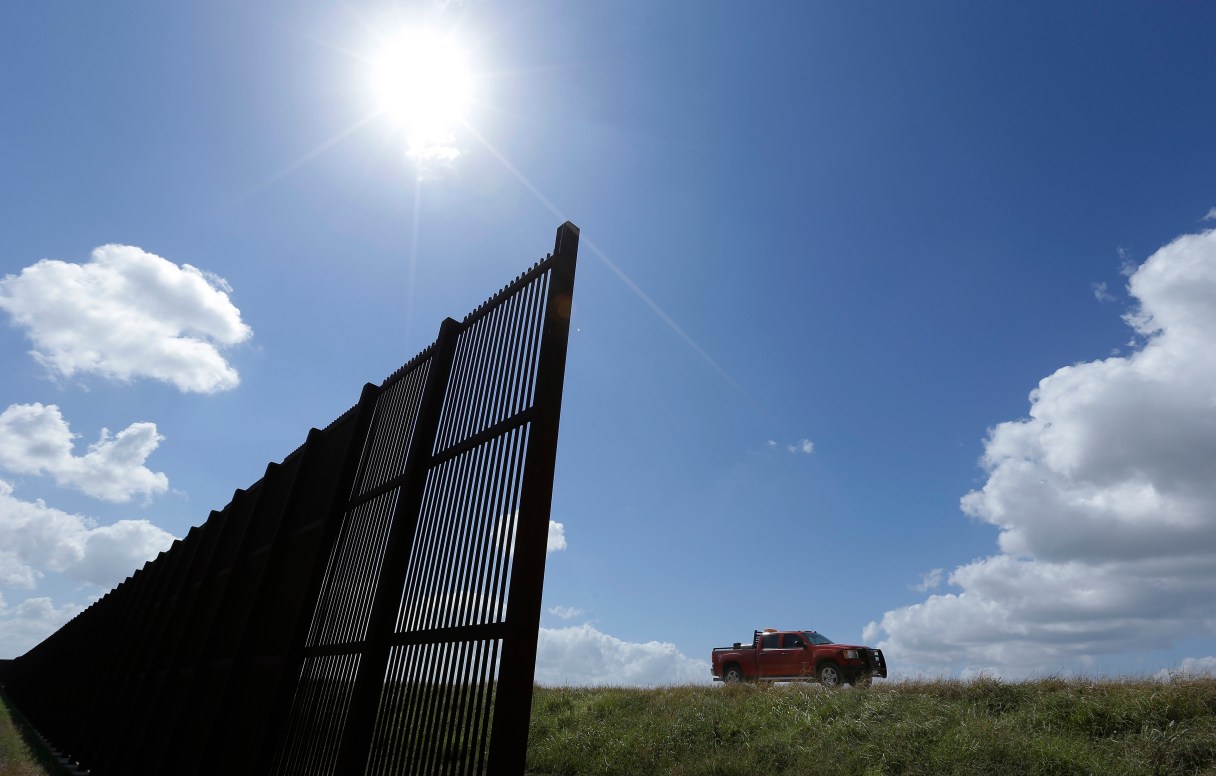
FILE - In this Sept. 6, 2012, file photo, cotton farmer Teofilo "Junior" Flores drives his truck along the U.S.-Mexico border fence that passes through his property in Brownsville, Texas. President Donald Trump’s vow to accelerate construction of a “contiguous, physical wall” along the Mexican border is slamming into a Washington reality _ who’s going to pay for it and how? (AP Photo/Eric Gay, File)
FILE - In this Sept. 6, 2012, file photo, cotton farmer Teofilo "Junior" Flores drives his truck along the U.S.-Mexico border fence that passes through his property in Brownsville, Texas. President Donald Trump’s vow to accelerate construction of a “contiguous, physical wall” along the Mexican border is slamming into a Washington reality _ who’s going to pay for it and how? (AP Photo/Eric Gay, File) FILE - In this Sept. 6, 2012, file photo, cotton farmer Teofilo "Junior" Flores drives his truck along the U.S.-Mexico border fence that passes through his property in Brownsville, Texas. President Donald Trump’s vow to accelerate construction of a “contiguous, physical wall” along the Mexican border is slamming into a Washington reality _ who’s going to pay for it and how? (AP Photo/Eric Gay, File)

WASHINGTON (AP) – Immigration to the United States has come in swells and dips over the past two-plus centuries, driven by shifts in U.S. policy, the mood in the country and world events.

Labor shortages, racial tension, economic forces, religious prejudice and national security concerns all fit into the picture.

“Here we are, the United States, a nation of nations, with the iconic symbol of the Statue of Liberty, and yet we are still arguing about the peopling of America,” says American University historian Alan Kraut. “We are constantly in a tension between, on the one hand, a desire to be altruistic and the desire to serve our national interests.”

In the modern era, the foreign-born share of the U.S. population hit a low of 4.7 percent in 1970. It’s now near historic highs, hitting 13.5 percent in 2015.

At times welcoming, at times restrictive, immigration laws have helped shape the complexion of an increasingly diverse nation.