
Monday, November 2, 2026Nov 2

This story is free to read.

Trump’s immigration order faces mounting legal questions

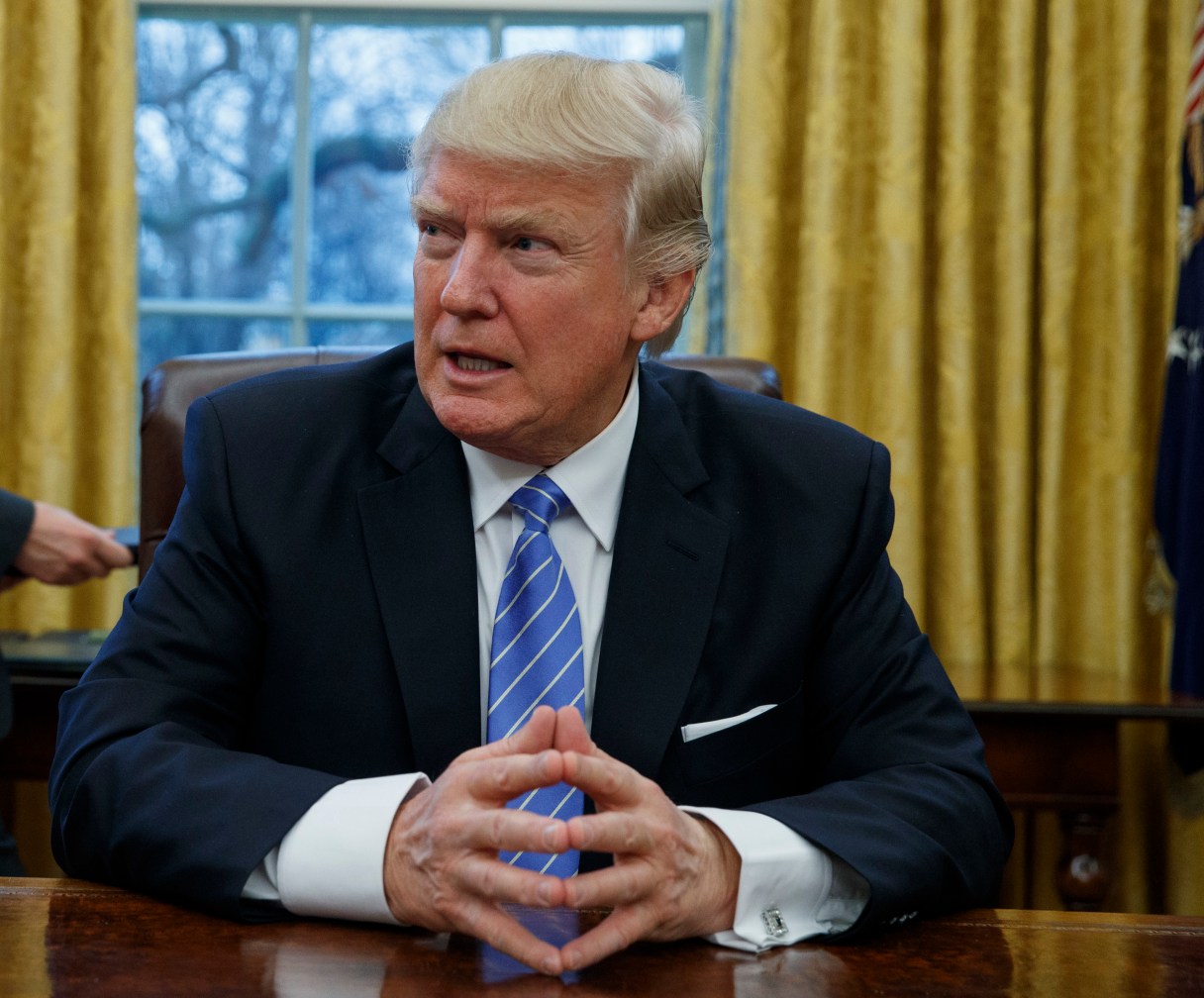
FILE - In this Jan. 23, 2017 file photo, President Donald Trump sits at his desk in the Oval Office of the White House in Washington. The legal fight over President Donald Trump’s refugee ban is likely to turn on whether the president has the authority to control access to America’s borders and whether targeting people from a particular region in the world violates the Constitution. (AP Photo/Evan Vucci, File)
FILE - In this Jan. 23, 2017 file photo, President Donald Trump sits at his desk in the Oval Office of the White House in Washington. The legal fight over President Donald Trump’s refugee ban is likely to turn on whether the president has the authority to control access to America’s borders and whether targeting people from a particular region in the world violates the Constitution. (AP Photo/Evan Vucci, File) FILE - In this Jan. 23, 2017 file photo, President Donald Trump sits at his desk in the Oval Office of the White House in Washington. The legal fight over President Donald Trump’s refugee ban is likely to turn on whether the president has the authority to control access to America’s borders and whether targeting people from a particular region in the world violates the Constitution. (AP Photo/Evan Vucci, File)

WASHINGTON (AP) – The legal fight over President Donald Trump’s ban on certain refugees is likely to turn on questions of a president’s authority to control America’s borders and whether this policy unconstitutionally discriminates against Muslims.

Civil liberties advocates immediately challenged the order, launching what is sure to be a long legal fight.

Trump issued the order Friday. It temporarily halts immigration from seven Muslim-majority nations and suspends the United States’ refugee program.

Legal experts are divided as to whether courts will find Trump’s action constitutional. The Council on American-Islamic Relations sued Monday, saying the order violates the First Amendment’s bar of preferential treatment for a religion, by appearing to favor Christian over Muslim refugees.

But federal law gives the president broad power to restrict entry, particularly for national security concerns.