
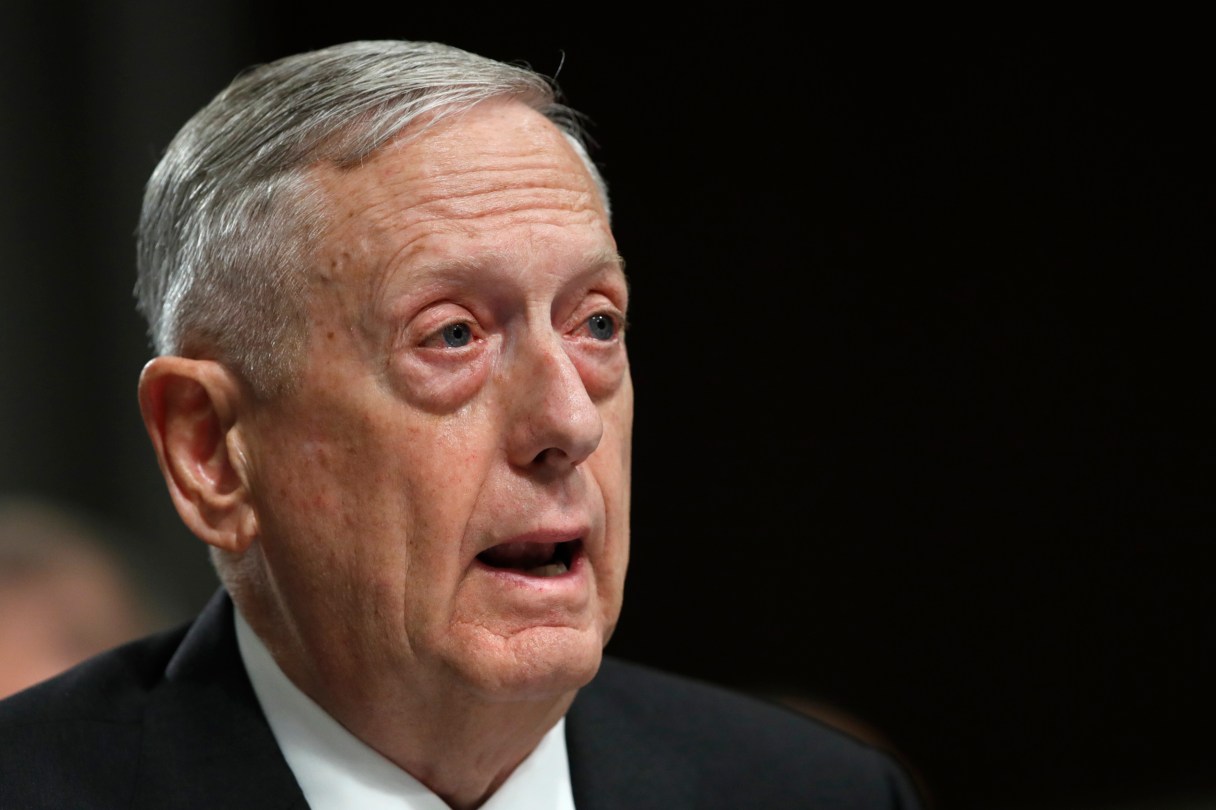
WASHINGTON (AP) – Defense Secretary Jim Mattis said Wednesday he can now set U.S. troop levels in Afghanistan after receiving the authority from President Donald Trump. It’s a break from past practice that Mattis said will enable him to more effectively manage the war effort.
In testimony before a Senate panel, Mattis said the decision does not mean U.S. troop levels will change immediately. While he is expected to add at least a few thousand troops soon, Mattis said he will act after further consultation with other government agencies and in line with Trump’s “strategic direction and his foreign policy.”
The U.S. now has about 8,400 troops in Afghanistan performing two main missions: hunting and attacking violent extremists, including an Islamic State-affiliated group in eastern Afghanistan; and supporting Afghan combat forces against the Taliban.
Trump has said very little about his intentions in Afghanistan. The administration has been reviewing its options, and Mattis told the Senate Appropriations defense subcommittee that the mission remains the same: to train, advise and assist Afghan forces so that they can defend their own country and “terrorists can find no haven” there.
Later, he said he could imagine the U.S. helping train Afghan security forces “years from now,” even after the country is stabilized.