
Wednesday, November 11, 2026Nov 11

New report blames South Sudan military for civilian deaths

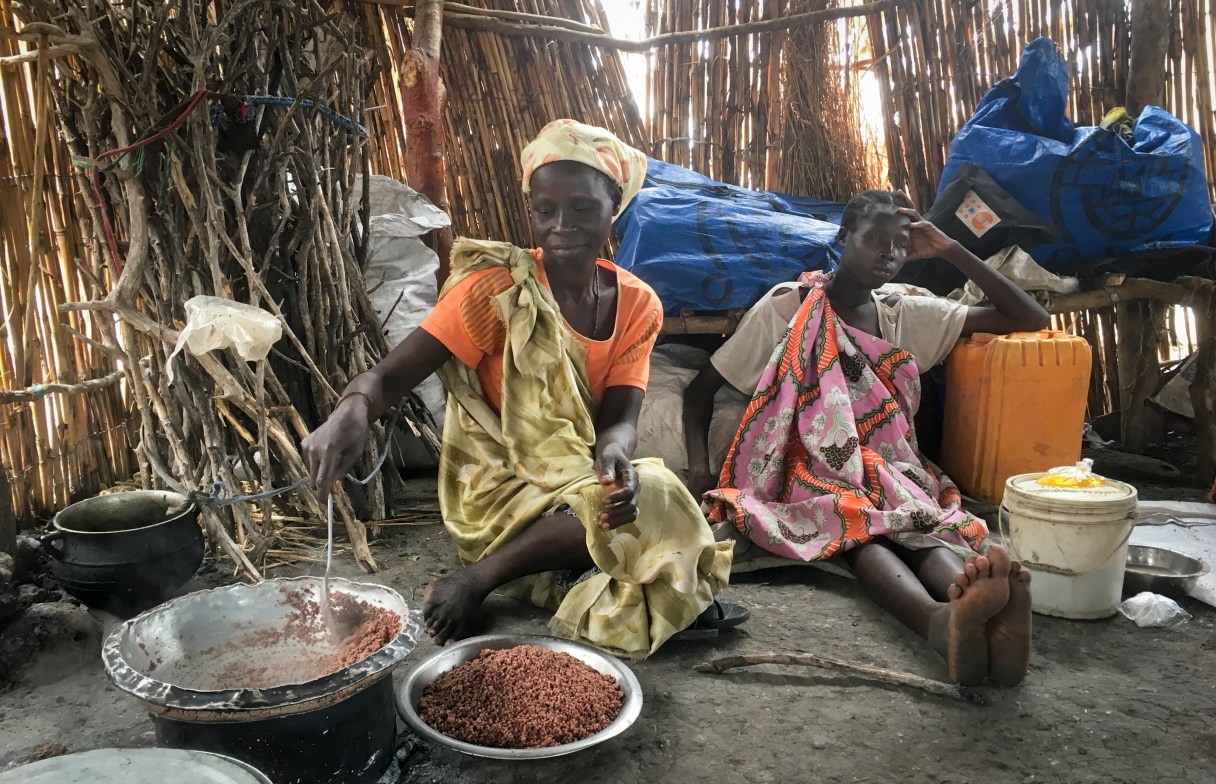
In this photo taken Monday, June 19, 2017, Elizabeth Adwok, left, an ethnic Shilluk who arrived with her seven children in April after having been forcefully displaced from her home three times since South Sudan's conflict began, cooks sorghum in her small hut in the village of Aburoc, South Sudan where she lives with other displaced people. A new report by Amnesty International says South Sudanese forces burned, shelled and ransacked homes between January and May, killing civilians and forcing thousands from the Shilluk ethnic minority to flee. (AP Photo/Sam Mednick)
In this photo taken Monday, June 19, 2017, Elizabeth Adwok, left, an ethnic Shilluk who arrived with her seven children in April after having been forcefully displaced from her home three times since South Sudan's conflict began, cooks sorghum in her small hut in the village of Aburoc, South Sudan where she lives with other displaced people. A new report by Amnesty International says South Sudanese forces burned, shelled and ransacked homes between January and May, killing civilians and forcing thousands from the Shilluk ethnic minority to flee. (AP Photo/Sam Mednick) In this photo taken Monday, June 19, 2017, Elizabeth Adwok, left, an ethnic Shilluk who arrived with her seven children in April after having been forcefully displaced from her home three times since South Sudan's conflict began, cooks sorghum in her small hut in the village of Aburoc, South Sudan where she lives with other displaced people. A new report by Amnesty International says South Sudanese forces burned, shelled and ransacked homes between January and May, killing civilians and forcing thousands from the Shilluk ethnic minority to flee. (AP Photo/Sam Mednick)

ABUROC, South Sudan (AP) – Albin Koolekheh watched his 4-year-old son die in his arms. He and his family were among tens of thousands of people who escaped a wave of fighting in South Sudan’s civil war, only to find themselves living in a filthy camp near the border with Sudan.

A new report by Amnesty International says South Sudanese forces burned, shelled and ransacked homes between January and May, killing civilians and forcing thousands like Koolekheh from the Shilluk ethnic minority to flee.

“Even considering South Sudan’s history of ethnic hostility,” the mass displacement was shocking, the report says.

As South Sudan faces its fourth year of civil war, the fighting shows no signs of ending. Both government and opposition forces have been accused of war crimes including mass rape and targeted killings, while the United Nations warns of ethnic violence. While the focus has been on ethnic tensions between the Dinka of President Salva Kiir and the Nuer of rebel leader Riek Machar, the new report highlights the threat to others caught in the crossfire.

When government troops attacked his hometown of Wau Shilluk in January, Koolekheh grabbed his wife and three children and left. After a day of walking through the bush, his youngest son fell sick. With no food or water, the boy died on the side of the road.