
Thursday, October 29, 2026Oct 29

This story is free to read.

Study links at-risk orcas’ failed pregnancies to scarce food

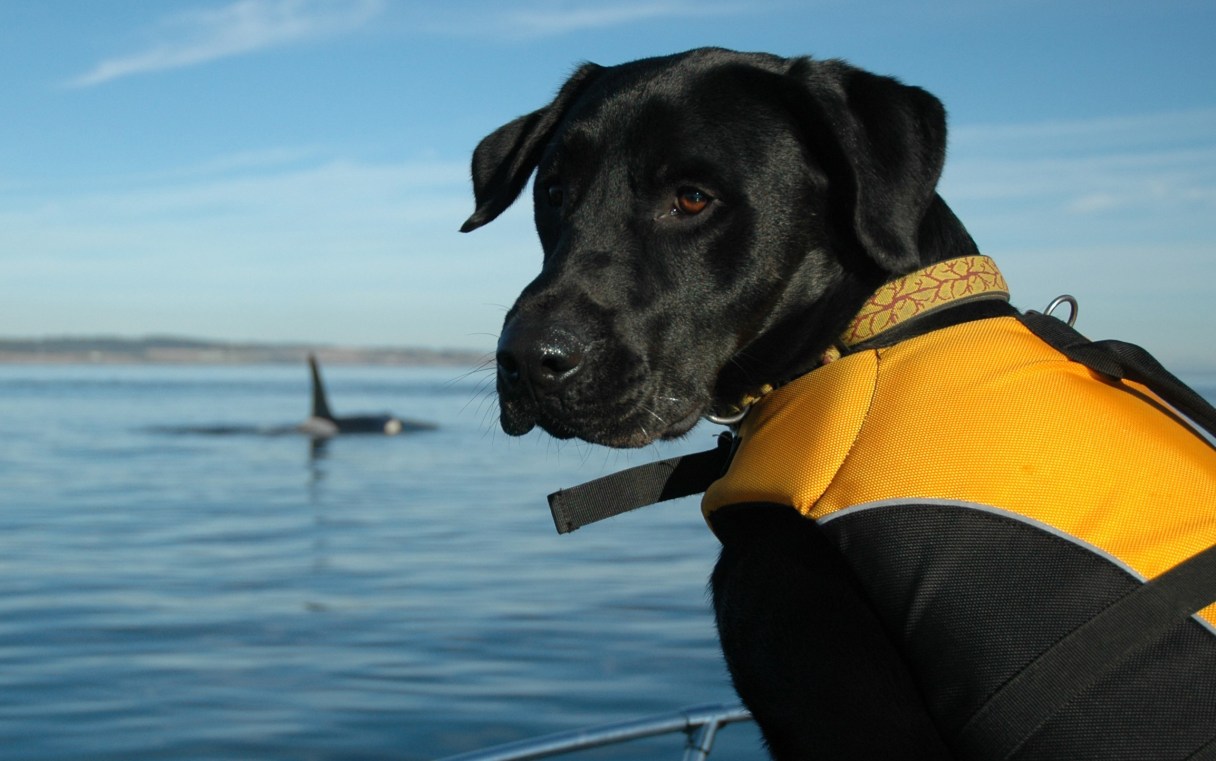
In this 2012 photo provided by the Center for Whale Research, a dog trained to sniff for orca scat sits on a boat in the Salish Sea in Washington state. A new study to be published Thursday, June 29, 2017, says that the small population of endangered Puget Sound orcas are having pregnancy problems due to stress from not getting enough salmon to eat. (Center for Whale Research via AP)
In this 2012 photo provided by the Center for Whale Research, a dog trained to sniff for orca scat sits on a boat in the Salish Sea in Washington state. A new study to be published Thursday, June 29, 2017, says that the small population of endangered Puget Sound orcas are having pregnancy problems due to stress from not getting enough salmon to eat. (Center for Whale Research via AP) In this 2012 photo provided by the Center for Whale Research, a dog trained to sniff for orca scat sits on a boat in the Salish Sea in Washington state. A new study to be published Thursday, June 29, 2017, says that the small population of endangered Puget Sound orcas are having pregnancy problems due to stress from not getting enough salmon to eat. (Center for Whale Research via AP)

SEATTLE (AP) – Endangered killer whales that frequent the inland waters of Washington state are having pregnancy problems because they cannot find enough fish to eat, according to a new study.

Researchers analyzed hormones in excrement collected at sea and found that more than two-thirds of orca pregnancies failed over a seven-year period. They linked those problems to nutritional stress brought on by a low supply of Chinook salmon, the whales’ preferred diet.

“A large number of whales are conceiving, but when nutrition is poor, they don’t sustain those pregnancies,” said Sam Wasser, lead author of the paper and a biology professor at the University of Washington.

Southern resident killer whales along the U.S. West Coast have struggled since they were listed as endangered species in 2005. They now number just 78, down from a high of 140 decades ago. The whales face threats from a lack of food, pollution and boats.

The new study, to be published Thursday in the journal PLOS ONE, zeroes in on food supply as an important stress factor among these fish-eating whales. Unlike other killer whales that eat marine mammals, the orcas that spend the summer in Puget Sound primarily eat salmon, mostly Chinook.