
Wednesday, November 11, 2026Nov 11

As South Sudan refugee flood continues, so do tales of abuse

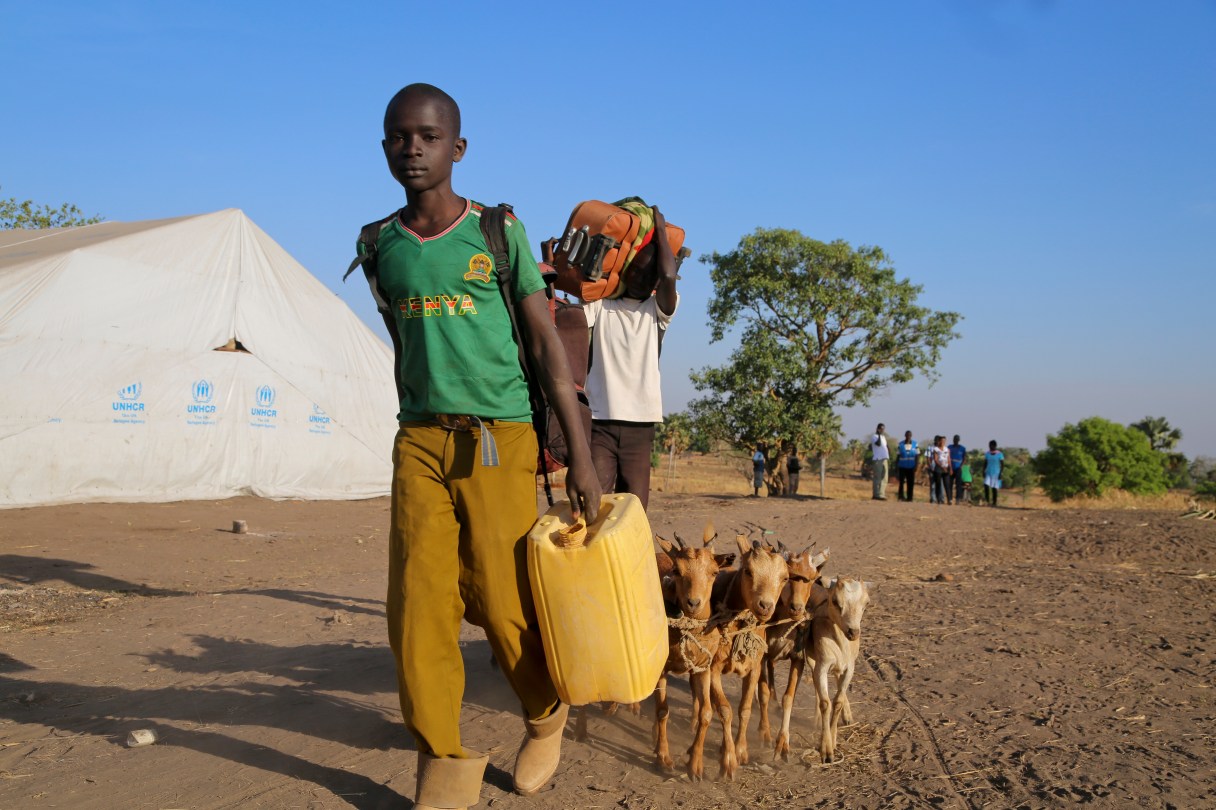
In this photo taken Thursday, Feb. 16, 2017, two South Sudanese refugee boys carrying their belongings arrive at a refugee collection center in Palorinya, Uganda. More than 100,000 people have fled a single county in South Sudan in just three months as civil war continues amid warnings of genocide, and the surge of more than half a million South Sudanese refugees into Uganda since July has created Africa's largest refugee crisis. (AP Photo/Justin Lynch)
In this photo taken Thursday, Feb. 16, 2017, two South Sudanese refugee boys carrying their belongings arrive at a refugee collection center in Palorinya, Uganda. More than 100,000 people have fled a single county in South Sudan in just three months as civil war continues amid warnings of genocide, and the surge of more than half a million South Sudanese refugees into Uganda since July has created Africa's largest refugee crisis. (AP Photo/Justin Lynch) In this photo taken Thursday, Feb. 16, 2017, two South Sudanese refugee boys carrying their belongings arrive at a refugee collection center in Palorinya, Uganda. More than 100,000 people have fled a single county in South Sudan in just three months as civil war continues amid warnings of genocide, and the surge of more than half a million South Sudanese refugees into Uganda since July has created Africa's largest refugee crisis. (AP Photo/Justin Lynch)

PALORINYA, Uganda (AP) – In the bushland of northern Uganda, a recently arrived refugee from South Sudan describes how soldiers back home detained and tortured him for two months for reading an article online.

Tall and thin as a reed, dirt coating his tattered T-shirt and jeans, the young man is one of more than 100,000 people who have fled a single South Sudan county in just three months as civil war continues amid warnings of genocide. The surge of more than half a million South Sudan refugees into Uganda since July is Africa’s largest refugee crisis.

Like others who huddle in rapidly growing refugee camps in Uganda, the man spoke on condition of anonymity because of fears of retaliation and the possibility that South Sudanese intelligence agents circulated among them.

When they arrive after walking across the border, the refugees from Kajo-Keji county “report killings of civilians, sexual violence and fears of arrest and abduction as their main reasons for fleeing,” United Nations spokesman Stephane Dujarric told reporters recently.

Interviews with people from Kajo-Keji now living in the Palorinya refugee camp, and U.N. documents obtained by The Associated Press, describe multiple human rights violations committed by South Sudanese soldiers against civilians.