
Tuesday, November 10, 2026Nov 10

Europe’s trend: Austria, once open, now shows migrants door

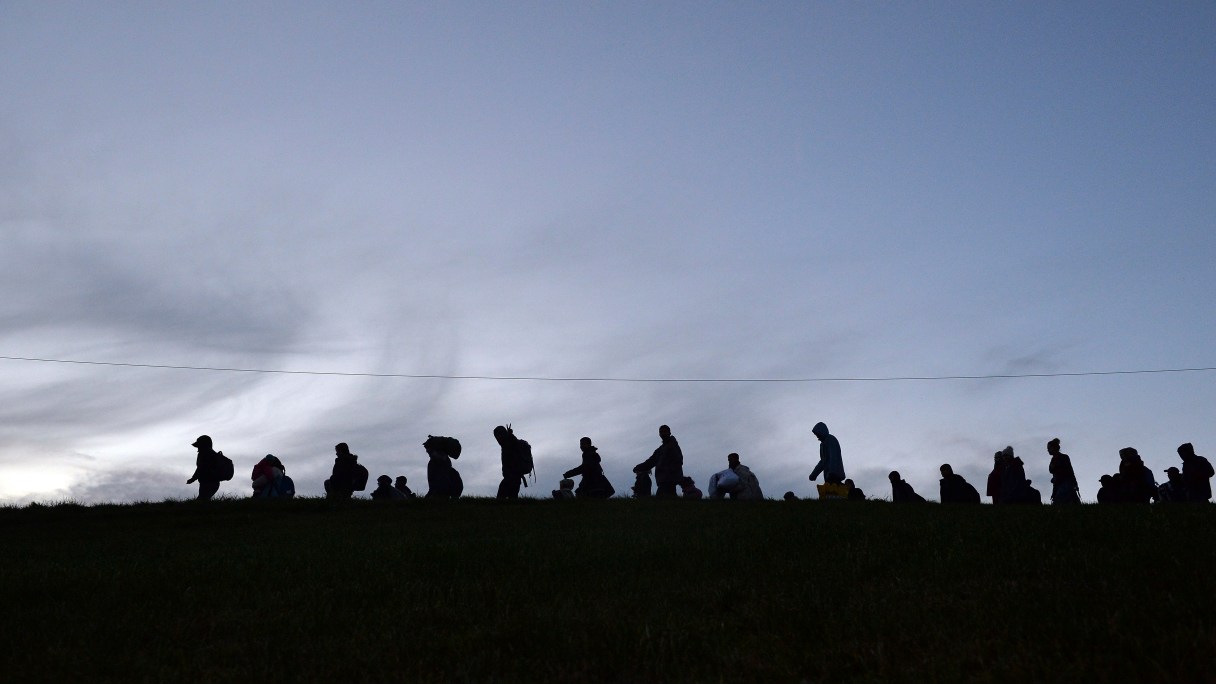
FILE - In this Oct. 28, 2015 file photo German federal police officers guide a group of migrants on their way after crossing the border between Austria and Germany in Wegscheid near Passau, Germany. German newspaper 'Welt am Sonntag' reports that the government planned to close the border with Austria and turn back asylum-seekers in September 2015, but nixed the plan at the last minute., the paper reported Sunday March 5, 2017.  The interior ministry said in a statement it could “neither confirm nor deny” the report.   (AP Photo/Kerstin Joensson,file)
FILE - In this Oct. 28, 2015 file photo German federal police officers guide a group of migrants on their way after crossing the border between Austria and Germany in Wegscheid near Passau, Germany. German newspaper 'Welt am Sonntag' reports that the government planned to close the border with Austria and turn back asylum-seekers in September 2015, but nixed the plan at the last minute., the paper reported Sunday March 5, 2017. The interior ministry said in a statement it could “neither confirm nor deny” the report. (AP Photo/Kerstin Joensson,file) FILE - In this Oct. 28, 2015 file photo German federal police officers guide a group of migrants on their way after crossing the border between Austria and Germany in Wegscheid near Passau, Germany. German newspaper 'Welt am Sonntag' reports that the government planned to close the border with Austria and turn back asylum-seekers in September 2015, but nixed the plan at the last minute., the paper reported Sunday March 5, 2017. The interior ministry said in a statement it could “neither confirm nor deny” the report. (AP Photo/Kerstin Joensson,file)

VIENNA (AP) – Austria was among the first countries in Europe to put out the welcome mat when waves of people fleeing war and poverty reached the continent. Now, its focus is showing them the door.

Parliament is set to pass a law stripping pocket money, food and shelter from those denied asylum, potentially leaving them on the street. The interior minister proudly touts figures showing Austria as the European Union’s per-capita leader in expelling those rejected.

Austrian courts are toughening up too. On Thursday, eight Iraqi men were sent to prison for up to 13 years for the gang rape of a German woman on New Year’s Eve more than a year ago.

Lawyer Andreas Reichenbach, who defended one of the men, said the stiff sentences were a signal to migrants that “when they come to Austria, that such behavior won’t be tolerated.”

In Germany, where during the height of the influx Chancellor Angela Merkel insisted “we will manage,” the government now considers some areas of Afghanistan “safe,” and has started returning failed asylum-seekers to those regions. Additional tough measures have followed Berlin’s deadly Christmas market attack by rejected Tunisian asylum-seeker Anis Amri and gains by the nationalist Alternative for Germany party.