
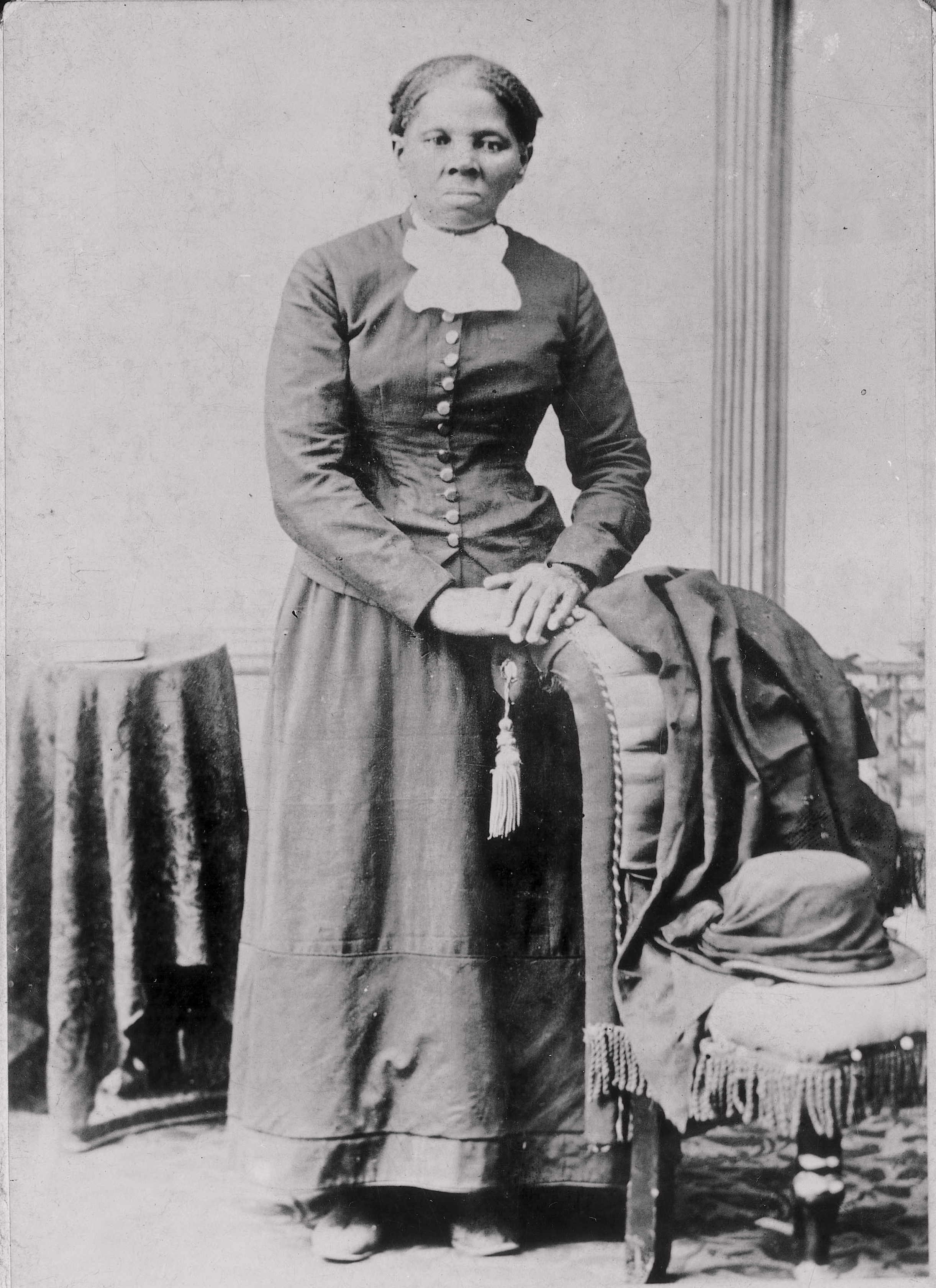
 Harriet Tubman in a photograph dating from around 1860-75.
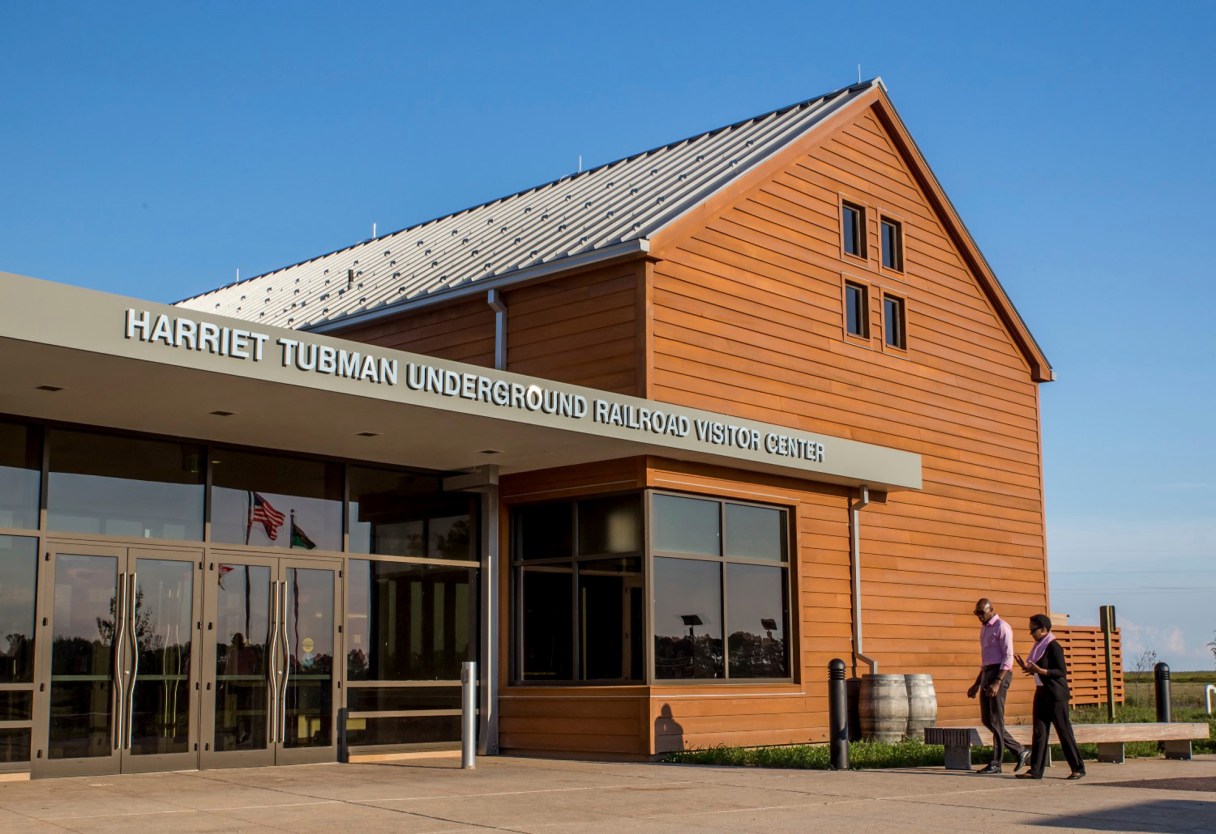
CHURCH CREEK, Md. – A new visitors center on the Eastern Shore of the Chesapeake Bay explores the history of one of Maryland’s most famous figures, the Underground Railroad conductor, abolitionist and Civil War spy Harriet Tubman.
The $21 million Harriet Tubman Underground Railroad Visitor Center is in Church Creek, about a two-hour drive from Baltimore. It opens four years after its groundbreaking. Free events scheduled for the grand-opening weekend include children’s activities, presentations by a Tubman re-enactor, tours of a legacy garden that will discuss escape methods used by Tubman, and talks by rangers and others.
A ribbon-cutting was being held at the site on Friday, designated by the U.S. Congress in 1990 as Harriet Tubman Day. Tubman died on March 10, 1913, at a home for the elderly she founded in Auburn, New York.
HISTORY
Visitors will see a short video introduction to Tubman’s life and her formative years in Maryland. A permanent exhibit focuses on Tubman and the Underground Railroad resistance movement in Maryland, including Tubman’s brutal treatment at the hands of slave owners, her escape to freedom, and her later rescues of hundreds of slaves. The center also has a shop and a research library.