
Tuesday, November 10, 2026Nov 10

Justice watchdog says DEA botched deadly Honduras missions

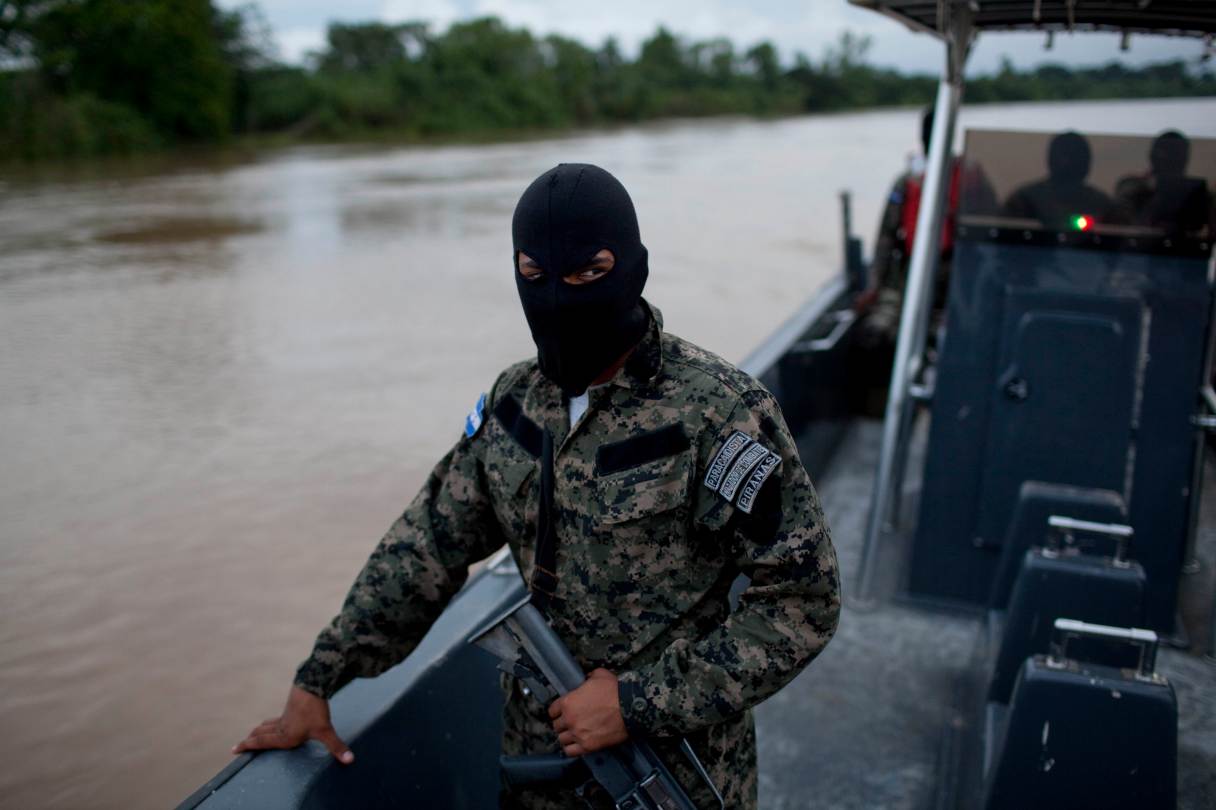
FILE - In this May 21, 2012, file photo, Honduran Navy officers patrol in Patuca river, near Ahuas, a remote community in La Mosquitia region, Honduras. The U.S. Drug Enforcement Administration misled the public, Congress and Justice Department officials about an aggressive strategy that led to a series of deadly confrontations involving agents in Honduras, government watchdogs wrote in a scathing report released May 24, 2017. The offensive, known as Operation Anvil, involved U.S. State Department helicopters and a special team of DEA agents working with Honduran security forces to stop planes carrying cocaine into the country. The report found sweeping problems with the DEA's response to three violent encounters associated with the effort in 2012, including a May 11 raid that killed four people and wounded four others, whom locals said were innocent civilians traveling the river near the village of Ahuas at night. (AP Photo/Rodrigo And, File)
FILE - In this May 21, 2012, file photo, Honduran Navy officers patrol in Patuca river, near Ahuas, a remote community in La Mosquitia region, Honduras. The U.S. Drug Enforcement Administration misled the public, Congress and Justice Department officials about an aggressive strategy that led to a series of deadly confrontations involving agents in Honduras, government watchdogs wrote in a scathing report released May 24, 2017. The offensive, known as Operation Anvil, involved U.S. State Department helicopters and a special team of DEA agents working with Honduran security forces to stop planes carrying cocaine into the country. The report found sweeping problems with the DEA's response to three violent encounters associated with the effort in 2012, including a May 11 raid that killed four people and wounded four others, whom locals said were innocent civilians traveling the river near the village of Ahuas at night. (AP Photo/Rodrigo And, File) FILE - In this May 21, 2012, file photo, Honduran Navy officers patrol in Patuca river, near Ahuas, a remote community in La Mosquitia region, Honduras. The U.S. Drug Enforcement Administration misled the public, Congress and Justice Department officials about an aggressive strategy that led to a series of deadly confrontations involving agents in Honduras, government watchdogs wrote in a scathing report released May 24, 2017. The offensive, known as Operation Anvil, involved U.S. State Department helicopters and a special team of DEA agents working with Honduran security forces to stop planes carrying cocaine into the country. The report found sweeping problems with the DEA's response to three violent encounters associated with the effort in 2012, including a May 11 raid that killed four people and wounded four others, whom locals said were innocent civilians traveling the river near the village of Ahuas at night. (AP Photo/Rodrigo And, File)

WASHINGTON (AP) – The U.S. Drug Enforcement Administration misled the public, Congress and Justice Department officials about an aggressive yet poorly planned strategy that led to a series of deadly confrontations involving agents in Honduras, government watchdogs wrote in a scathing report released Wednesday.

The offensive, known as Operation Anvil, involved U.S. State Department helicopters and a special team of DEA agents working with Honduran security forces to stop drug smuggling planes carrying cocaine into the country. The report found sweeping problems with the DEA’s response to three violent encounters associated with the effort in 2012, including a May raid that killed four people and wounded four others, whom locals said were innocent civilians traveling the river near the village of Ahuas at night.

The agency poorly planned the operation, failed to fully investigate the incidents and gave inaccurate information to Justice Department officials and Congress, according to the report released by inspectors general for the Justice and State departments.

The DEA said in a statement that the team involved in the effort – called the Foreign Advisory and Support Team- no longer operates overseas, among other changes.

But the agency’s efforts to disrupt drug smuggling abroad continue. It said it was implementing the recommendations outlined in the report, which include more thoroughly investigating shootings that happen during work with foreign law enforcement agents.