
Saturday, October 31, 2026Oct 31

This story is free to read.

Zika hit Florida months before infections found, study says

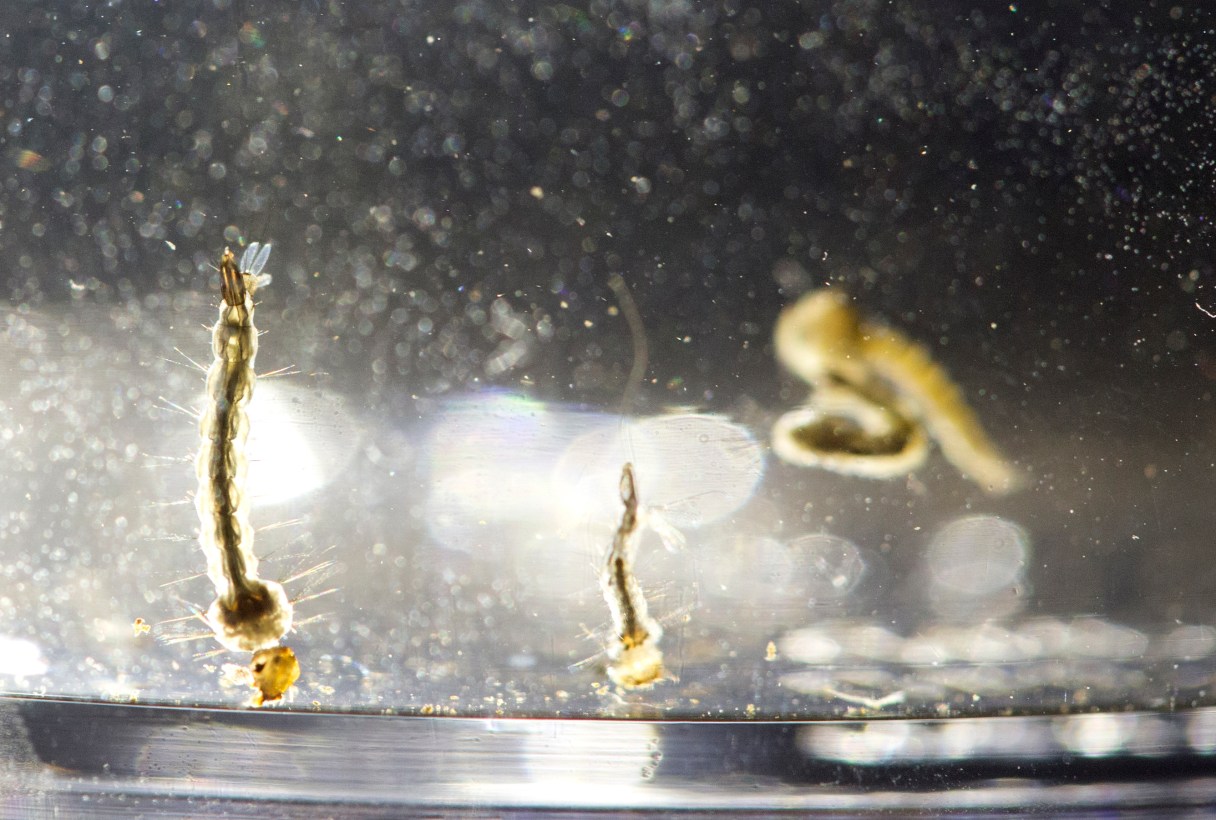
FILE - In this Wednesday, Aug. 24, 2016 file photo, Aedes Aegypti mosquito larvae swim in a container at the Florida Mosquito Control District Office in Marathon, Fla. A study released on Wednesday, May 24, 2017 suggests Zika began spreading in Florida mosquitoes about three months before infections showed up in the Miami area in the summer of 2016, and the virus likely was carried in by travelers from the Caribbean. (AP Photo/Wilfredo Lee, File)
FILE - In this Wednesday, Aug. 24, 2016 file photo, Aedes Aegypti mosquito larvae swim in a container at the Florida Mosquito Control District Office in Marathon, Fla. A study released on Wednesday, May 24, 2017 suggests Zika began spreading in Florida mosquitoes about three months before infections showed up in the Miami area in the summer of 2016, and the virus likely was carried in by travelers from the Caribbean. (AP Photo/Wilfredo Lee, File) FILE - In this Wednesday, Aug. 24, 2016 file photo, Aedes Aegypti mosquito larvae swim in a container at the Florida Mosquito Control District Office in Marathon, Fla. A study released on Wednesday, May 24, 2017 suggests Zika began spreading in Florida mosquitoes about three months before infections showed up in the Miami area in the summer of 2016, and the virus likely was carried in by travelers from the Caribbean. (AP Photo/Wilfredo Lee, File)

NEW YORK (AP) – New research suggests Zika began spreading in Florida mosquitoes about three months before infections were detected in the Miami area last summer.

The researchers also found the virus likely was carried in by travelers from the Caribbean.

They say mosquitoes started picking up the virus from infected travelers as early as March. It wasn’t until July that Florida health officials said they had detected a local infection – the first in the U.S. mainland.

The research comes from scientists who examined genetic information from people and mosquitoes. The findings were released Wednesday in the journal Nature.

Most people infected with Zika don’t get sick. It can cause a mild illness, with fever, rash and joint pain. But infection during pregnancy can lead to severe brain-related birth defects in babies.