












The human condition features the good and bad of our individual traits that, collectively, create the mass of our society. In recent weeks, we’ve watched that human condition rise to great challenges with wildfires that were overshadowed in the West by the sequence of hurricanes that have devastated the lives of Americans. We’ve seen human chains form to rescue the stranded in floodwaters, lines snake around buildings to drop off food for shelters and to volunteer, and the generosity and goodness of so many expressed in countless ways.
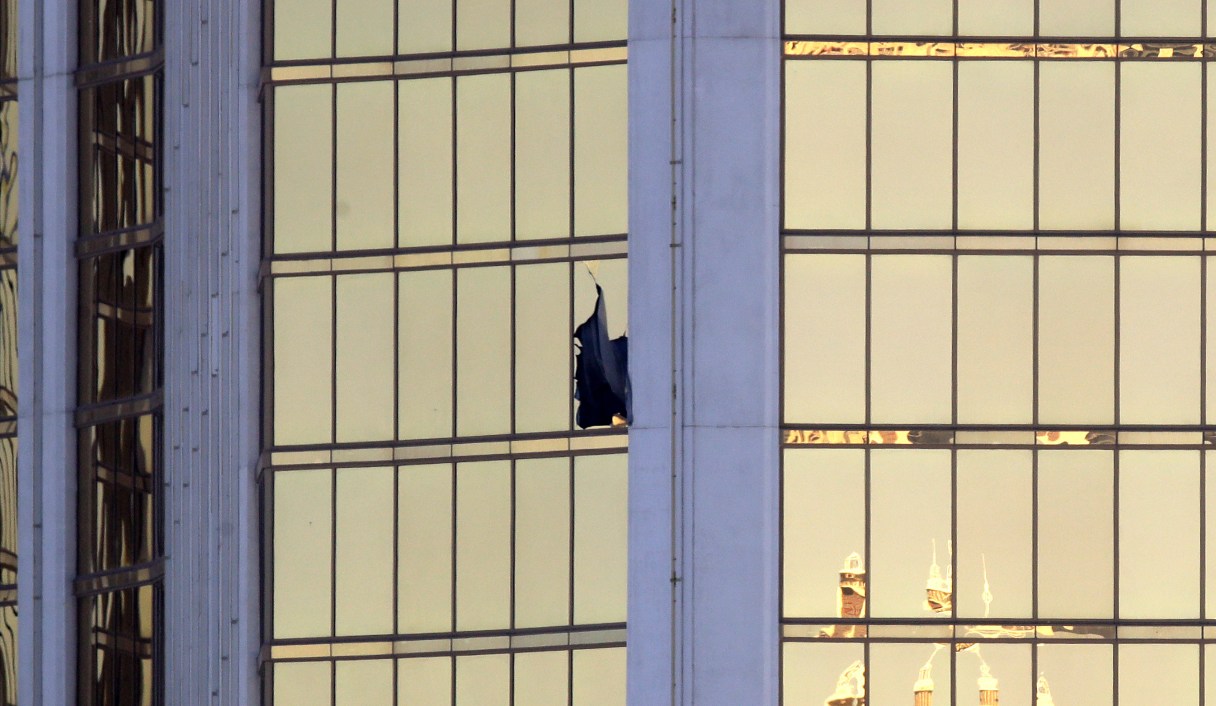
The premeditated Las Vegas mass shooting equally featured accounts that will travel through time as benchmarks of heroism, seen and unseen.
While this human condition features the expanse of characteristics and emotions that make everyone unique, the capacity of good is in every heart. That good sustains an orderly and decent society. Equally, however, the capacity for evil exists and is the chosen path for some. Yes, it’s a decision, a choice.
What drives one toward the path of evil? Evil, as defined by Merriam-Webster’s Dictionary, is the state of being morally reprehensible, with its origins noted as arising from actual or imputed bad character or conduct.
 Robin Smith
Interestingly, to acknowledge evil is to stand politically incorrect. The linear logic follows that if you acknowledge evil, you, too, acknowledge a morality that’s good versus amorality that’s not. Further, by addressing a state of wickedness, there’s an agreement that there is good character and conduct versus bad. Clearly, the evidence of evil is inarguable in our society, with the recent Las Vegas shooting an easy example.