
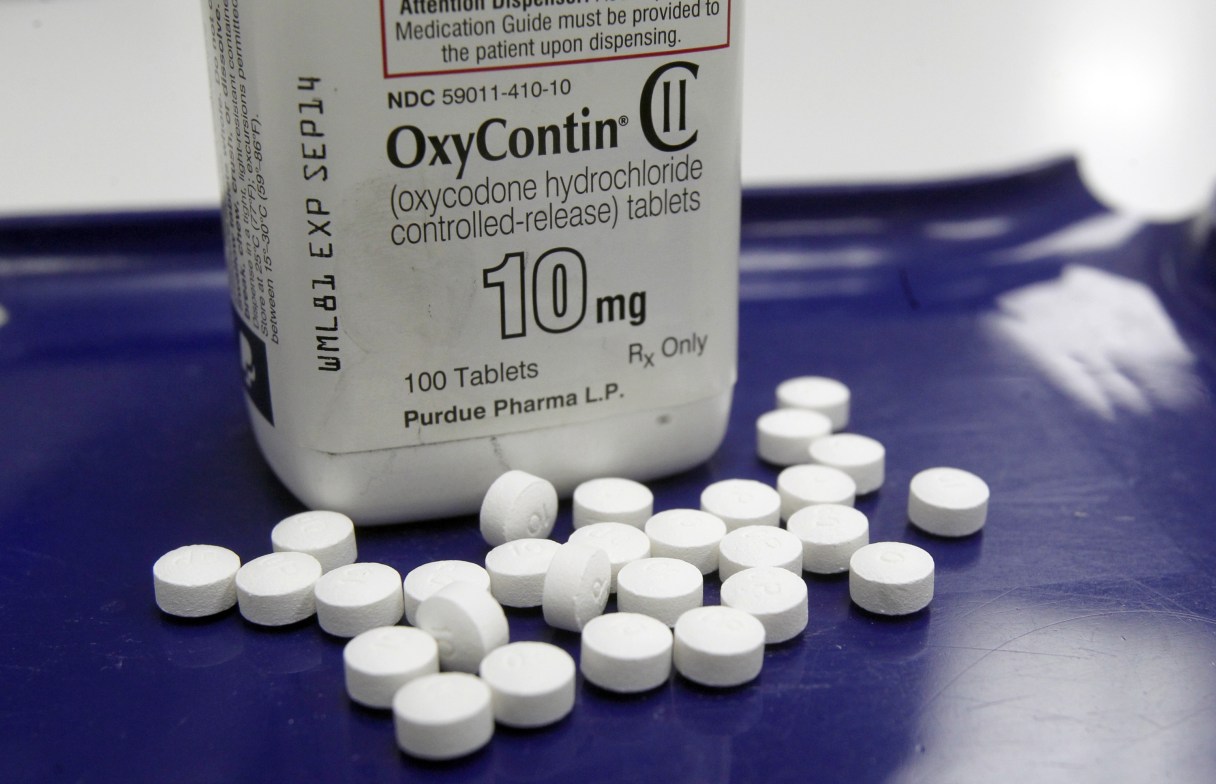
WASHINGTON (AP) – President Donald Trump’s plan to declare the opioid crisis a nationwide public health emergency won’t bring new dollars to fight a scourge that kills an estimated 142 Americans each day, but will expand access to medical services in rural areas and shift some federal HIV money to help addicts, White House officials said Thursday.
Trump intended to use an afternoon speech to announce that he was directing his health department to take that step, according to the officials, who weren’t authorized to publicly discuss the matter in advance and briefed journalists on condition of anonymity.
Administration officials said they would urge Congress, during end-of-the year budget negotiations, to add new cash to a public health emergency fund that Congress hasn’t sent money to for years. They made clear that the declaration, which lasts for 90 days and can be renewed, comes with no dedicated dollars.
“An emergency declaration without significant new funds will likely be unsuccessful,” Becky Salay, director of government relations at Trust for America’s Health, a Washington-based public health research and advocacy organization, said in advance of the president’s announcement. “The problem is enormous and requires a similar investment in a comprehensive strategy that includes primary prevention.”
Leading up to the declaration, Trump had said he wanted to give his administration the “power to do things that you can’t do right now.” As a candidate, he had pledged to make fighting addiction a priority, and pressed the issue in some of the states hardest hit.