
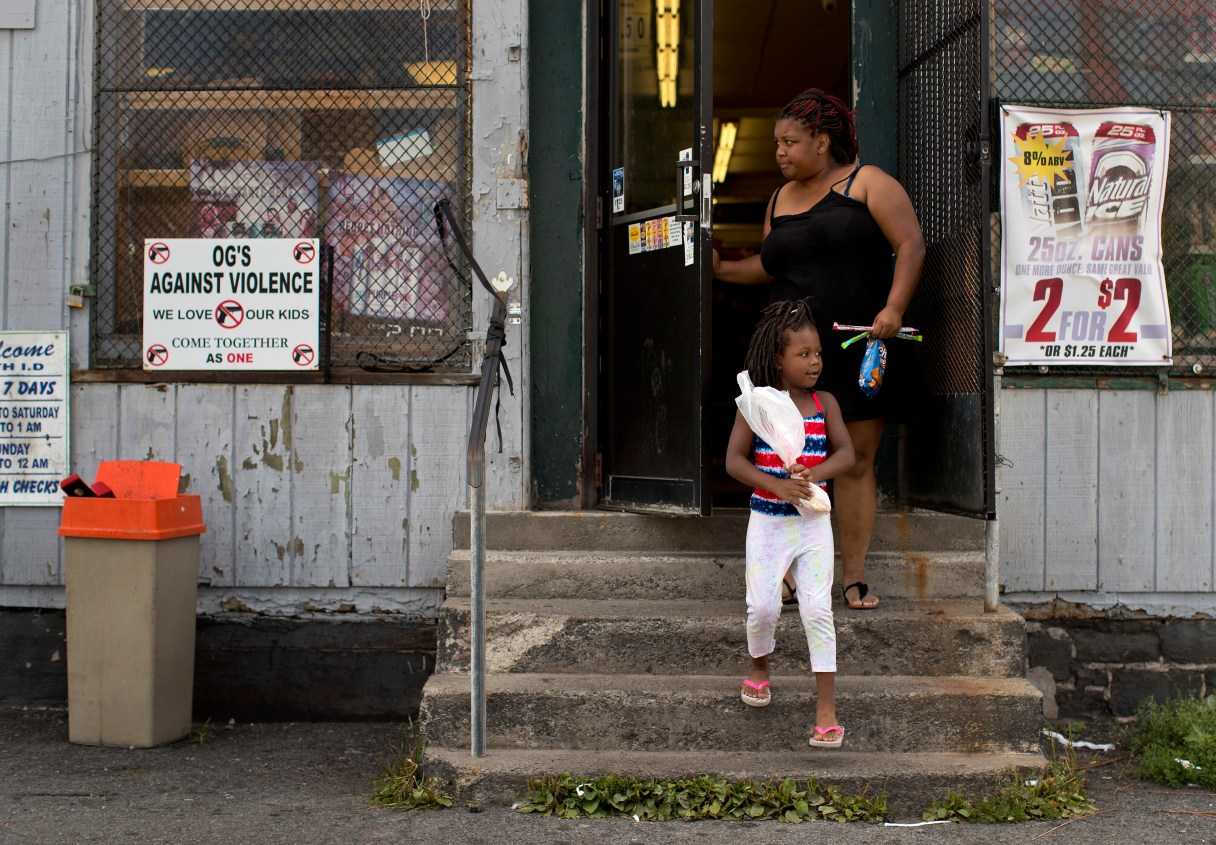
SAVANNAH, Ga. (AP) – One is known as an oasis of Southern charm and history, drawing millions of tourists with its time-capsule collection of antebellum homes and marble monuments.
The other is a faded rust-belt city where winters are spent rooting for a cherished college basketball powerhouse and bracing for frigid blankets of lake-effect snow.
On the surface, Savannah, Georgia, and Syracuse, New York, don’t have much in common beyond their size; both are smaller cities with populations hovering around 145,000 people. Yet their streets share a grim reality: Teenagers are being killed or wounded by firearms at rates far higher than in most U.S. cities, according to an Associated Press and USA TODAY Network analysis of shooting cases compiled by the nonprofit Gun Violence Archive.
From 2014 through this past June, 57 youths aged 12 to 17 in Savannah and 48 in Syracuse were killed or injured in gun violence. The cities’ rates of teen shootings per capita are more than double those seen in the vast majority of U.S. cities with populations of 50,000 or more.
“It’s getting worse,” said Barbara O’Neal, who started the group Mothers of Murdered Sons in Savannah. “They’re still shooting. And they still don’t care.”