
Wednesday, November 11, 2026Nov 11

China postpones food import controls after global outcry

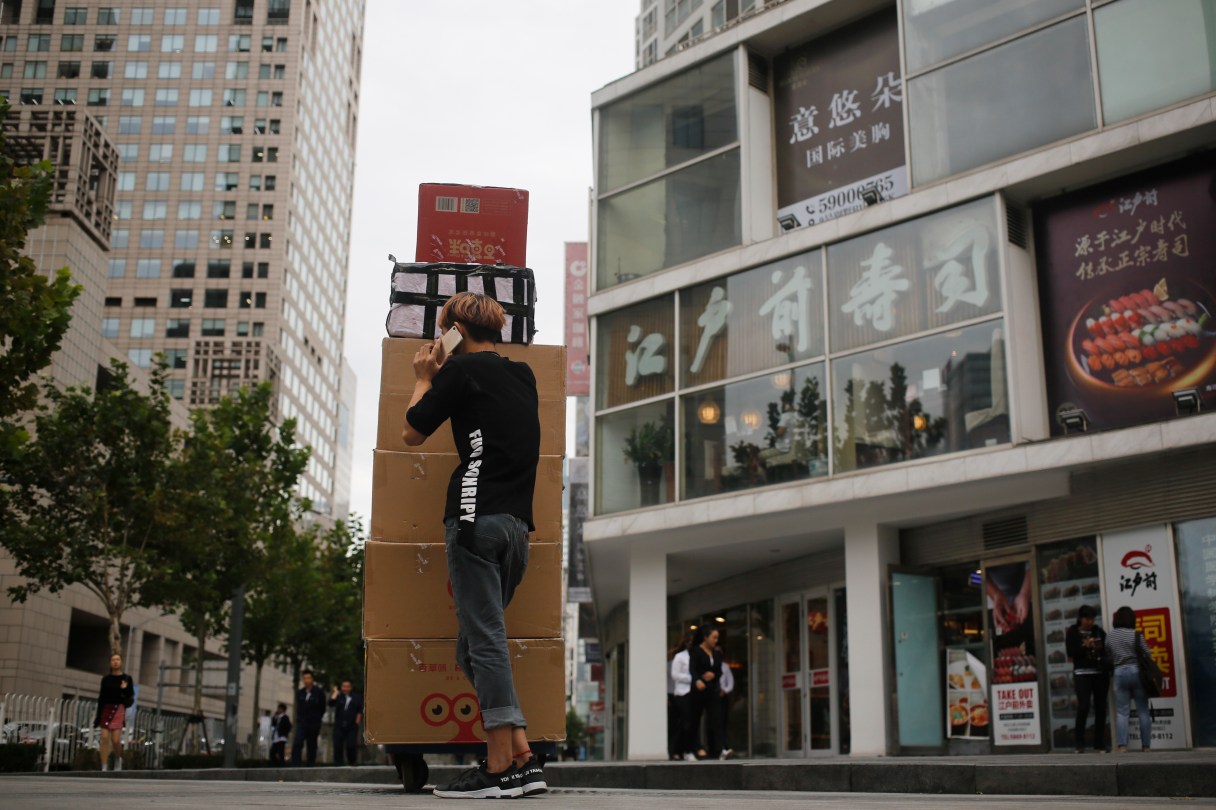
A deliver worker talks on his mobile phone next to a card loaded boxes of dried foods near a sushi restaurant at a commercial building in Beijing, Tuesday, Sept. 26, 2017. China has postponed enforcement of sweeping new controls on food imports following complaints by the United States, Europe and other trading partners that they would disrupt billions of dollars in trade. (AP Photo/Andy Wong)
A deliver worker talks on his mobile phone next to a card loaded boxes of dried foods near a sushi restaurant at a commercial building in Beijing, Tuesday, Sept. 26, 2017. China has postponed enforcement of sweeping new controls on food imports following complaints by the United States, Europe and other trading partners that they would disrupt billions of dollars in trade. (AP Photo/Andy Wong) A deliver worker talks on his mobile phone next to a card loaded boxes of dried foods near a sushi restaurant at a commercial building in Beijing, Tuesday, Sept. 26, 2017. China has postponed enforcement of sweeping new controls on food imports following complaints by the United States, Europe and other trading partners that they would disrupt billions of dollars in trade. (AP Photo/Andy Wong)

BEIJING (AP) – China has delayed enforcing sweeping new controls on food imports following complaints by the United States, Europe and other trading partners that they would disrupt billions of dollars in trade.

Rules requiring each food shipment to have an inspection certificate from a foreign government were due to take effect Sunday. But Beijing has decided to grant a transitional period of two years following comments by other governments, according to a document submitted to the World Trade Organization on Monday and seen by The Associated Press.

It gave no details, but the delay might help avert concerns that shipments of meat, fruit, dairy and other products could be disrupted, hurting thousands of farmers and food processors who look to China as a key growth market.

The dispute added to trade tensions with the United States and Europe, which complain that low-priced exports of Chinese steel and aluminum are hurting foreign competitors and threatening jobs.

The food rules prompted unusually broad opposition. Governments said little in public, but a coalition including the United States, European Union, Japan, Australia and Argentina lobbied Beijing to scale back the requirement. They urged China to follow global practice and apply it only to high-risk food.