
Monday, November 2, 2026Nov 2

This story is free to read.

EPA says dioxins might have washed downriver during Harvey

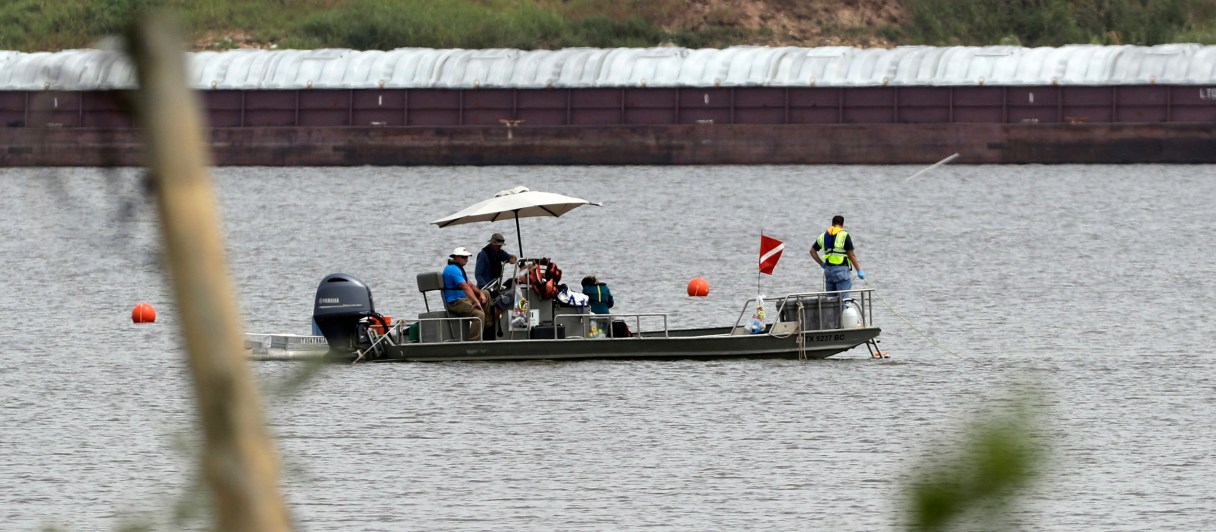
In this Sept. 13, 2017 photo, a boat with a dive flag is shown at San Jacinto River Waste Pits near the Interstate 10 bridge over the river in Channelview, Texas. The Environmental Protection Agency says an unknown amount of a dangerous chemical linked to birth defects and cancer may have washed downriver from a Houston-area Superfund site during the flooding from Hurricane Harvey.  (AP Photo/David J. Phillip)
In this Sept. 13, 2017 photo, a boat with a dive flag is shown at San Jacinto River Waste Pits near the Interstate 10 bridge over the river in Channelview, Texas. The Environmental Protection Agency says an unknown amount of a dangerous chemical linked to birth defects and cancer may have washed downriver from a Houston-area Superfund site during the flooding from Hurricane Harvey. (AP Photo/David J. Phillip) In this Sept. 13, 2017 photo, a boat with a dive flag is shown at San Jacinto River Waste Pits near the Interstate 10 bridge over the river in Channelview, Texas. The Environmental Protection Agency says an unknown amount of a dangerous chemical linked to birth defects and cancer may have washed downriver from a Houston-area Superfund site during the flooding from Hurricane Harvey. (AP Photo/David J. Phillip)

WASHINGTON (AP) – People living in Houston-area neighborhoods that flooded during hurricane Harvey worry their homes might contain mud contaminated with a chemical linked to birth defects and cancer.

The Environmental Protection Agency says an unknown amount of dioxins may have washed downriver from a Superfund site, the San Jacinto River Waste Pits. The EPA says it’s ordered those responsible for the site to immediately address damage to a protective cap of fabric and rock intended to keep sediments highly contaminated with dioxins from spreading.

The EPA says a sample collected by an agency dive team from the exposed area shows dioxin levels more than 2,300 times the level set to trigger a cleanup.

A local environmental advocate, Jackie Young, says there’s no way of knowing where floodwaters carried the contaminated material.