
Monday, November 9, 2026Nov 9

Mueller’s Russia probe shows it pays to cooperate

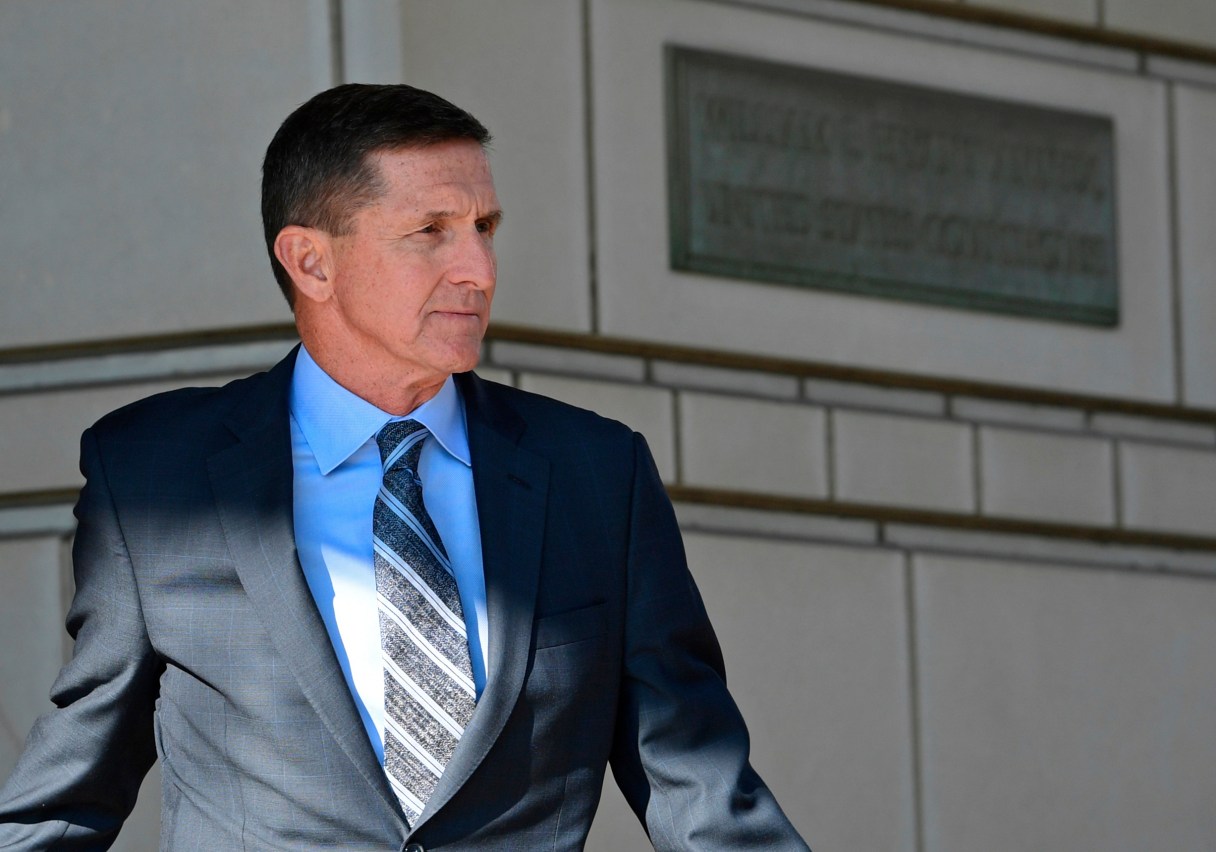
In this Dec. 1, 2017, file photo, former national security adviser Michael Flynn for President Donald Trump leaves federal court in Washington. Robert Mueller's Russia investigation is illustrating an age-old truism: It pays to cooperate with the government. The few people who so have cooperated with the special counsel's office have enjoyed perks including the prospect of reduced prison sentences. Flynn flies cross-country to stump for a California congressional candidate and books a speaking event in New York. (AP Photo/Susan Walsh, File)
In this Dec. 1, 2017, file photo, former national security adviser Michael Flynn for President Donald Trump leaves federal court in Washington. Robert Mueller's Russia investigation is illustrating an age-old truism: It pays to cooperate with the government. The few people who so have cooperated with the special counsel's office have enjoyed perks including the prospect of reduced prison sentences. Flynn flies cross-country to stump for a California congressional candidate and books a speaking event in New York. (AP Photo/Susan Walsh, File) In this Dec. 1, 2017, file photo, former national security adviser Michael Flynn for President Donald Trump leaves federal court in Washington. Robert Mueller's Russia investigation is illustrating an age-old truism: It pays to cooperate with the government. The few people who so have cooperated with the special counsel's office have enjoyed perks including the prospect of reduced prison sentences. Flynn flies cross-country to stump for a California congressional candidate and books a speaking event in New York. (AP Photo/Susan Walsh, File)

WASHINGTON (AP) – George Papadopoulos, taken by surprise by FBI agents at an airport last summer, now tweets smiling beach selfies with a Mykonos hashtag. Rick Gates, for weeks on home confinement with electronic monitoring, gets rapid approval for a family vacation and shaves down his potential prison time. Michael Flynn, once the target of a grand jury investigation, flies cross-country to stump for a California congressional candidate and books a speaking event in New York.

The message is unmistakable: It pays to cooperate with the government.

That’s an age-old truism in any criminal investigation, but it’s especially notable in a case as pressing and high profile as special counsel Robert Mueller’s Russia probe, where deals afforded to cooperators have raised speculation about incriminating information they’re providing.

The perks of cooperation have manifested themselves in freer travel, lenient punishment prospects and even public comments by defendants that might have been unthinkable months ago. They form a counterpoint to the experiences of Paul Manafort, the former Trump campaign chairman who has refused to cooperate and faces decades in prison, and send a message to others entangled in the Mueller probe that they too could receive favorable treatment if they agree to work with investigators.

“There’s no question that it’s in the government’s interest to take what steps they can to show that cooperating is in the interest of the defendant,” said Daniel Petalas, a former federal prosecutor. “A basic principle of plea bargaining is that you have to make it worth it to the defendant to admit liability in a criminal matter.”