
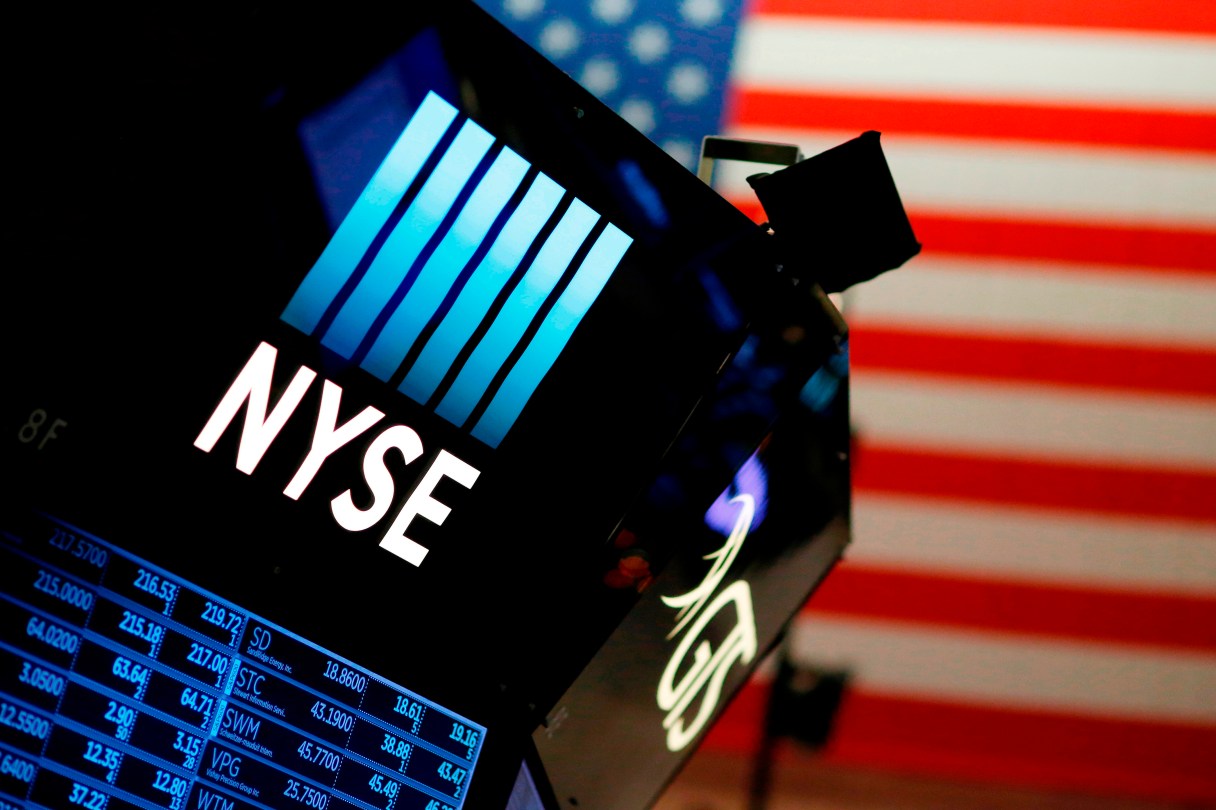
For more than a year, Wall Street has largely ignored the unpredictability and chaos that has plagued Donald Trump’s administration, confident that the businessman-turned- president’s policies would juice the economy and that a team of mainstream advisers would keep more controversial proposals at bay.
Now the financial markets are showing their patience with Trump has its limits.
A triple whammy of tariffs, Twitter threats against one of the nation’s largest companies and high-level staff shake-ups have rattled Wall Street in recent weeks. The S&P 500 has fallen 1 percent amid turbulent daily price swings since March 1, the day Trump said he intended to levy tariffs on steel and aluminum imports. Wednesday was another roller coaster day for Wall Street amid back-and-forth tariff threats by the U.S. and China. The Dow Jones industrial average plunged 501 points after the opening bell but made it all back, and more.
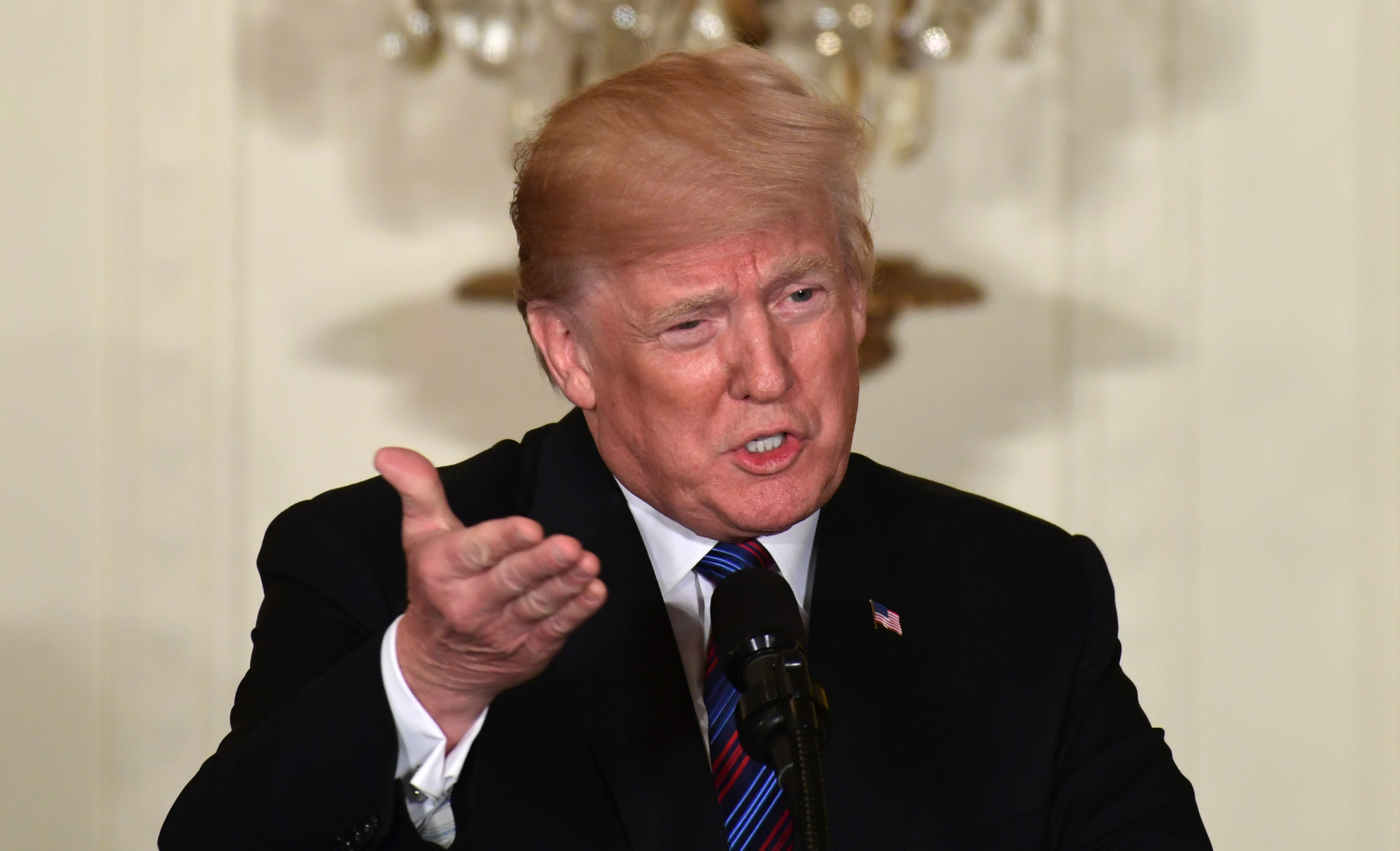 In this April 3, 2018, photo, President Donald Trump speaks during a news conference in the East Room of the White House in Washington. For more than a year, Wall Street has largely ignored the unpredictability and chaos that has plagued Trump’s administration, confident that the businessman-turned-president’s policies would juice the economy and that a team of mainstream advisers would keep more controversial proposals at bay. Now the financial markets are showing that their patience with Trump has its limits. (AP Photo/Susan Walsh)
The repercussions of a jagged drop in the stock market are both economic and political. If the market fluctuations continue, they could dampen business and consumer confidence and ultimately slow U.S. economic growth. For Trump and the Republican Party, that could be a devastating development in a midterm election year, when the party is largely pinning its hopes of keeping control of Congress on economic success and Americans seeing a benefit from the tax overhaul the president signed in December.
Republican leaders have been urging Trump, both publicly and privately, to spend the year selling the merits of the new tax law, which permanently slashed corporate tax rates and included big rate cuts for wealthy individuals, alongside more modest cuts for the middle class. Instead, Trump has aggressively pursued tariffs that may initially satisfy his supporters’ desire to crack down on China and other nations, but risk sparking a trade war that could devastate some of the American industries that Trump has pledged to protect.