
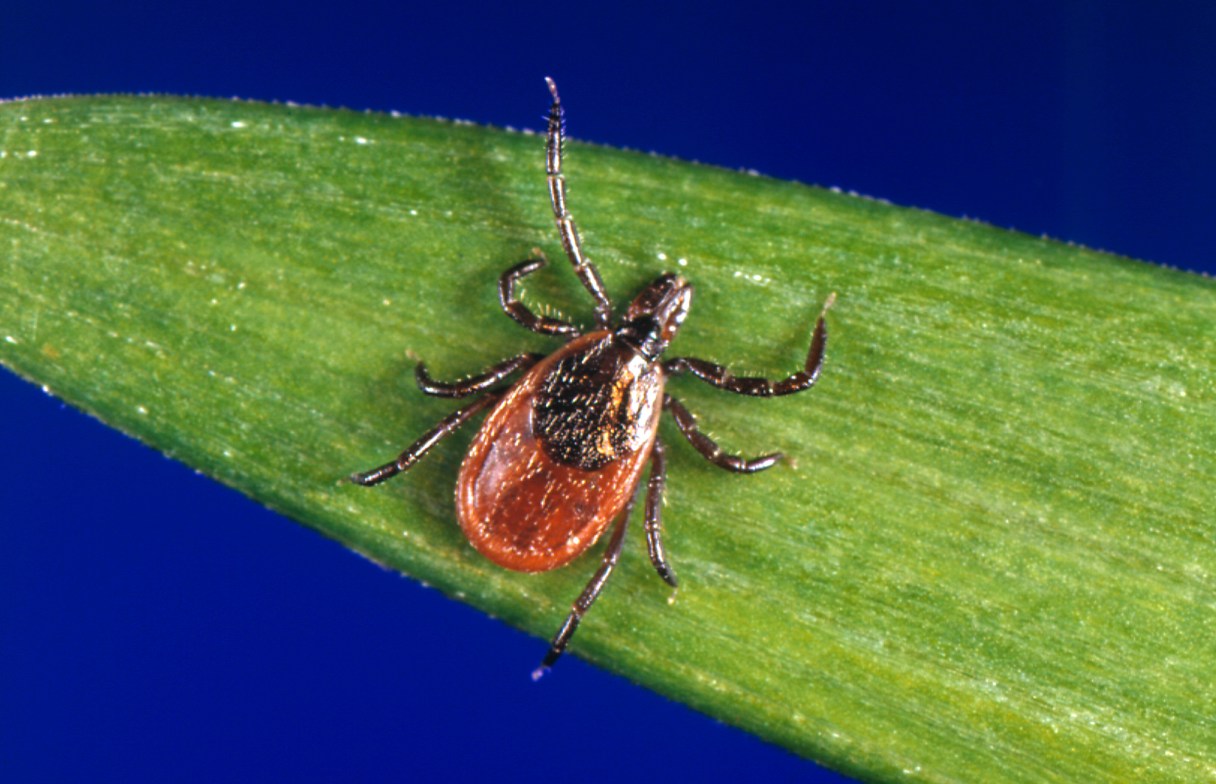
The most common cause of anaphylaxis cases in a Tennessee allergy clinic stemmed from an allergic reaction to alpha-gal – a sugar found in red meat such as beef, pork and venison – caused by ticks, according to a recent study.
The clinic also saw unknown anaphylaxis cases decrease from 59 percent to 35 percent. Researchers attributed the trend to an increase in lone star tick populations and a heightened awareness of alpha-gal allergy, which was first discovered in 2008.
Dr. Michael Hollie, a physician at the Allergy and Asthma Group of Galen, said the study adds to a growing body of literature and demonstrates that alpha-gal allergy is a significant source of anaphylaxis – a potentially life-threatening allergic reaction characterized by skin rash, nausea, vomiting, trouble breathing and shock.
“Over the last several years, it’s more clear that tick bites seem to be, in most cases, a preceding event, specifically that lone star tick that’s really common in the Southeast,” Hollie said. “When they bite humans, they inject a little bit of [alpha-gal] into the bloodstream, and for reasons that we don’t fully understand, some people’s immune system reacts to that sugar and creates an allergic antibody.”
The latest study found that that 33 percent of the 218 anaphylaxis cases reviewed were caused by alpha-gal, said Dr. Debendra Pattanaik, an associate professor of rheumatology in the University of Tennessee College of Medicine and principal investigator of the study.