
Wednesday, November 11, 2026Nov 11

Chattanooga stepping up its efforts to house the homeless

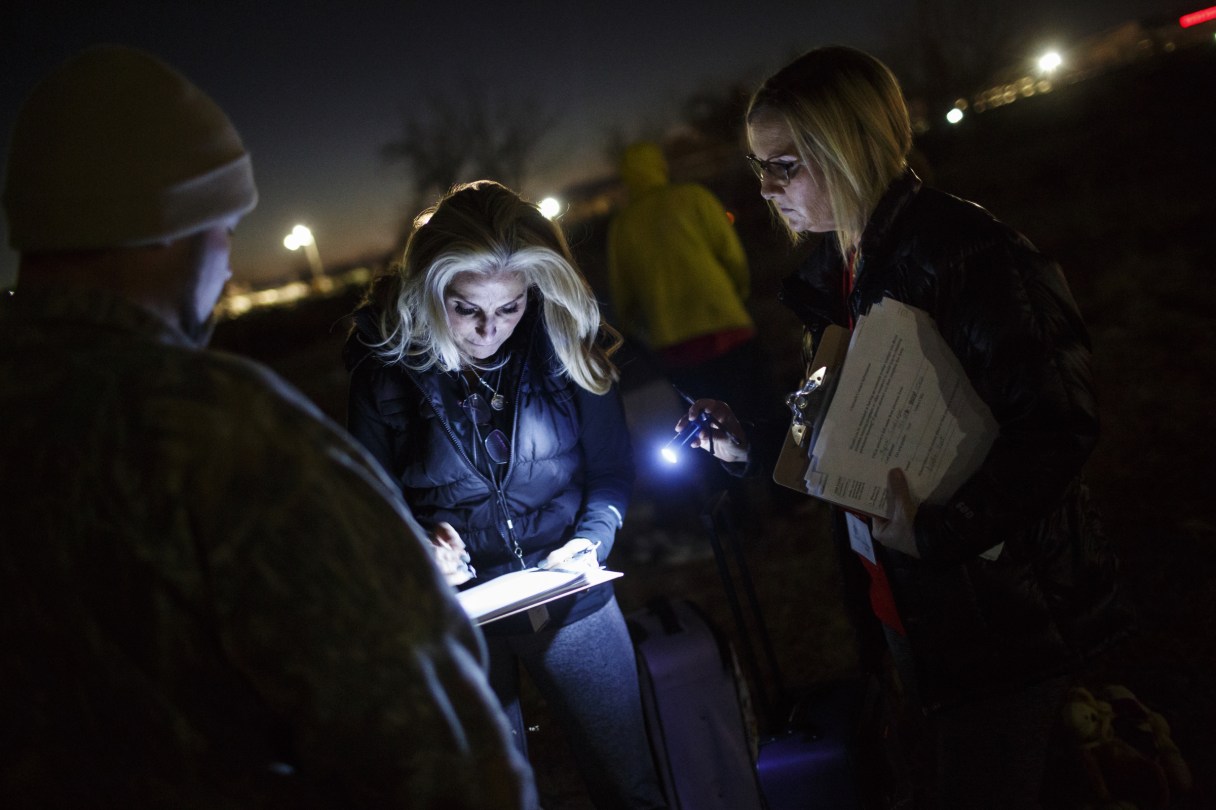
Tammie Carpenter, right, and Theresa Biggs, center, ask Josh Lillard questions at a homeless camp during the annual Point in Time Homeless Count on Jan. 25 in Chattanooga. Volunteers conducted surveys of homeless individuals and families in the region to provide data that will help service providers to offer targeted care and outreach.
Tammie Carpenter, right, and Theresa Biggs, center, ask Josh Lillard questions at a homeless camp during the annual Point in Time Homeless Count on Jan. 25 in Chattanooga. Volunteers conducted surveys of homeless individuals and families in the region to provide data that will help service providers to offer targeted care and outreach. Tammie Carpenter, right, and Theresa Biggs, center, ask Josh Lillard questions at a homeless camp during the annual Point in Time Homeless Count on Jan. 25 in Chattanooga. Volunteers conducted surveys of homeless individuals and families in the region to provide data that will help service providers to offer targeted care and outreach.

Building on lessons learned from its push to end veteran homelessness, Chattanooga Mayor Andy Berke’s administration is stepping up with more energy and resources to get more people housed.

The first step is to fix a broken system, Tyler Yount and Sam Wolfe from the mayor’s office told city council members during their strategic planning session Tuesday.

That means rejecting traditional wisdom, creating effective partnerships with people and agencies and rebuilding trust among people who may have completely lost faith in the system.

Yount is director of special projects and Wolfe is the city’s new homeless program coordinator.

To start, the city needs to know who is homeless, by name. Wolfe told council members the 2017 Point in Time Count found 576 people who said they were homeless. But, he noted, the Homeless Health Care Center across from the Community Kitchen served 3,000 people last year. That’s a significantly larger population.