
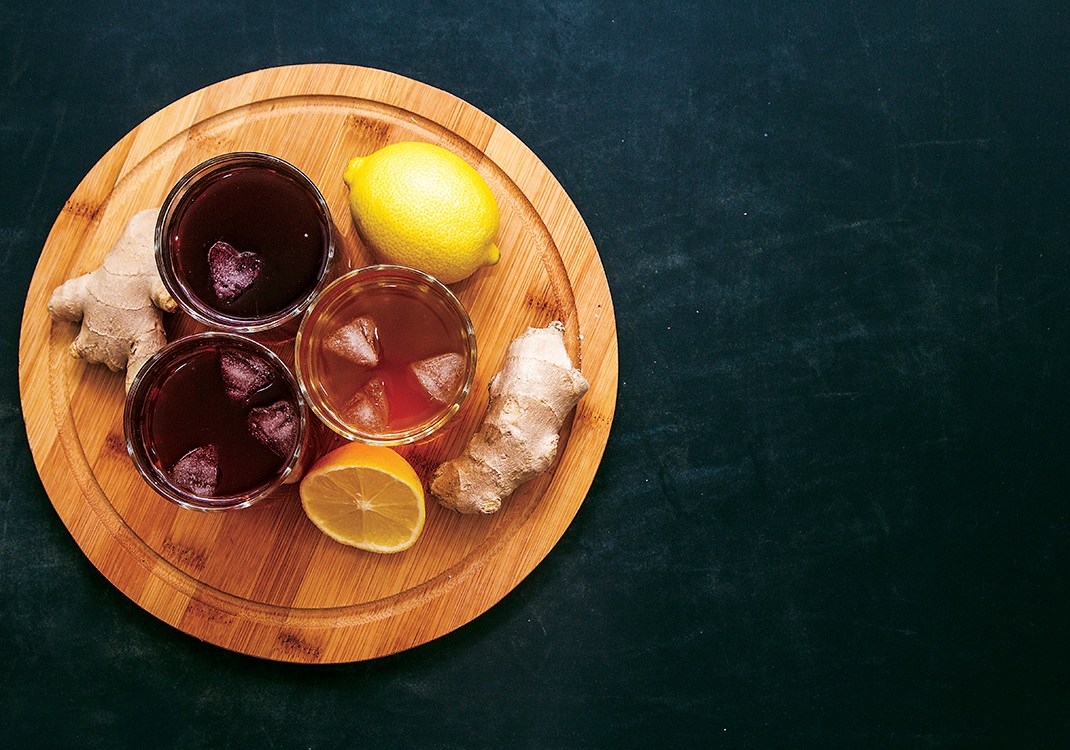

Kombucha, a fermented, slightly sweet and fizzy tea, has been around for ages, but it’s been just in the past decade or so that it’s gained a following in the States. Full of enzymes and amino acids, the beverage has been hailed as a cure for serious health issues including cancer and cardiovascular disease, though no substantial proof supporting these claims has been established.
Other purported benefits include boosting immune system function, and aiding digestion by populating the gut with healthy bacteria.
“I feel like it can help get toxins out of your body,” says Amanda Dawn Neufield, a local kombucha home-brewer who also considers the fizzy concoction a healthier alternative to high-fructose corn syrup-filled sodas.
Researchers have found that some kombucha samples contain Candida yeast, which can proliferate and cause a host of symptoms. Still, most agree it is safe to drink in moderation, so if you like the taste – but not the $3- to $5-per-bottle price tag – read on to learn how to make your own for pennies per gallon.
 An example of a symbiotic culture of bacteria and yeast (SCOBY)
Kombucha is fairly easy to brew, though you’ll need to do some research before getting started. You’ll also need a SCOBY, or “symbiotic culture of bacteria and yeast.” The slimy, mushroom cap-like living organism is where the bacteria and yeast necessary for fermentation live. Fermentation is a biological process that involves an organism converting a sugar or starch into cellular energy, such as acid or alcohol, in the absence of oxygen. The SCOBY also blocks out oxygen and contaminating-bacteria as the organism floats on top of your fermenting kombucha.