
Thursday, October 29, 2026Oct 29

This story is free to read.

Reaction to the trade battle between China and the U.S.

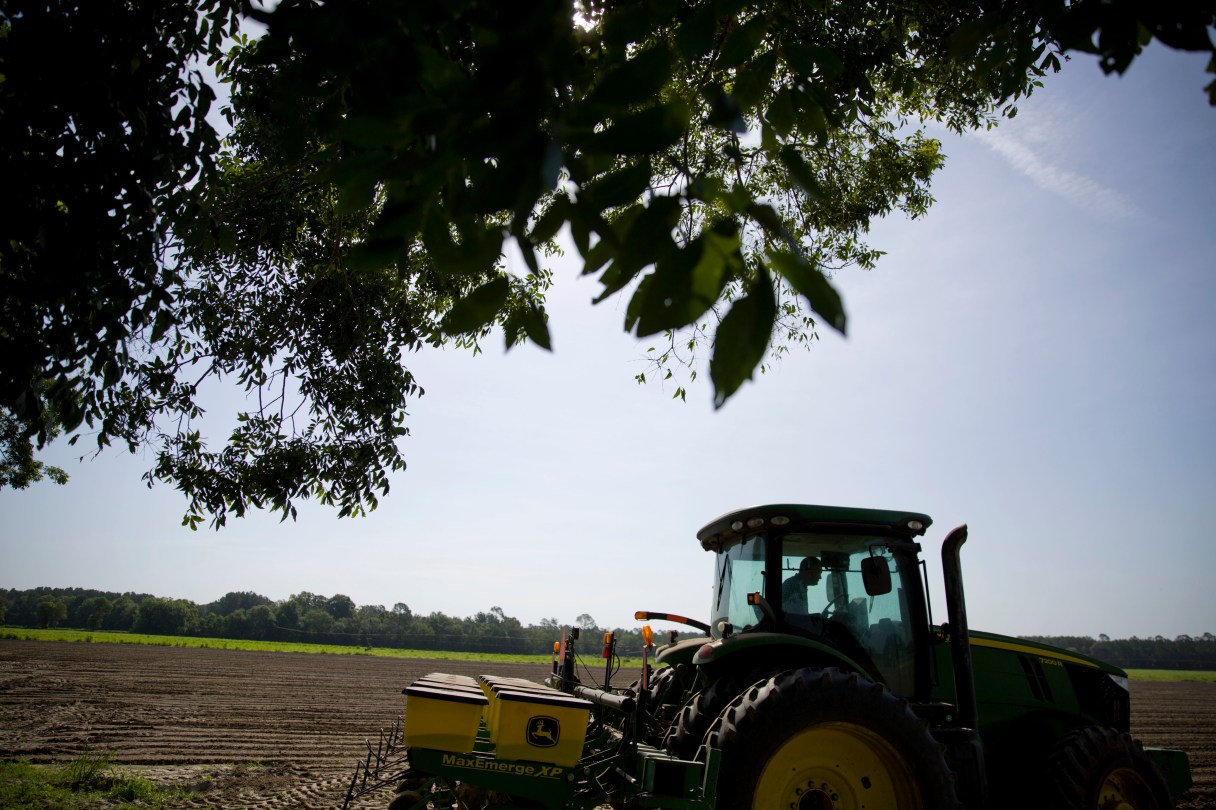
In this June 21, 2018, photo, Parrish Akins plants cotton seeds on his farm in Nashville, Ga. Akins estimates that 50 percent of his cotton is exported out of the country, China being one of the main recipients. “We’re very concerned about tariffs,” said Akins, who despite the potential effects on his business supports Trump’s policy on tariffs. “We’ll suffer in the short term but the long term effects of fair trade will be positive for American agriculture and American industry.” (AP Photo/David Goldman)
In this June 21, 2018, photo, Parrish Akins plants cotton seeds on his farm in Nashville, Ga. Akins estimates that 50 percent of his cotton is exported out of the country, China being one of the main recipients. “We’re very concerned about tariffs,” said Akins, who despite the potential effects on his business supports Trump’s policy on tariffs. “We’ll suffer in the short term but the long term effects of fair trade will be positive for American agriculture and American industry.” (AP Photo/David Goldman) In this June 21, 2018, photo, Parrish Akins plants cotton seeds on his farm in Nashville, Ga. Akins estimates that 50 percent of his cotton is exported out of the country, China being one of the main recipients. “We’re very concerned about tariffs,” said Akins, who despite the potential effects on his business supports Trump’s policy on tariffs. “We’ll suffer in the short term but the long term effects of fair trade will be positive for American agriculture and American industry.” (AP Photo/David Goldman)
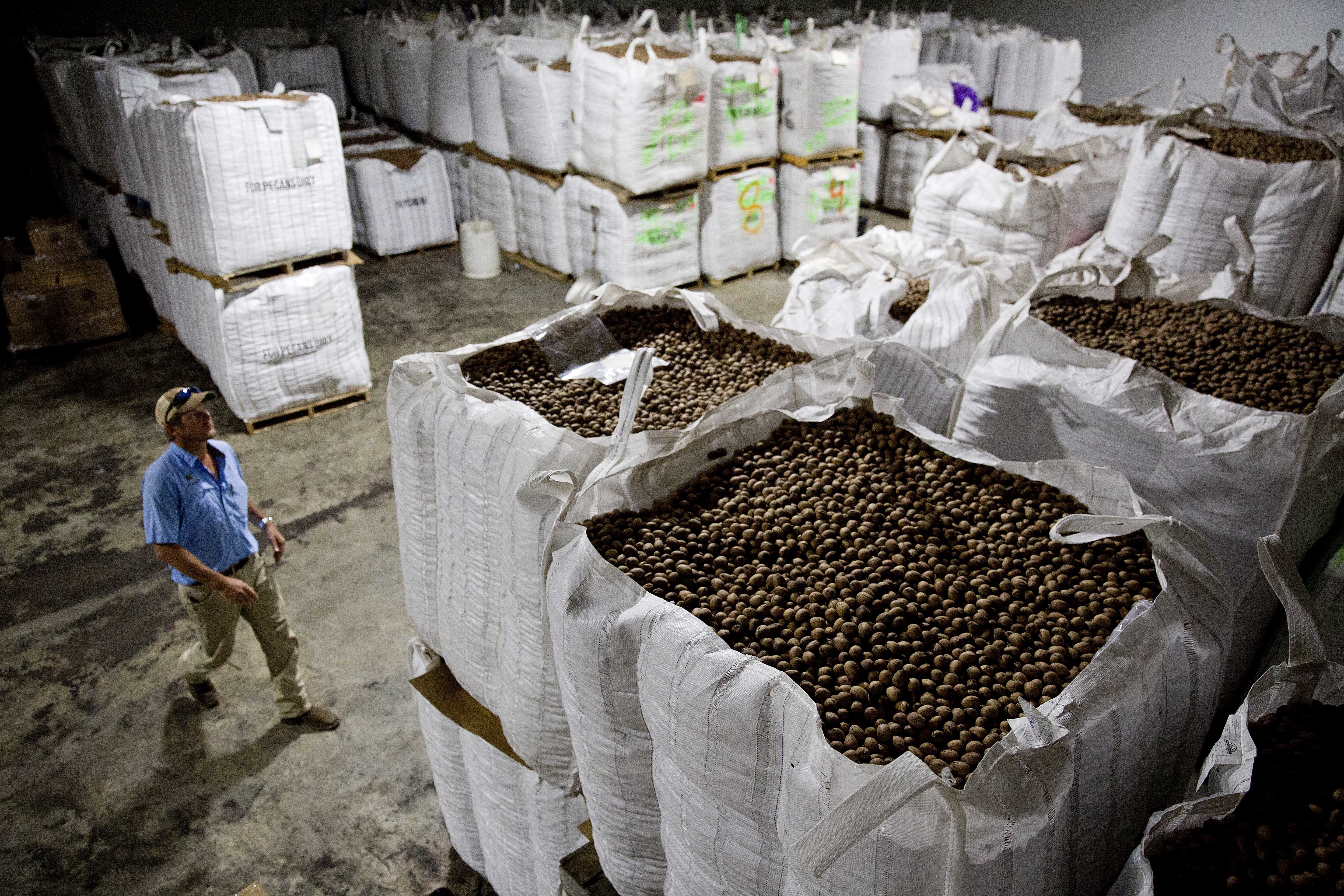
photo In this June 21, 2018, photo, Buck Paulk walks through his warehouse storing pecans at Shiloh Pecan Farms in Ray City, Ga. Paulk estimates that over 50 percent of his pecans are exported out of the country, China being one of the main recipients. Georgia is the nation’s leading producer of pecans. (AP Photo/David Goldman)

NEW YORK (AP) – After the U.S. imposed 25 percent tariffs on $34 billion worth of Chinese goods, China retaliated by imposing tariffs on the same amount of U.S. products. Here’s a look at reaction from some of the U.S. industries affected:

—

PORK PRODUCERS

The U.S. pork industry last year sent $1.1 billion worth of product to China, making it the third largest export market after Japan and Mexico.

Dave Warner, a spokesman for the National Pork Producers Council, said pork producers have already seen the value of their pigs fall after a previous Chinese tariff. Warner said pig producers will likely feel the effect of the new tariff, though it’s not yet clear exactly how.