
Saturday, November 14, 2026Nov 14

Rising air ambulance bills hit patients with added shock

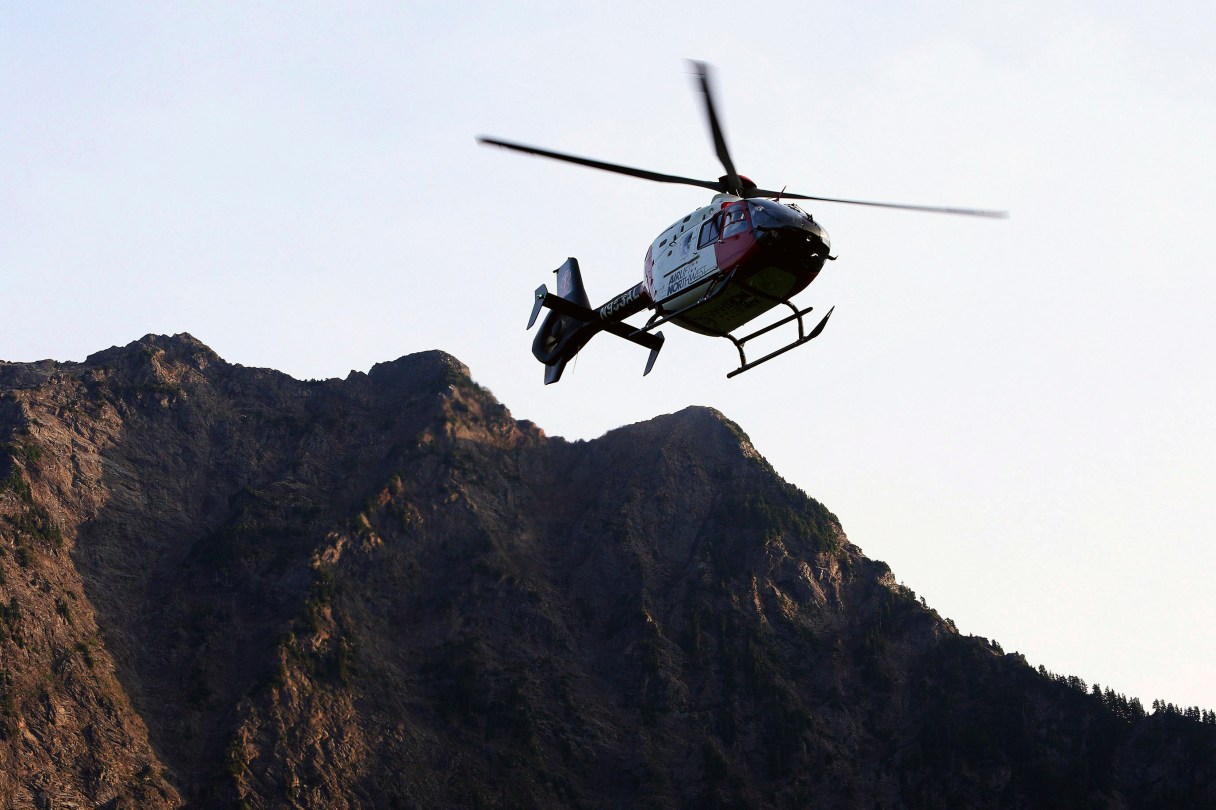
FILE - In this July 6, 2015, file photo a helicopter transports an injured woman to a hospital near the Big Four trail head in Verlot, Wash. Air ambulances transport around 400,000 people each year in the U.S., according to industry estimates. Most trips are from one hospital to another. But they also play a vital role in getting seriously injured or ill people fast help during what doctors call “the golden hour," the initial window after an accident when a patient’s chances for recovery are better (Genna Martin /The Herald via AP)

A helicopter trip to a hospital may not be the only shock a patient faces after a bad accident. The next one could hit when the bill arrives.

Rides in so-called air ambulances can lead to bills of more than $20,000 depending on a person’s coverage, and insurance experts say big invoices are becoming more common as costs rise and coverage shifts.

Air ambulances transport around 400,000 people each year in the U.S., according to industry estimates. Most trips are from one hospital to another. But they also play a vital role in getting seriously injured or ill people fast help during what doctors call “the golden hour” – the initial window after an accident when a patient’s chances for recovery are better. Here’s a deeper look at the issue:

A SPIRALING EXPENSE

Median prices for helicopter air ambulance services doubled from around $15,000 to about $30,000 from 2010 to 2014, according to a U.S. Government Accountability Office report last year.