
WASHINGTON – Looking at Russia’s competing spy services, their overlapping operations against the U.S. and their sometimes careless tradecraft, some CIA veterans are wondering if the Russian spooks actually want to get caught.
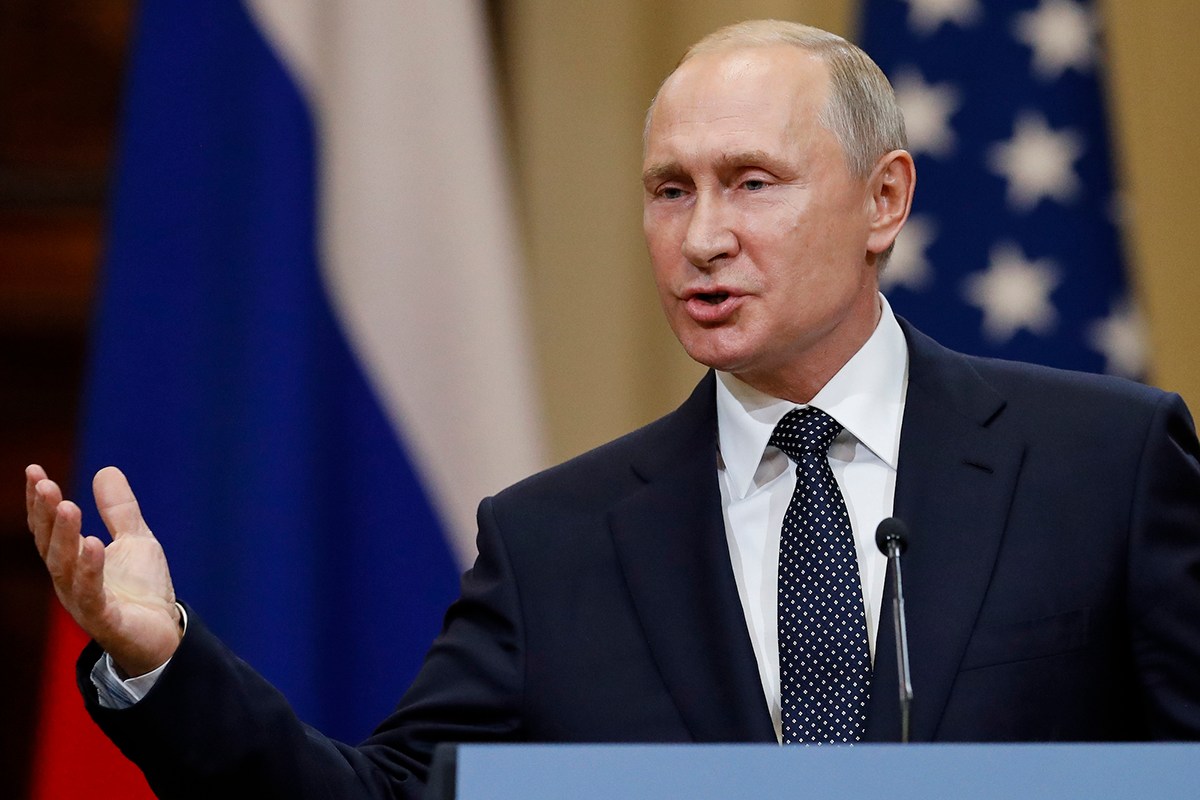
The truth is, President Vladimir Putin probably doesn’t mind that his intelligence activities are so blatant that they’re a subject of daily public debate. His goal isn’t to steal secrets but to destabilize America’s political system.
“Russian intelligence activities over the past several years have become not only more energetic, but more eclectic,” explains former CIA Director John Brennan in an email. “It’s a diverse, entrepreneurial and frequently competitive ecosystem. Some of their work is really, really good, showing exquisite tradecraft. Other stuff, not so much.”
The new freewheeling, anything-goes style is evident in Russia’s 2016 assault on the U.S. political system. The Kremlin attacked from three directions: GRU military intelligence, the FSB security service, and a social-media troll farm known as the Internet Research Agency, managed by one of Putin’s oligarch pals.
The Russians floated their covert-action propaganda through Facebook, Twitter, WikiLeaks and other social-media outlets. Who knows whether there was “collusion,” but Russian officials maintained contact in 2016 with a string of Donald Trump associates, high and low, in ways the FBI couldn’t miss.