

ROSSVILLE, Ga. – With multiple tenants complaining about the business practices at Tom Lackey’s manufactured home communities, some industry leaders are neither supporting nor condemning his work.
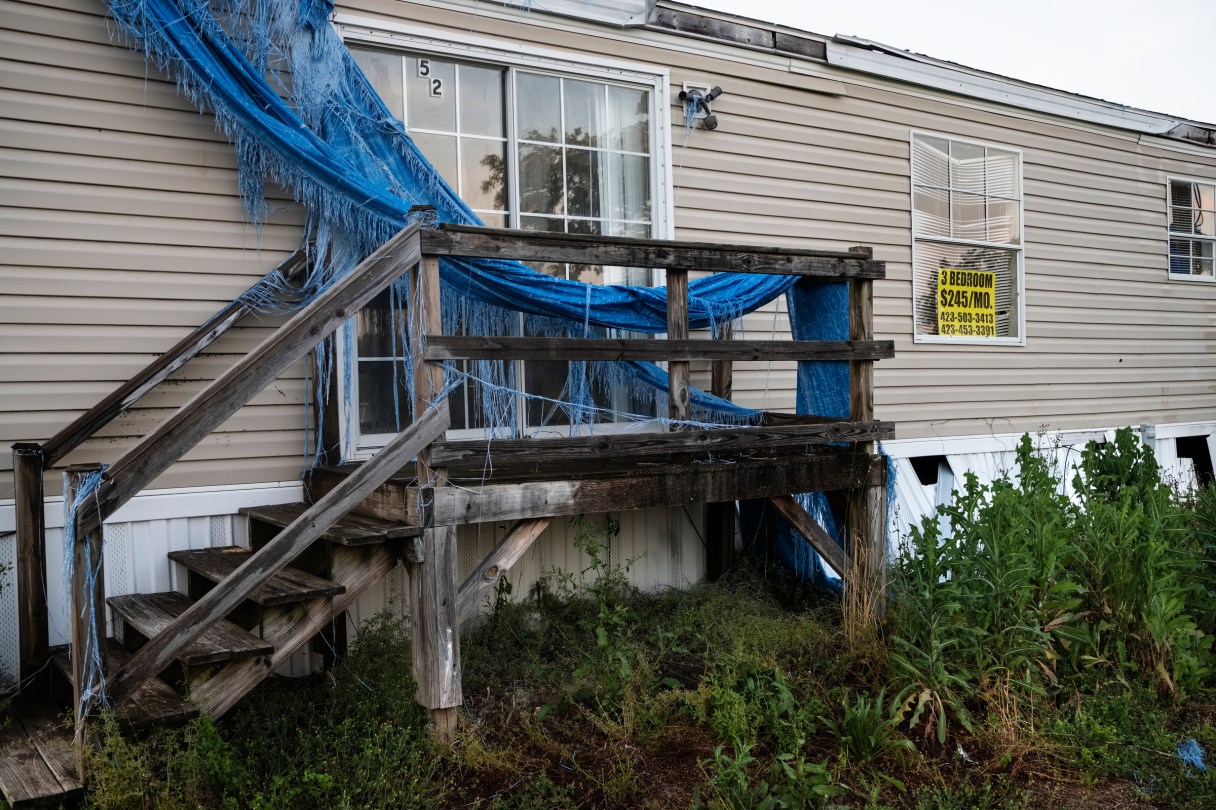
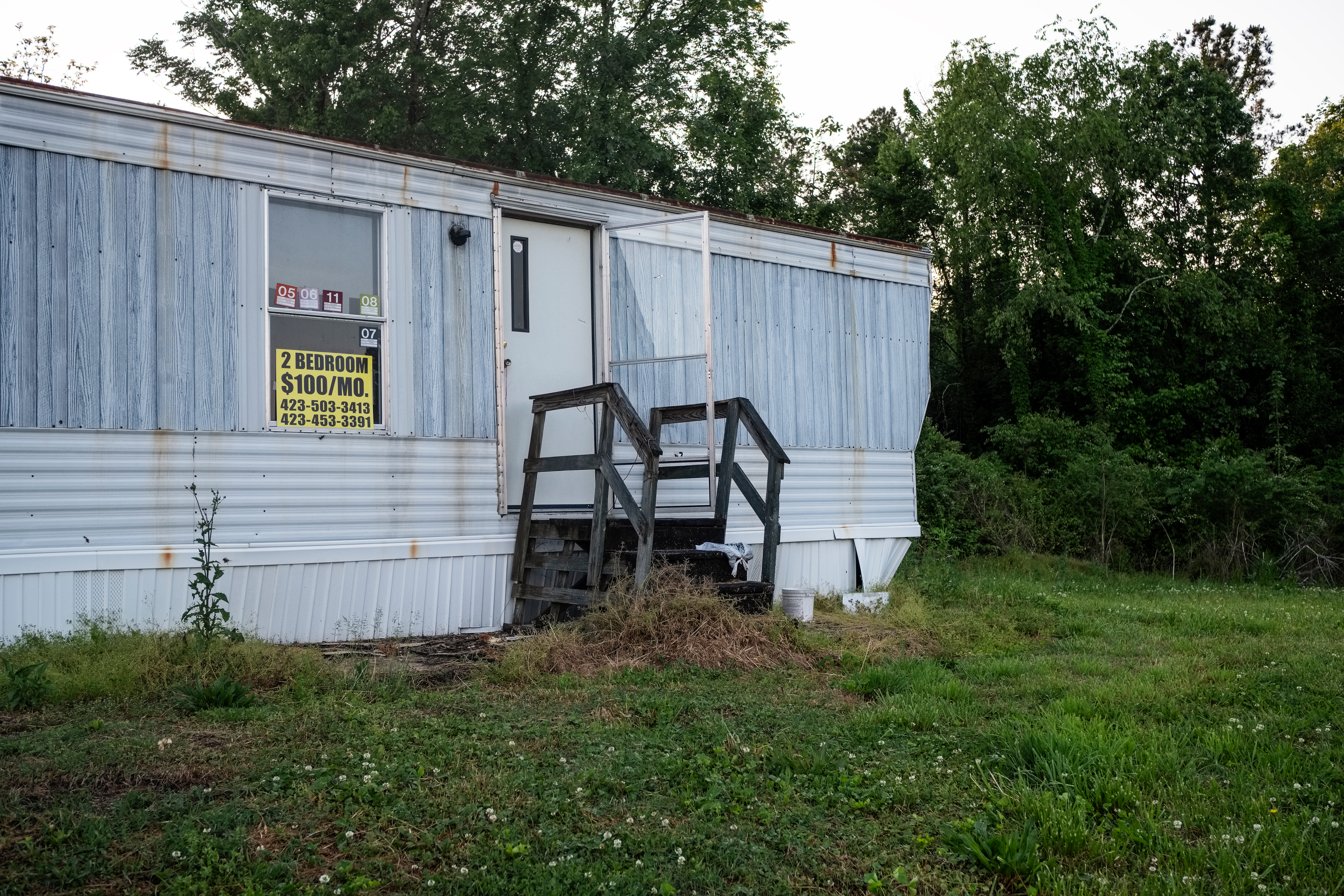
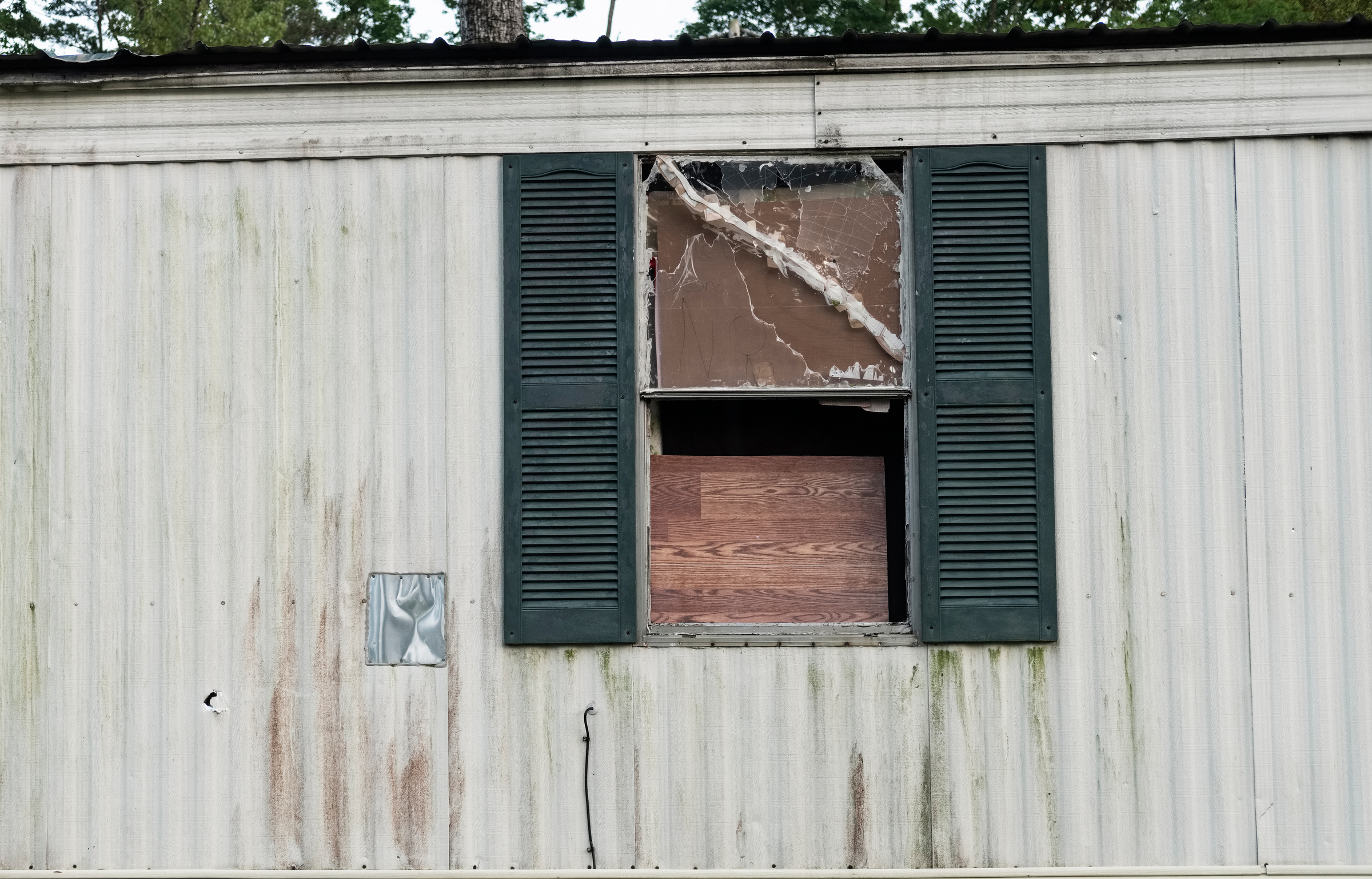
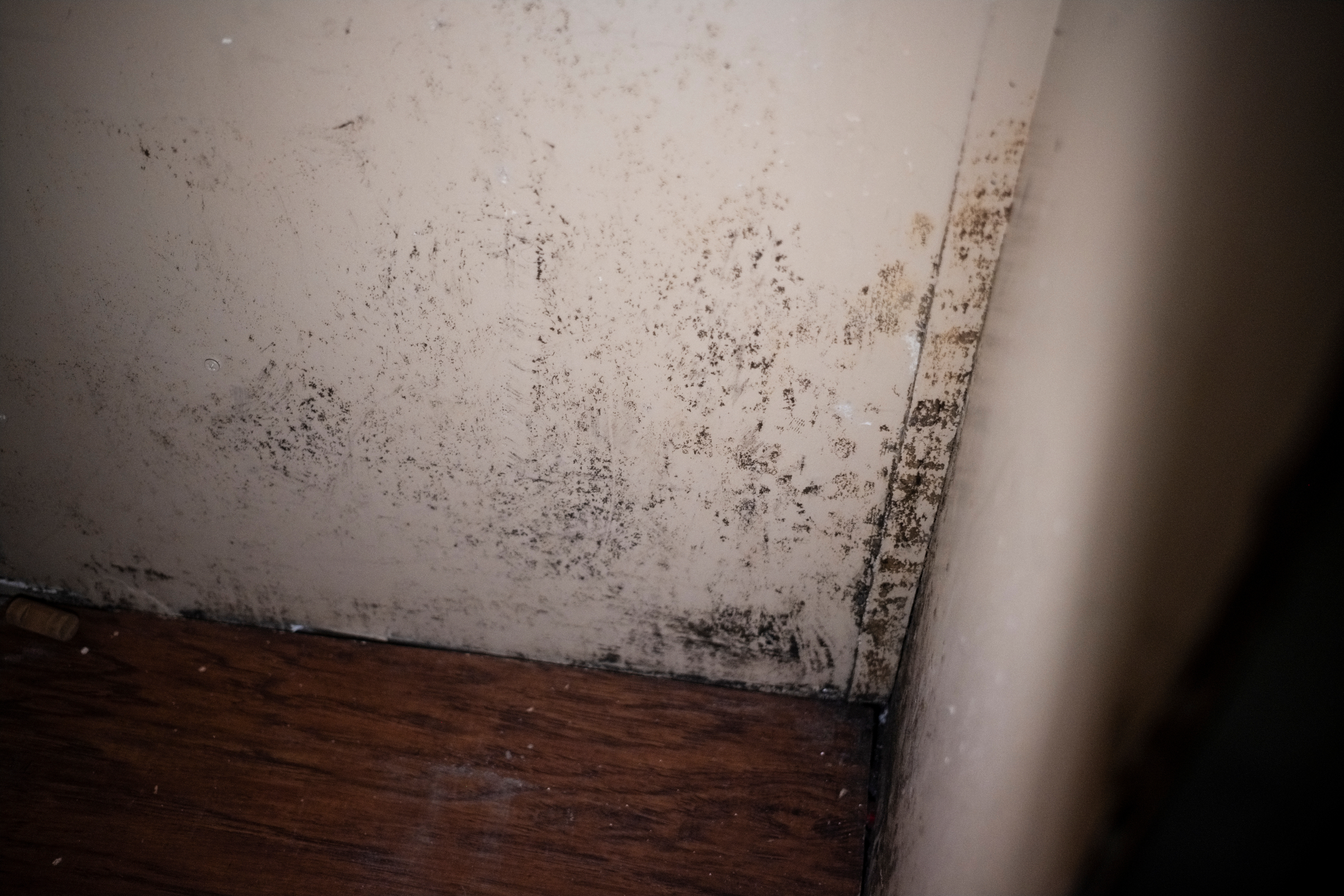
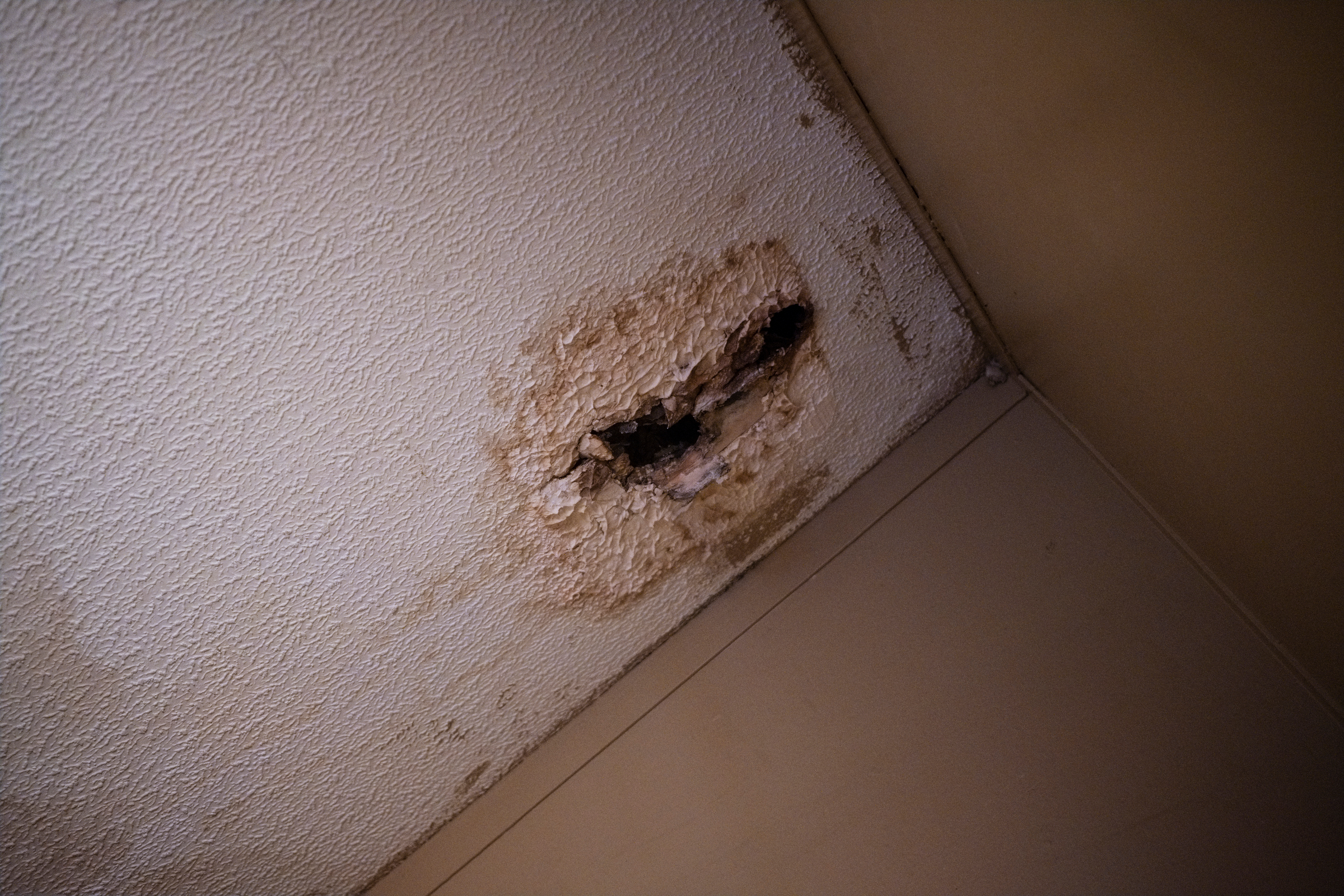
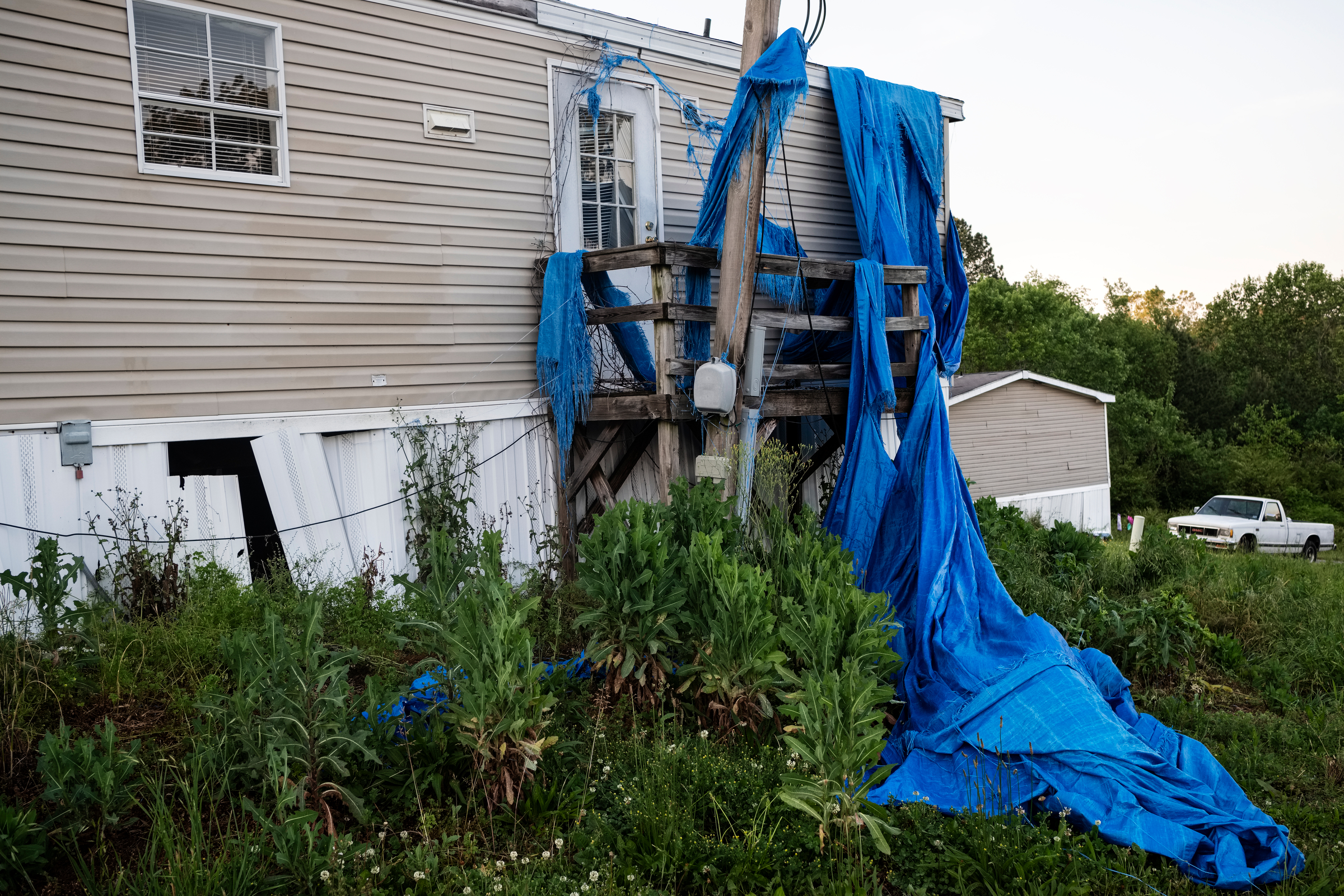
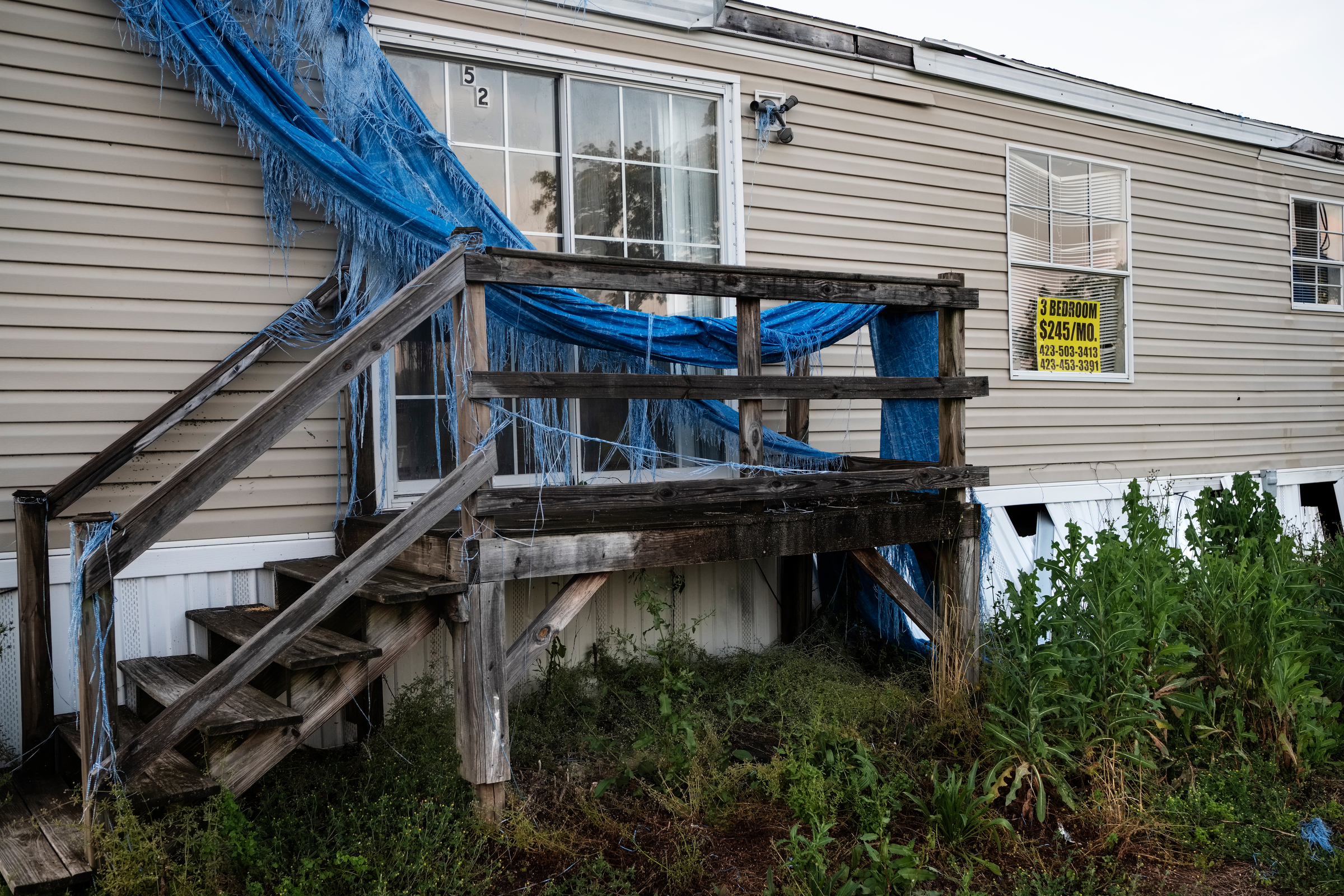
Lackey, the owner of Stoney Pointe Mobile Home Park and Blue Ridge Estates in Rossville, has been criticized by his tenants for leaving them with sub-standard housing that can include holes in the walls, black mold and rat infestations. Some tenants also have accused Lackey and his employees of misleading them about the terms of their contracts, charging tens of thousands of dollars more than the appraised value of decades-old manufactured homes.
In addition to owning parks, Lackey is on the planning commission of the Southeastern Community Owners Symposium, an organization that aims to educate other manufactured home community owners on best practices in the industry. SECO holds annual conferences in Atlanta and has grown from a couple dozen attendees eight years ago to a couple hundred people last year.
“I couldn’t ask for a more professional, conscientious, or capable member of our team,” Spencer Roane, a co-founder of SECO, said of Lackey in a statement, as first reported by Daily Business News, a blog that tracks the manufactured home industry.
Contacted by the Times Free Press on Friday, Roane said the statement accurately reflected his thinking. He declined to comment on Lackey’s use of seller-financed contracts, only saying they are generally a “complicated, legally enforceable means of transferring ownership of [manufactured homes] in some states.”