
BIO
Name: Philip George GarverAge: 73Military of the branch: U.S. ArmyYears of service: 1966-1968
 View our 21 Veteran Salute page
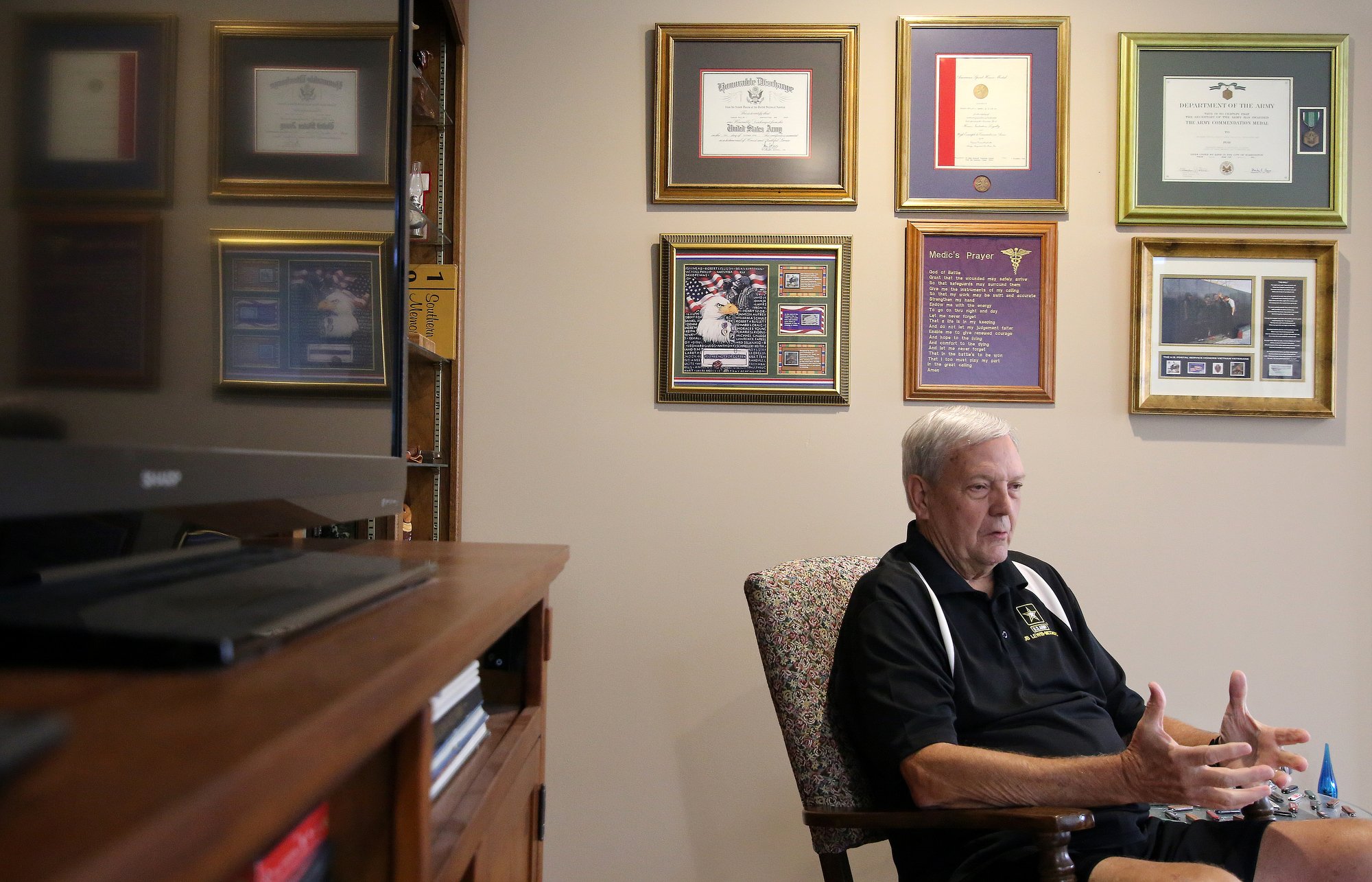
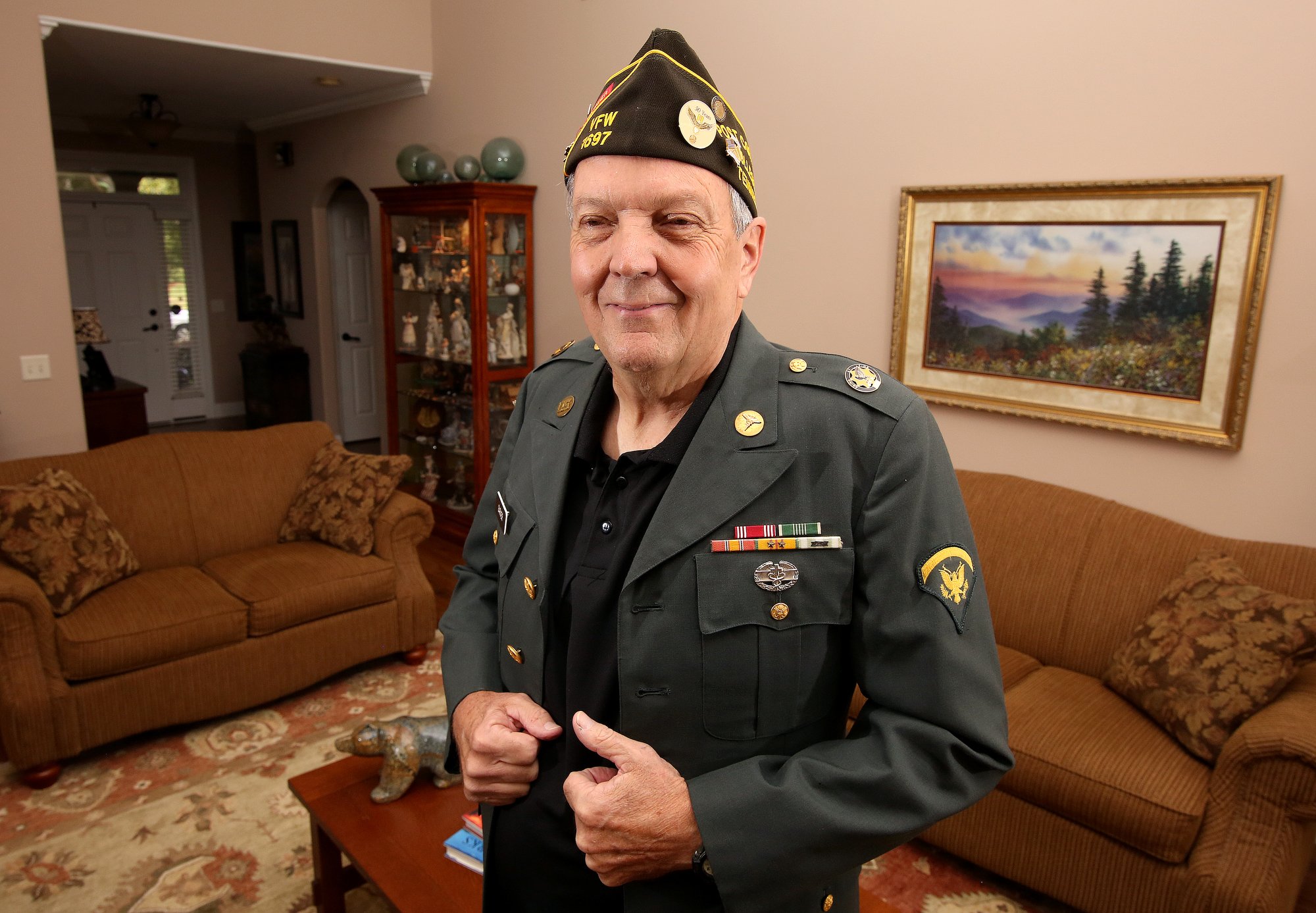
Philip George Garver served 11 months of active duty in Vietnam, and during his service, he earned the American Honor Spirit Medal and the Army Commendation Medal.
He never wanted to go in the first place and he refused to carry a weapon.
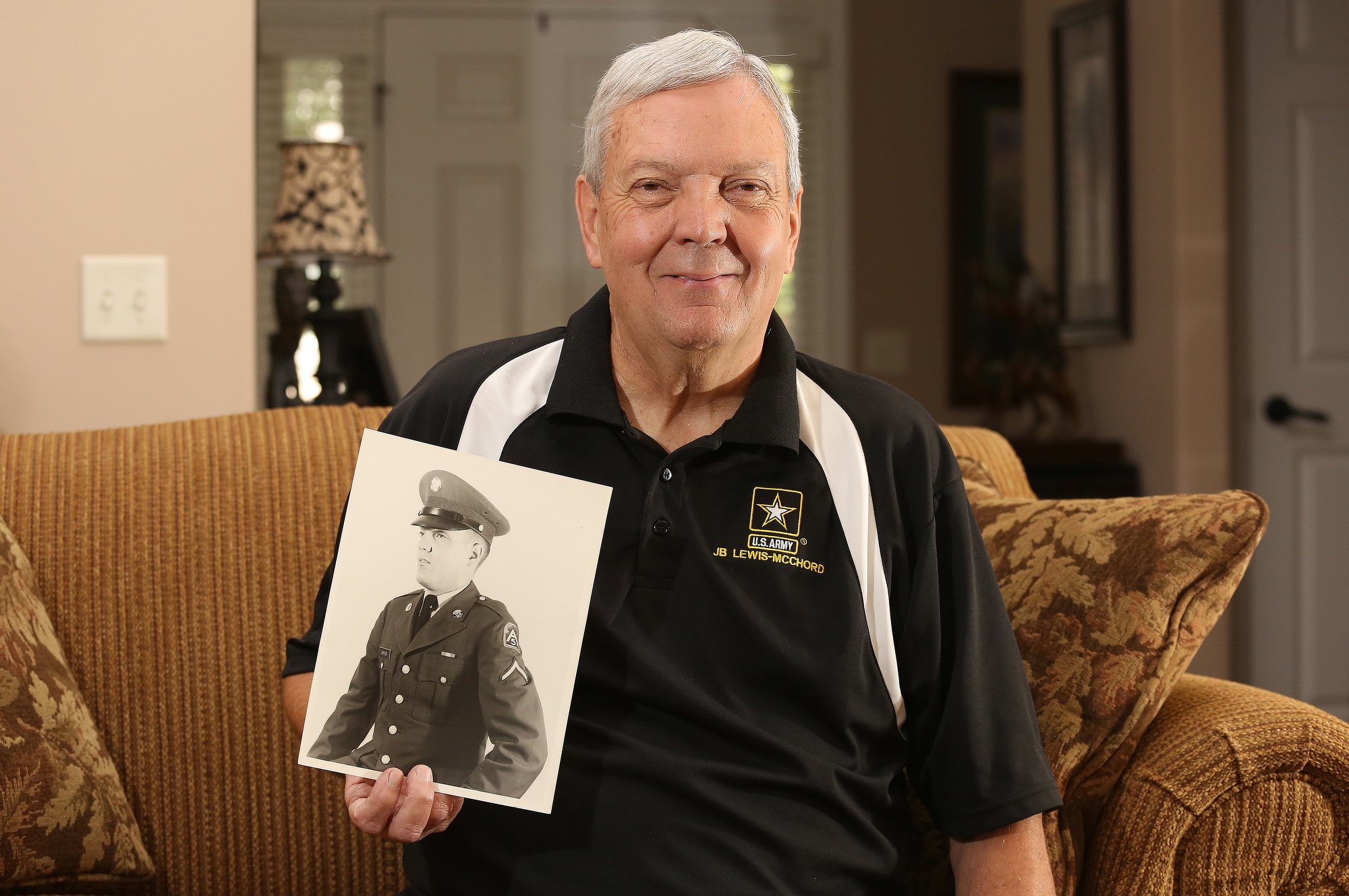
Drafted in 1966 as a 1-AO Conscientious Objector, U.S. Army Pvt. Garver was certain he would never return.
Garver, 73, was the son of a conscientious objector in World War II who served in the European and Asian theaters. So as a boy, he had heard nothing from his father, Gilbert Garver, about war as much as he heard about a commitment to faith and people and self-protection.
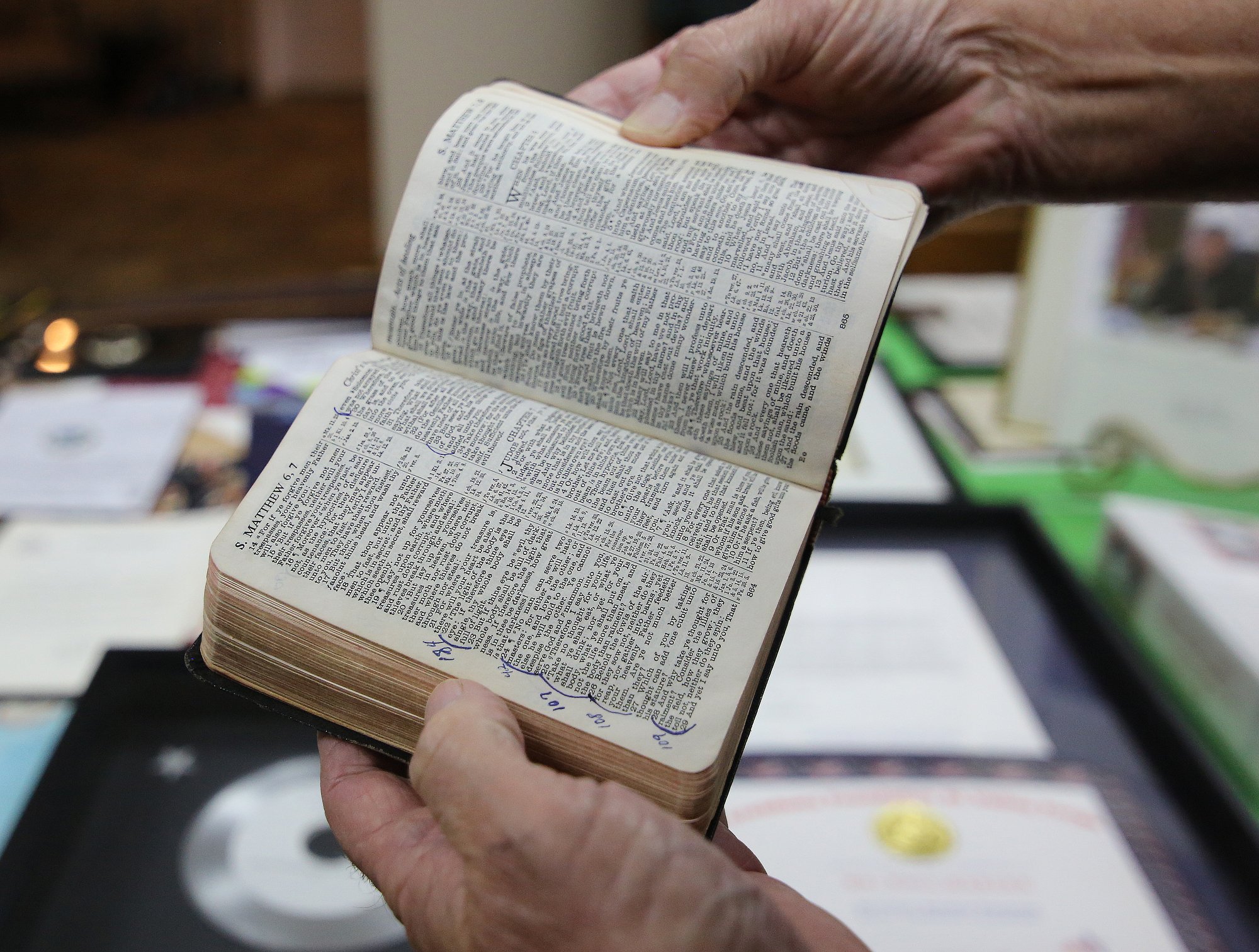
“It was a no-brainer. As soon as I got my draft papers to register, I registered as a conscientious objector,” Garver said recently at his Collegedale home. “In fact, I had to fill out some pretty stringent papers and justify my rationale. They were related to my faith.”
Garver and his wife, Betty, both still teens, moved from Texas to Denver, Colorado, so she could go to nursing school and he could work days at Samsonite and nights as a janitor at a local hospital.
But he knew he’d be drafted.
“Sure enough, I got my physical notice and I passed that, doggone it,” he said.
Garver headed for Fort Sam Houston for six weeks of basic training in 1966 – there was no combat training so basic for conscientious objectors was two weeks shorter. He wanted to become a medic.
In basic training, Garver was tapped to serve as acting-squad sergeant, performing his role so well he earned the American Honor Spirit Medal as the outstanding basic trainee of the cycle.
When medic training was over, “everybody was sitting around on pins and needles, you know, ‘who’s going to have to go to Vietnam?'” he recalled. “I think medics, we were definitely the primary target of the enemy. If you killed a medic, the morale of the rest of the troops goes to pot.”
About half his medic group was sent to Vietnam and Garver was sent to a new post hospital at Fort Leonard Wood in Missouri, and his wife moved so they could live and work together.
Then orders for Vietnam came.
“I remember calling my wife from San Francisco,” Garver said, his voice growing tighter with the memory. “I called her up from the pay phone and said, ‘Hey, babe. You have a great life. I’m sure you’ll never see me again, but have a good time and I’ll see you in heaven.'”
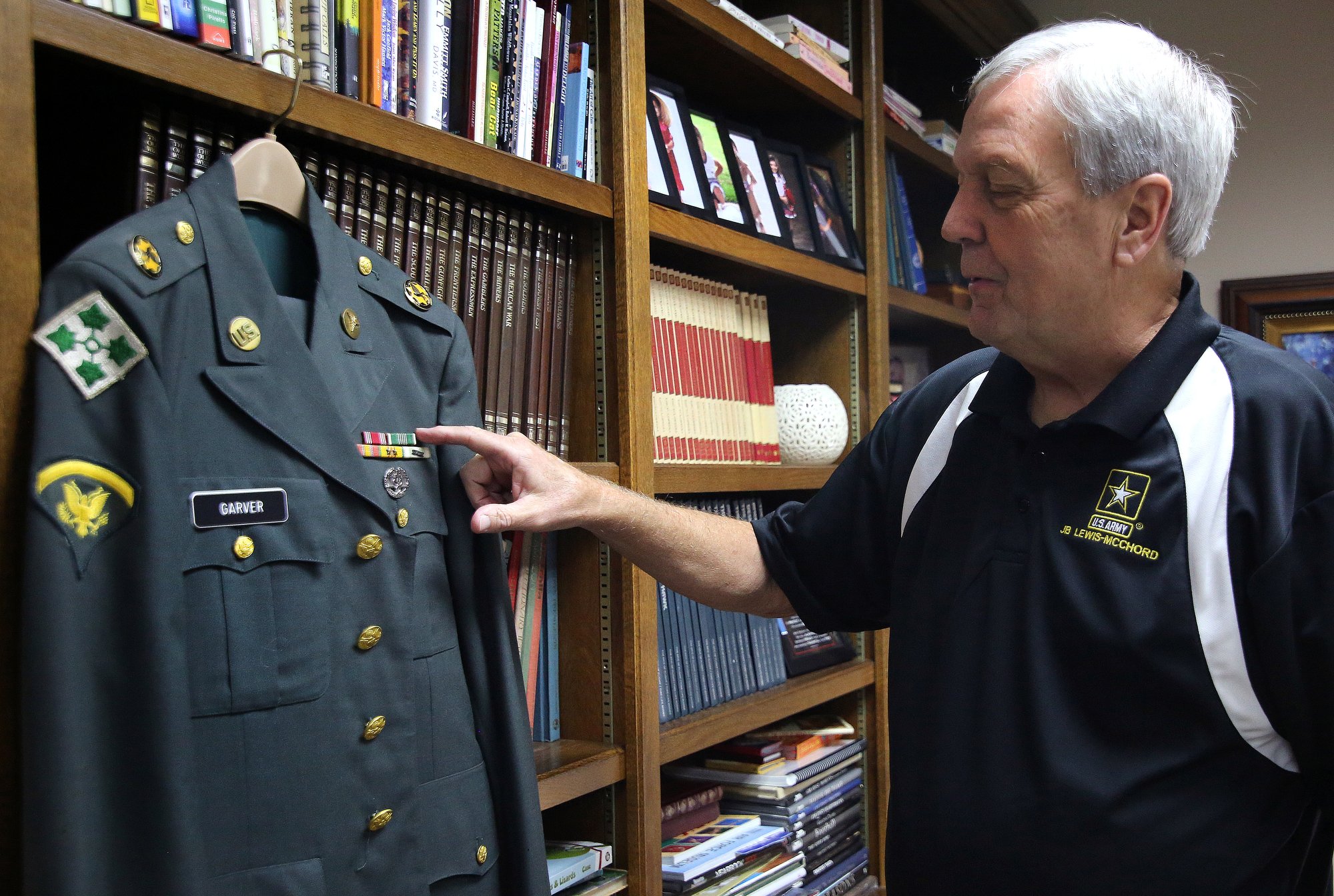
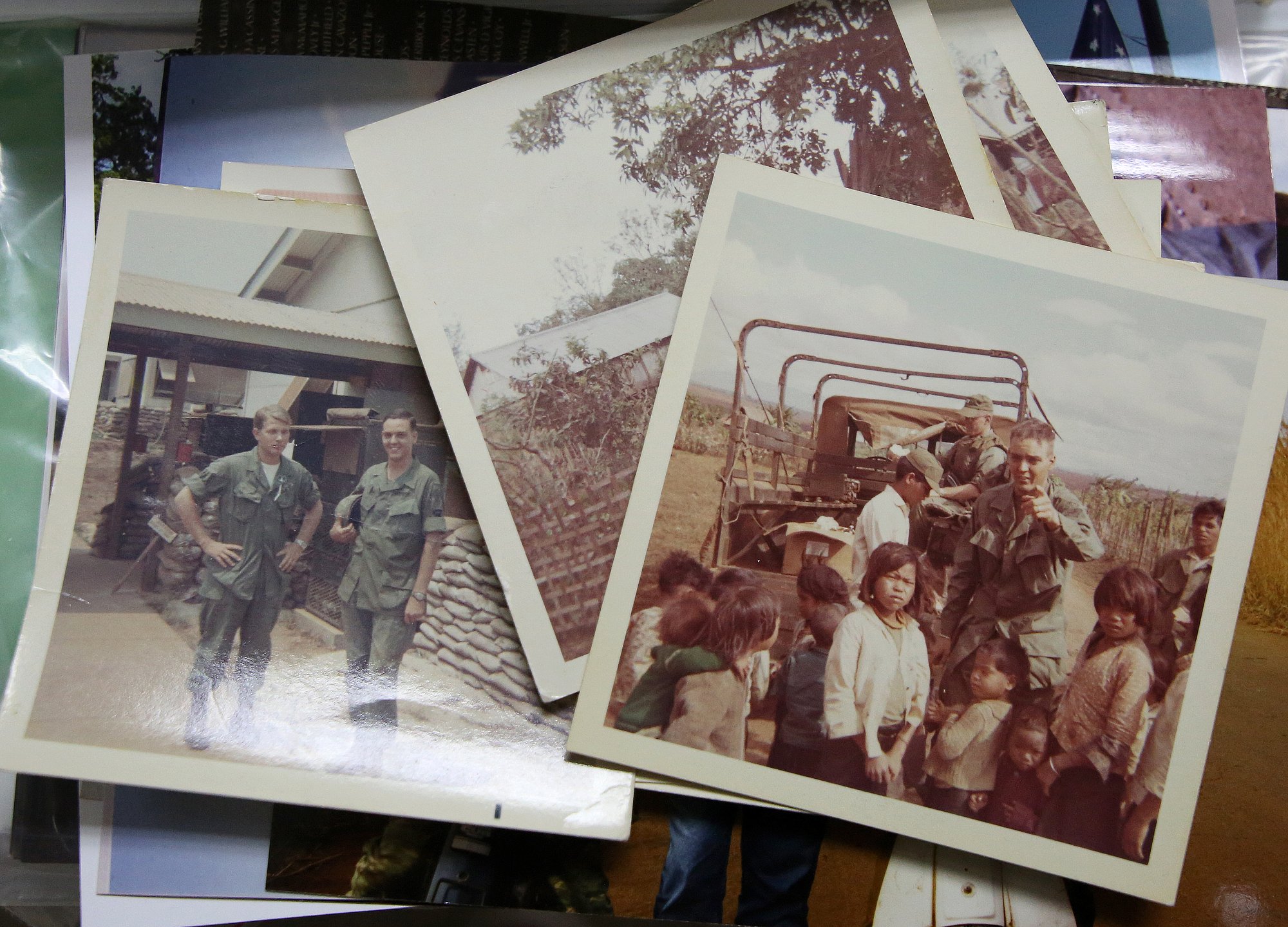
Garver was assigned as a combat medic with the 2/1st Cavalry Headquarters Troop attached to the 4th Infantry Division near Pleiku in the Central Highlands of South Vietnam, serving as assistant to the medical operations officer and senior aid from September 1967 to September 1968, and earning the Army Commendation Medal.
Garver was promoted to E-5 after 14 months of active duty and following the 1968 Tet Offensive, was given an “early out” to go to college.
Like his father, Garver didn’t talk much about the carnage of war. He talked about his faith in God, the strength it gave him, how he was inspired by the acts and courage of others.
But of the three men sent to Vietnam from Garver’s hometown of Keene, Texas, he was the only one to see his family again. Many fellow medics didn’t come home.
It haunts him.
Visits to the Vietnam Memorial Wall make for the “most sobering moments of my life,” he said. “Asking myself and God, ‘Why isn’t my name on that wall?’
“When you stand there knowing that of 38 medics in my outfit that year, 19 of them were killed. My friends. Over half. ‘Why isn’t my name on that wall?’ still makes me want to live a good life for them,” he said, breaking down, “because I have no clue why I was allowed to continue to live and they weren’t.
“They didn’t deserve to die.”
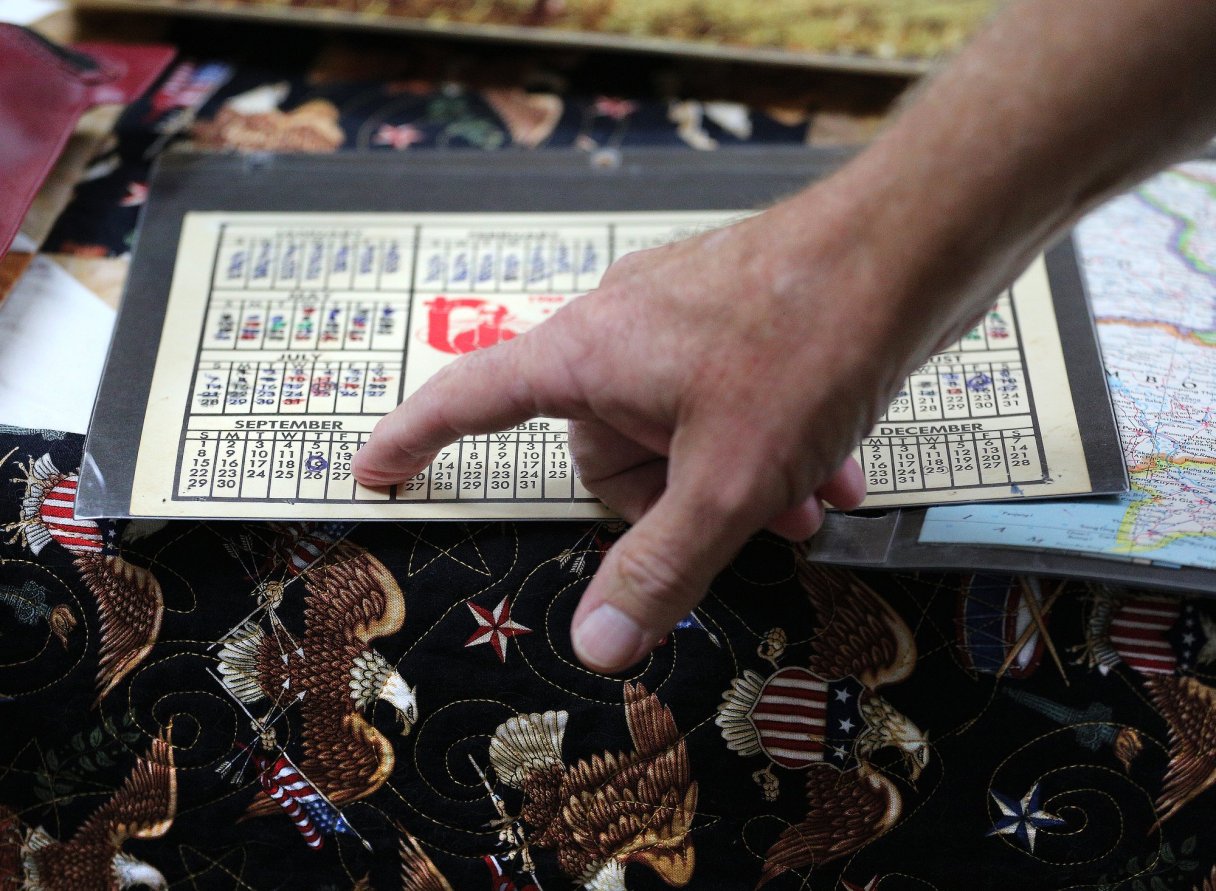
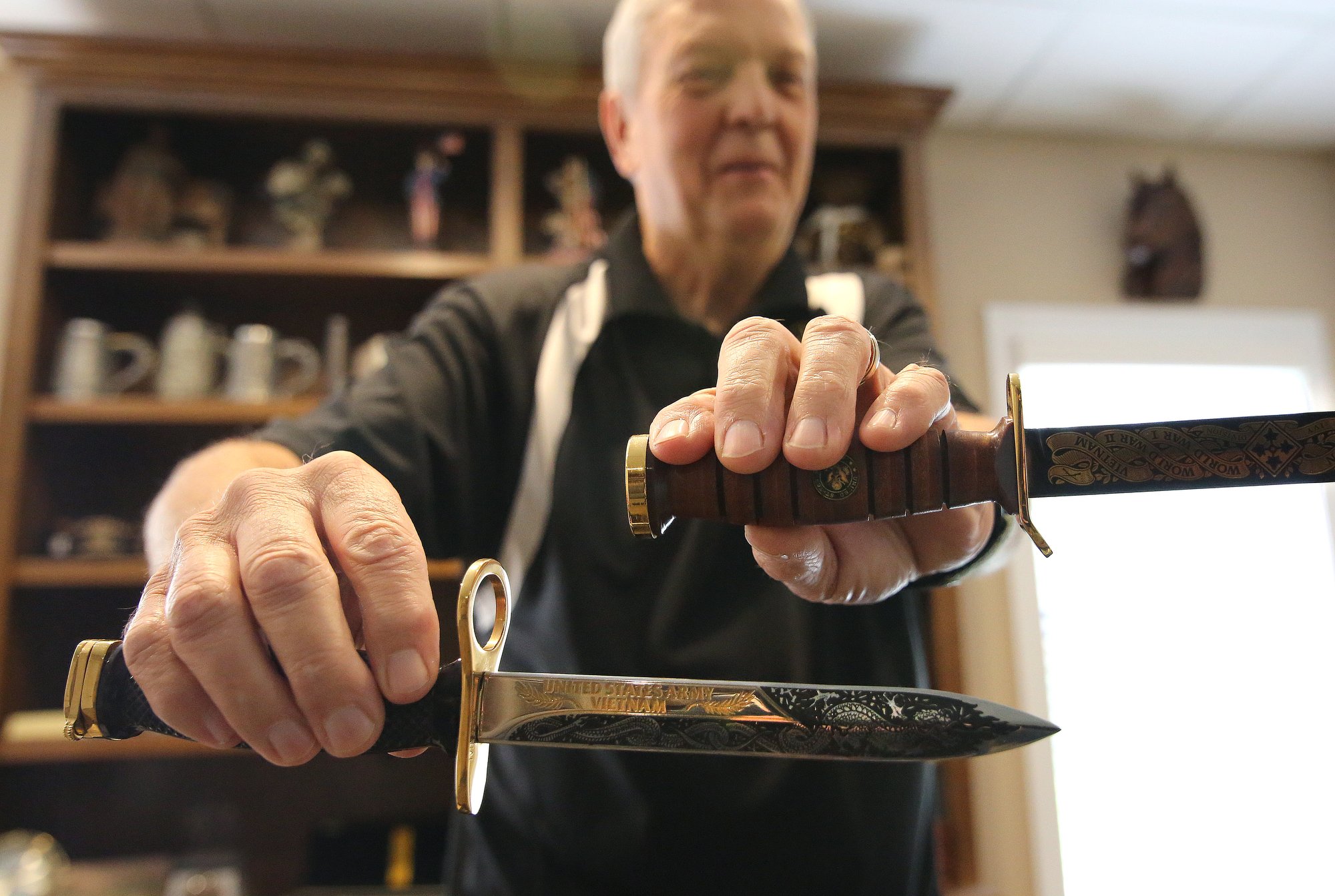
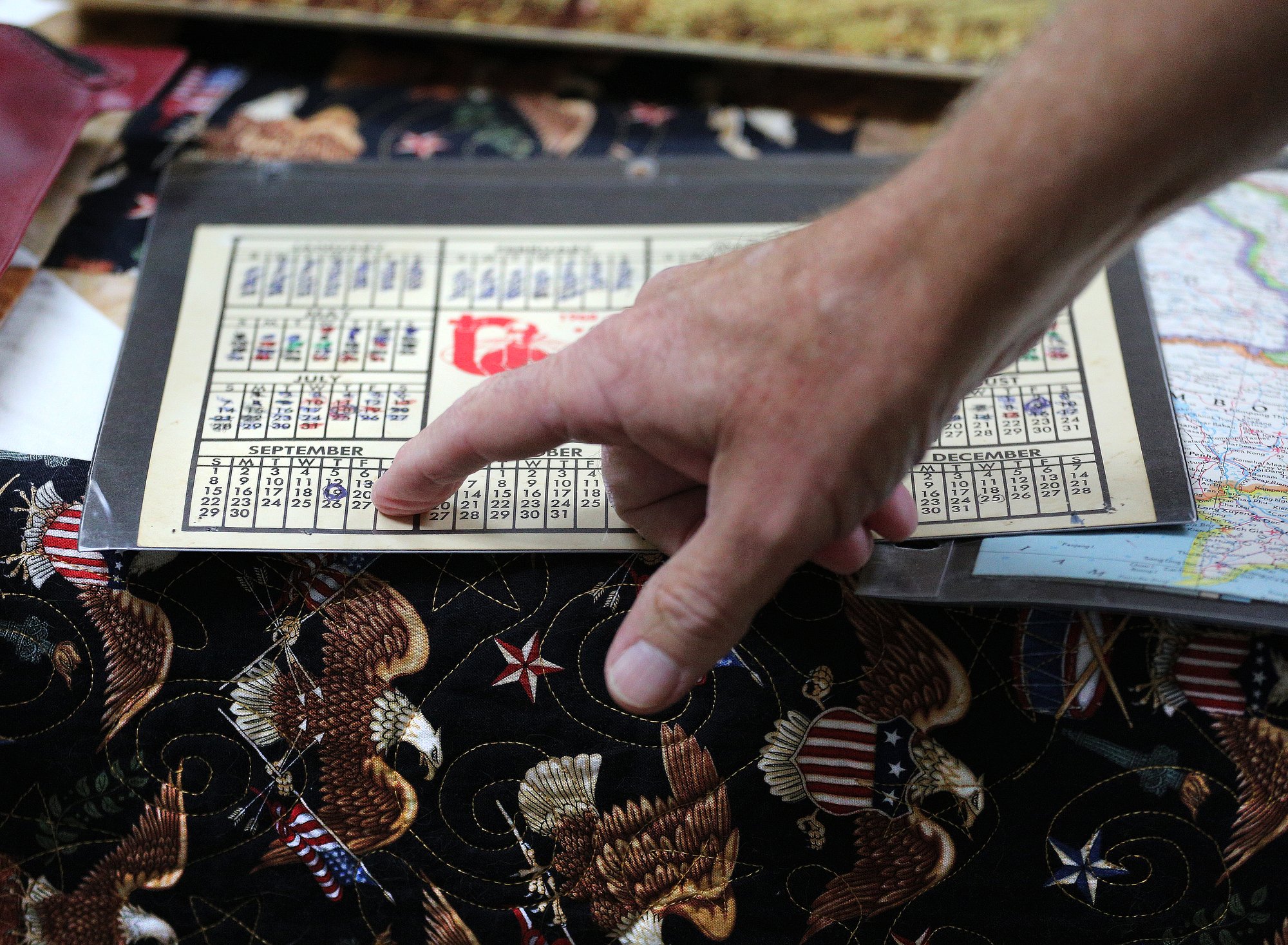
But scanning a large table piled with his military memories, Garver somberly reflected; “The journey’s been phenomenal.”
Contact staff writer Ben Benton at bbenton@timesfreepress.com or 423-757-6569. Follow him on Twitter @BenBenton or at www.facebook.com/benbenton1.