
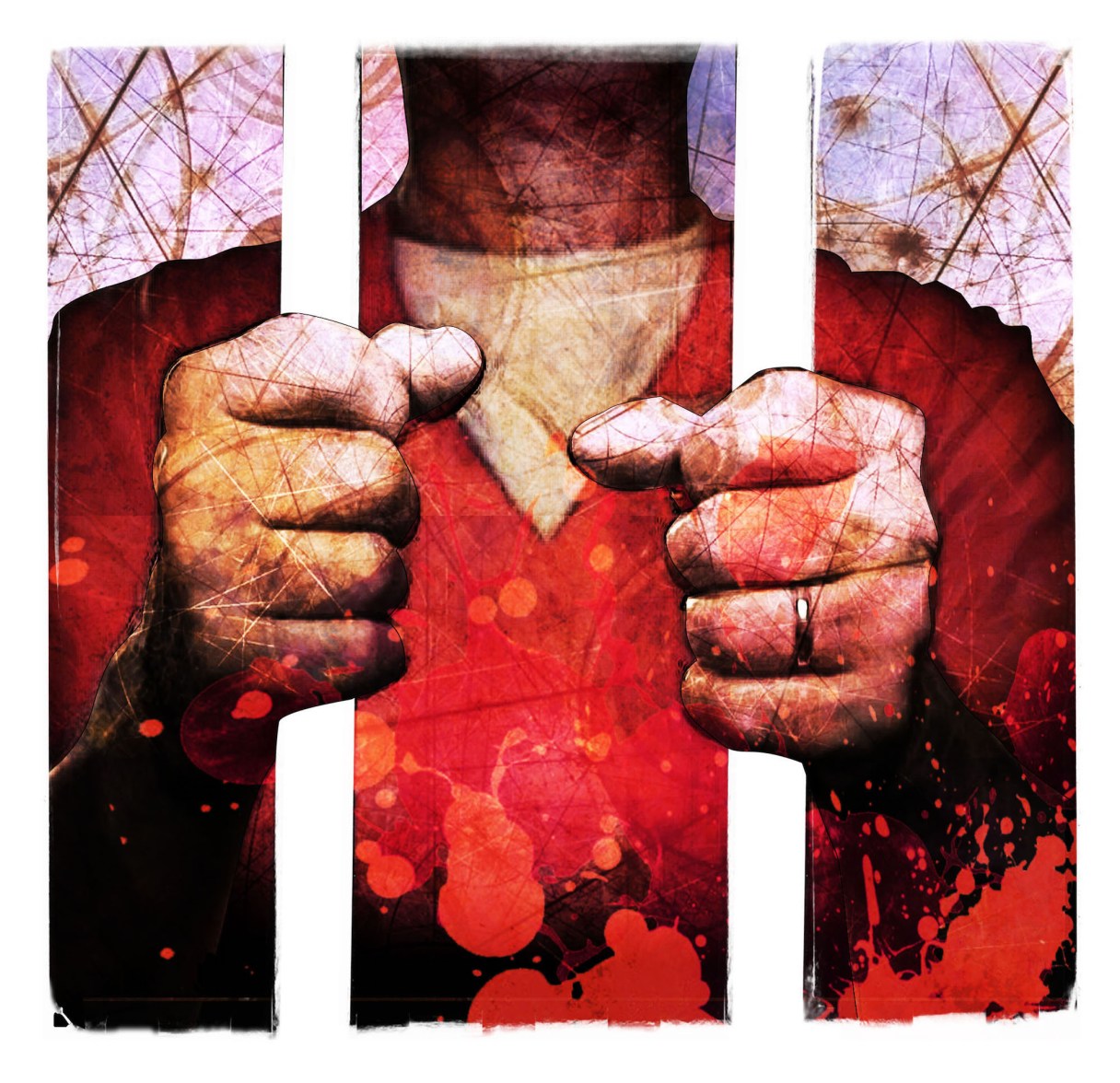
Imagine working 12-hour shifts with mandatory, weekly overtime, in an environment where you are constantly taunted and threatened, where at any moment you may be punched or stabbed with a home-made knife. For this labor you are paid $9 an hour, competitive with a nearby Walmart. You are working as an unarmed guard or “corrections officer” in a privately-operated prison in Louisiana. Your pay will only increase if you are promoted to a higher position. Turnover is high. The prison is chronically understaffed.
This was the status of Shane Bauer, an investigative reporter for Mother Jones magazine, as he began a four-month, undercover job as a corrections officer at Winn Correctional Center in northern Louisiana. “American Prison: A Reporter’s Undercover Journey into the Business of Punishment” presents his harrowing experiences alongside a history of how prisoners in the U.S. have been used for private profit.
Winn housed more than 1,500 male prisoners in five units. Units were divided into 44-person dormitories, each with a small common room, TV room, two toilets, two showers and two sinks. Each unit featured a small hobby shop and enclosed basketball court. A passageway linked each unit to a shared canteen, gym, dining hall, infirmary, visitation space and a garment factory. One unit housed elderly and mentally unstable prisoners. The private company managing the prison received $34 per prisoner per day. Its successor received $24 per prisoner per day.
On-site training for new officers consisted of four weeks of classes and mentoring by staff as they made their rounds. Classes might be canceled for lack of teachers. Similar shortages of personnel lead to frequent cancelation of constructive activities for prisoners.
Duty for officers consisted of frequent rounds. Periodic searches produced illicit cell phones and, sometimes, crudely fashioned weapons. Prisoners might alternate between hurling insults and efforts to coax officers into personal relationships.
Suicide-watch consisted of placement in a cell with no clothing, mattress, or reading material and subsistence on an inadequate diet.
One prisoner expressed suicidal intent. Instead of placement in a solitary cell with close monitoring by a corrections officer, he was transferred to a two-person cell shared with a severely mentally ill man. Half-hourly monitoring of the cell did not occur. Eventually the elderly man attracted attention by shouting and beating on the bars of the cell while he tried to support his younger cellmate who had hanged himself from a noose fashioned from a bedsheet. The unconscious man was transferred to a community hospital where he died.
When violence threatened, units were placed on lock-down. A company-sponsored Special Operations Response Team, sometimes backed by officers from the state Department of Corrections, descended on Winn. Tear gas and pepper bullets were liberally used to restore order.
Ratified in 1865, the 13th Amendment to the Constitution states, “Neither slavery nor involuntary servitude, except as a punishment for crime whereof the party should have been duly convicted, shall exist within the United States.” Shortly after the Civil War ended, counties and states, predominantly in the South, found ways around this restriction. Prisoners, who were predominantly poor and black, could be leased to plantation owners or companies operating mines or building railroads. Leased prisoners often lived in appalling conditions and were subjected to barbaric punishments if their work was unsatisfactory.
In some instances, a state might operate its own plantation or garment factory, bringing in substantial revenues to the state’s treasury. Other states used chain-gangs of prisoners to maintain roads and bridges.
Courts eventually banned many of those practices. Private companies moved in to operate state and county prisons with the promise to spare taxpayers the expense of incarceration. Shane Bauer’s narrative exposes the resulting injustices and inhumanities.
“American Prison” is a painful but necessary book.
Contact Clif Cleaveland, a retired internist and former president of the American College of Physicians, at ccleaveland@timesfreepress.com.