
Wednesday, November 11, 2026Nov 11

Gum, bottled water, pizza bagels want to be called ‘healthy’

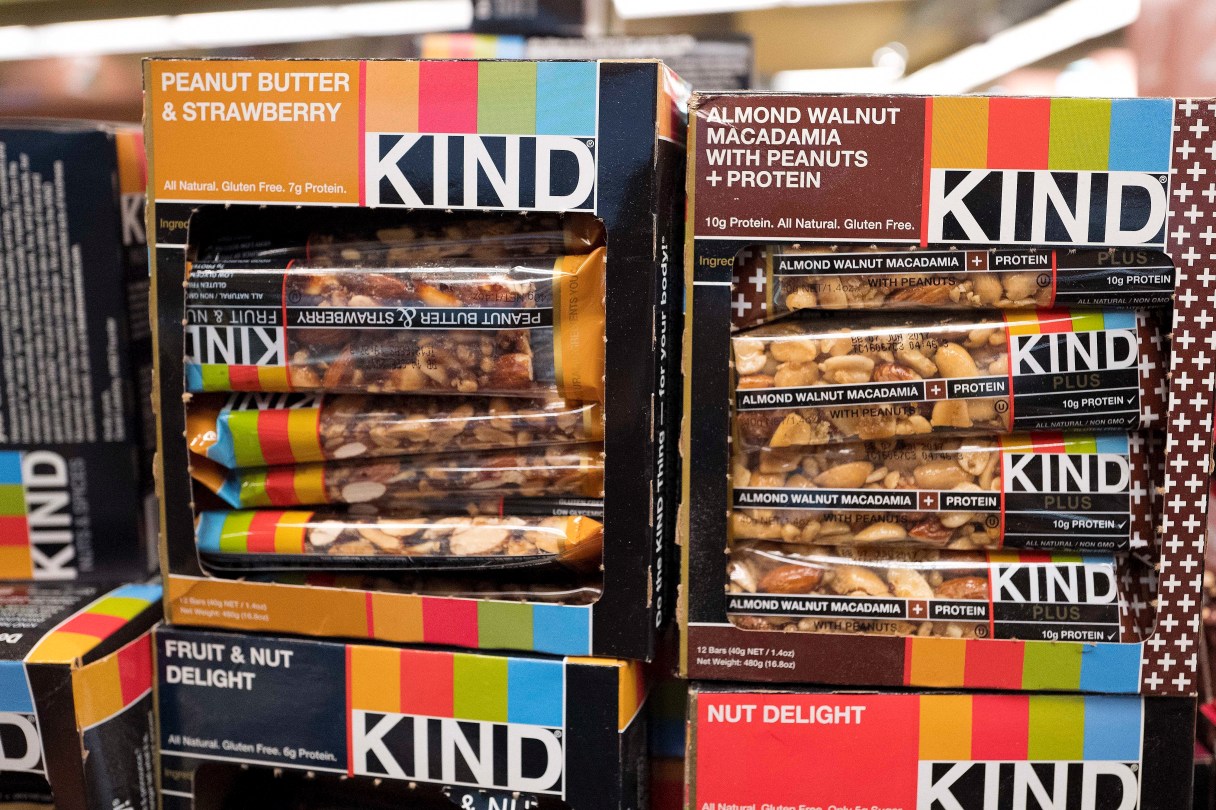
FILE - This Feb. 9, 2017, file photo shows Kind snack bars on display at a supermarket in New York. The government’s definition of healthy came under scrutiny in late 2015, when the FDA warned Kind that its snack bars had too much fat to use the term. Kind pushed back, saying the fat came from nuts. (AP Photo/Mark Lennihan, File)
FILE - This Feb. 9, 2017, file photo shows Kind snack bars on display at a supermarket in New York. The government’s definition of healthy came under scrutiny in late 2015, when the FDA warned Kind that its snack bars had too much fat to use the term. Kind pushed back, saying the fat came from nuts. (AP Photo/Mark Lennihan, File) FILE - This Feb. 9, 2017, file photo shows Kind snack bars on display at a supermarket in New York. The government’s definition of healthy came under scrutiny in late 2015, when the FDA warned Kind that its snack bars had too much fat to use the term. Kind pushed back, saying the fat came from nuts. (AP Photo/Mark Lennihan, File)

NEW YORK – Pizza bagels, chewing gum and bottled water want to play a starring new role in our diets: Foods that can be called healthy.

The U.S. Food and Drug Administration is revamping its definition of healthy to reflect our changing understanding of nutrition science. The push is fueling debate about eating habits and what the new standard should say.

Frozen food-makers are seeking special rules for “mini meals,” citing little pizza bagels and dumplings as examples that might qualify. Chewing gum and bottled water companies say they should no longer be shut out from using the term just because their products don’t provide nutrients. Advocacy groups and health professionals are also weighing in, raising concerns about ingredients such as sugar.

Some say the word healthy is inherently misleading when applied to a single product instead of an overall diet.

“The problem is that healthy is relative,” said Bruce Y. Lee, a professor of international health at Johns Hopkins. Subsisting on broccoli alone, for instance, wouldn’t be healthy.