
Thursday, October 29, 2026Oct 29

This story is free to read.

Face recognition researcher fights Amazon over biased AI

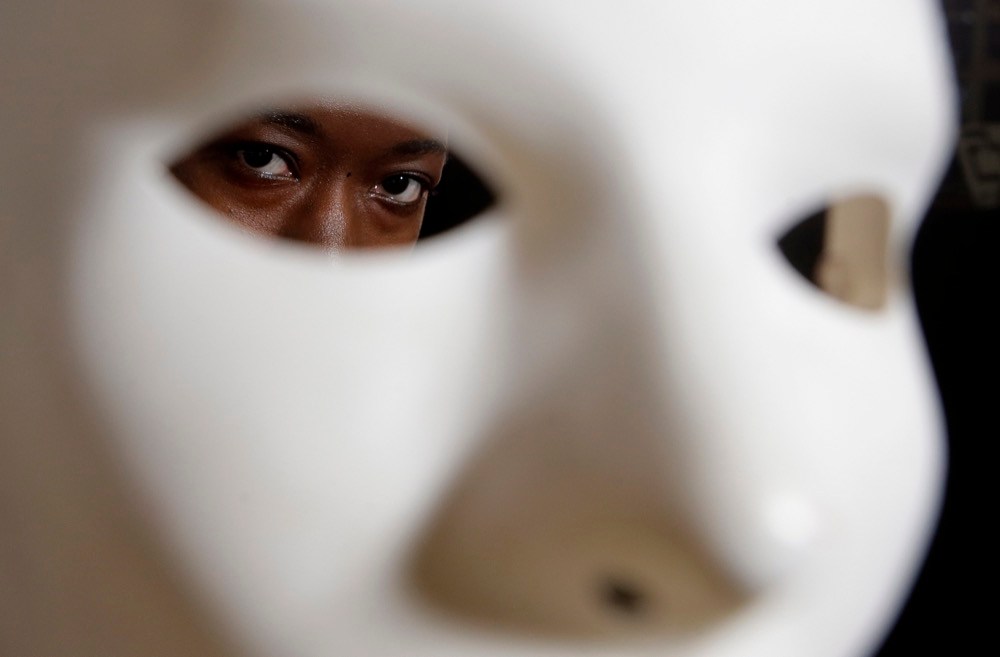
In this Wednesday, Feb. 13, 2019, photo, Massachusetts Institute of Technology facial recognition researcher Joy Buolamwini stands for a portrait behind a mask at the school, in Cambridge, Mass. Buolamwini's research has uncovered racial and gender bias in facial analysis tools sold by companies such as Amazon that have a hard time recognizing certain faces, especially darker-skinned women. Buolamwini holds a white mask she had to use so that software could detect her face. (AP Photo/Steven Senne)
In this Wednesday, Feb. 13, 2019, photo, Massachusetts Institute of Technology facial recognition researcher Joy Buolamwini stands for a portrait behind a mask at the school, in Cambridge, Mass. Buolamwini's research has uncovered racial and gender bias in facial analysis tools sold by companies such as Amazon that have a hard time recognizing certain faces, especially darker-skinned women. Buolamwini holds a white mask she had to use so that software could detect her face. (AP Photo/Steven Senne) In this Wednesday, Feb. 13, 2019, photo, Massachusetts Institute of Technology facial recognition researcher Joy Buolamwini stands for a portrait behind a mask at the school, in Cambridge, Mass. Buolamwini's research has uncovered racial and gender bias in facial analysis tools sold by companies such as Amazon that have a hard time recognizing certain faces, especially darker-skinned women. Buolamwini holds a white mask she had to use so that software could detect her face. (AP Photo/Steven Senne)

CAMBRIDGE, Mass. (AP) – Facial recognition technology was already seeping into everyday life – from your photos on Facebook to police scans of mugshots – when Joy Buolamwini noticed a serious glitch: Some of the software couldn’t detect dark-skinned faces like hers.

That revelation sparked the Massachusetts Institute of Technology researcher to launch a project that’s having an outsize influence on the debate over how artificial intelligence should be deployed in the real world.

Her tests on software created by brand-name tech firms such as Amazon uncovered much higher error rates in classifying the gender of darker-skinned women than for lighter-skinned men.

Along the way, Buolamwini has spurred Microsoft and IBM to improve their systems and irked Amazon, which publicly attacked her research methods. On Wednesday, a group of AI scholars, including a winner of computer science’s top prize, launched a spirited defense of her work and called on Amazon to stop selling its facial recognition software to police.

Her work has also caught the attention of political leaders in statehouses and Congress and led some to seek limits on the use of computer vision tools to analyze human faces.