
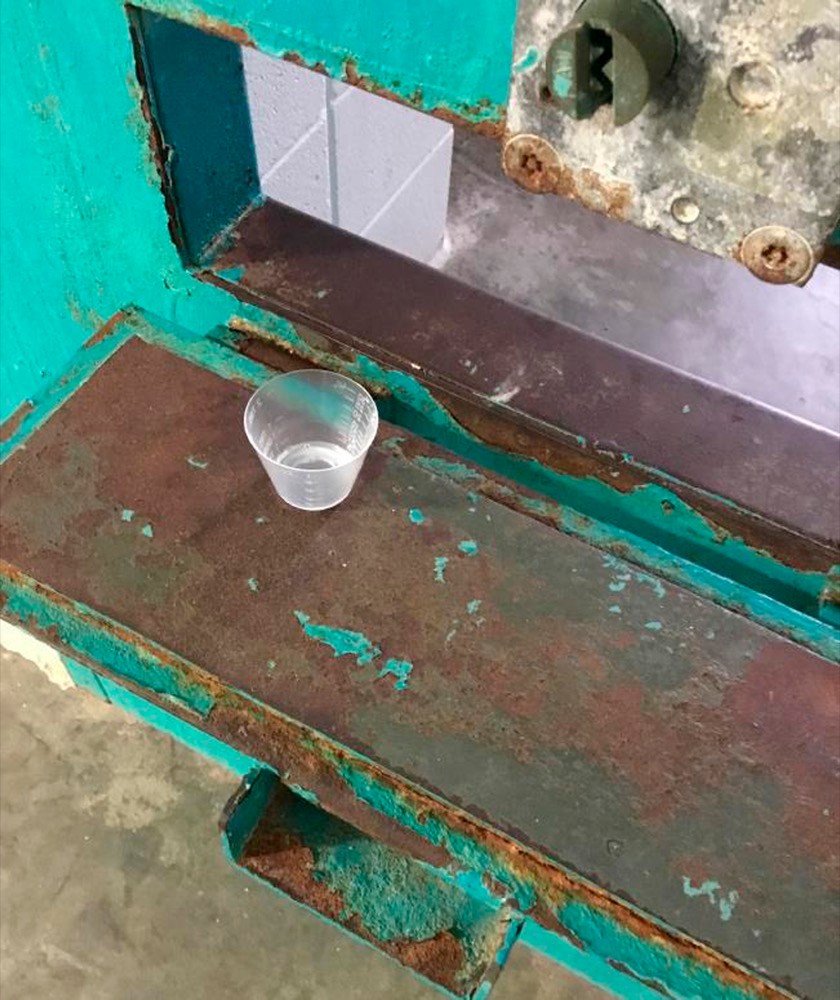
ATLANTA (AP) – Prolonged solitary confinement and harrowing conditions at a Georgia jail result in a substantial risk of serious psychological harm for mentally ill women held there, a federal lawsuit says.
Urine and toilet water pool on the floor of cells and meals of moldy sandwich meat are not uncommon at the South Fulton Municipal Regional Jail in Union City, the lawsuit filed Wednesday says. Lawyers have observed women in psychological distress lying on the floor, their bodies and the walls of their cells smeared with feces or food.
The women are subjected to harmful long-term isolation and those deemed incompetent to stand trial are denied mental health treatment provided to jailed men with similar mental health problems, the lawsuit filed against Fulton County Sheriff Theodore Jackson and four jail officials says.
Sheriff’s office spokeswoman Tracy Flanagan declined to comment, citing the pending litigation.
Because of the policies and practices in place at the jail and the unsanitary conditions, mentally ill women held there “continue to face a substantial risk of serious psychological harm and indeed to suffer such harm on a regular basis,” the lawsuit says.