
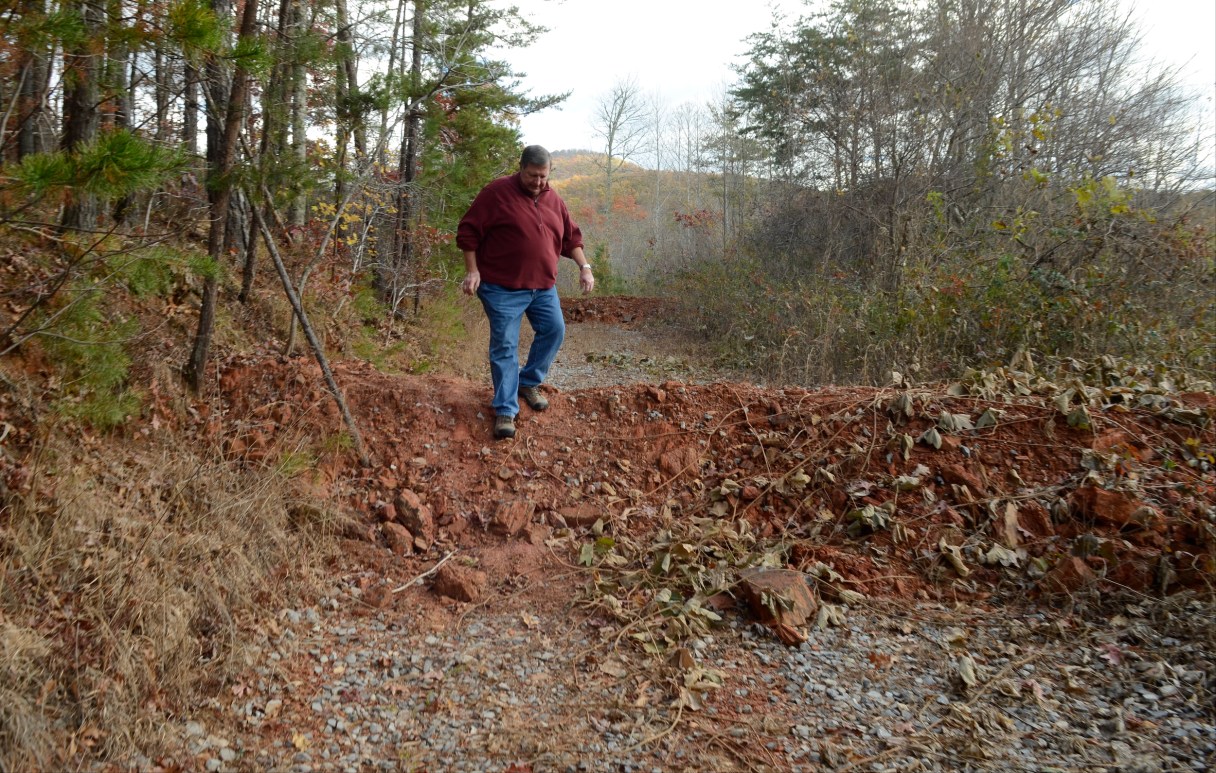


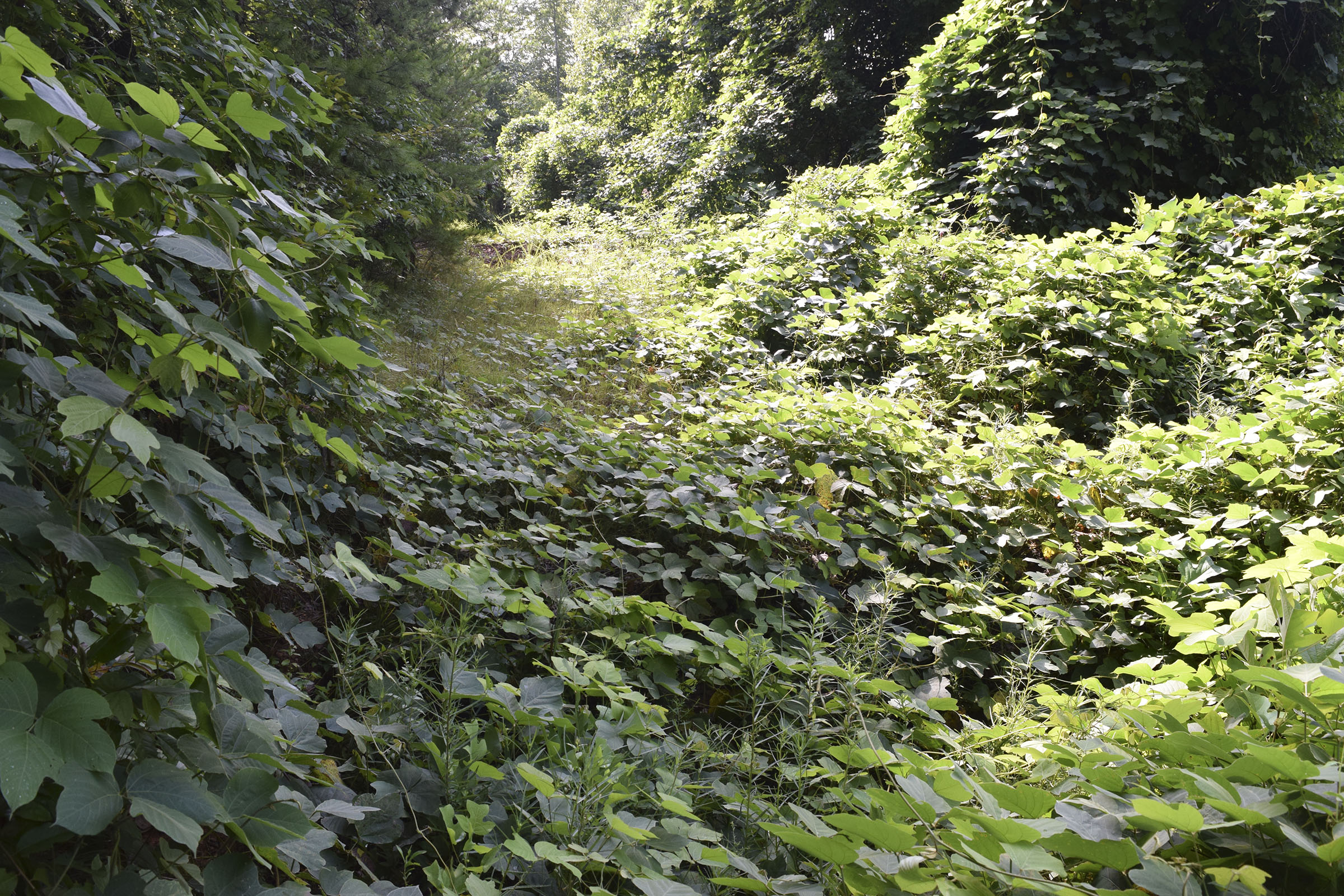


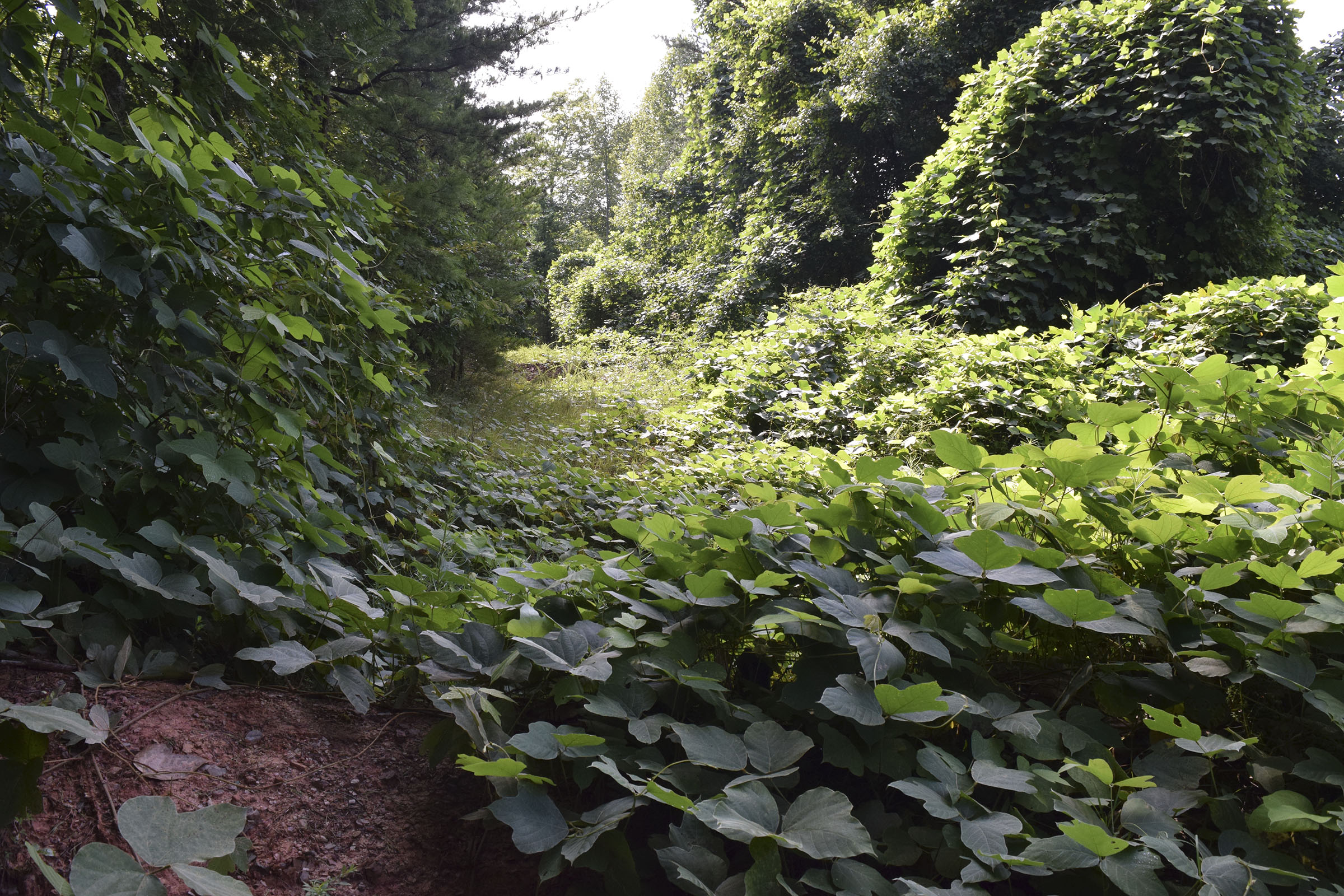

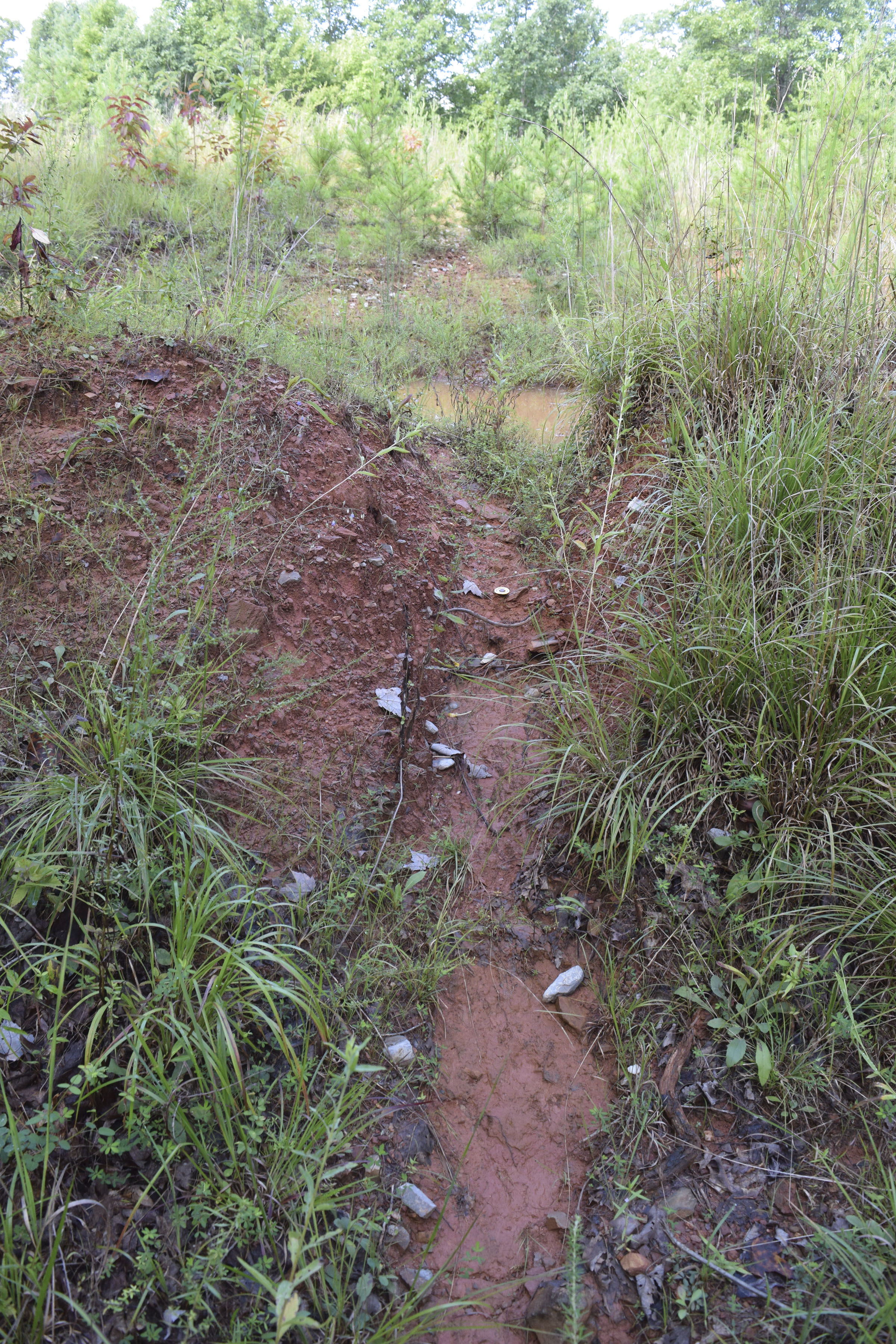


COKER CREEK, Tenn. – Damage done in 2014 by the U.S. Forest Service to a section of the Trail of Tears in Monroe County, Tennessee, still has not been repaired, but federal officials say a fix is in the works.
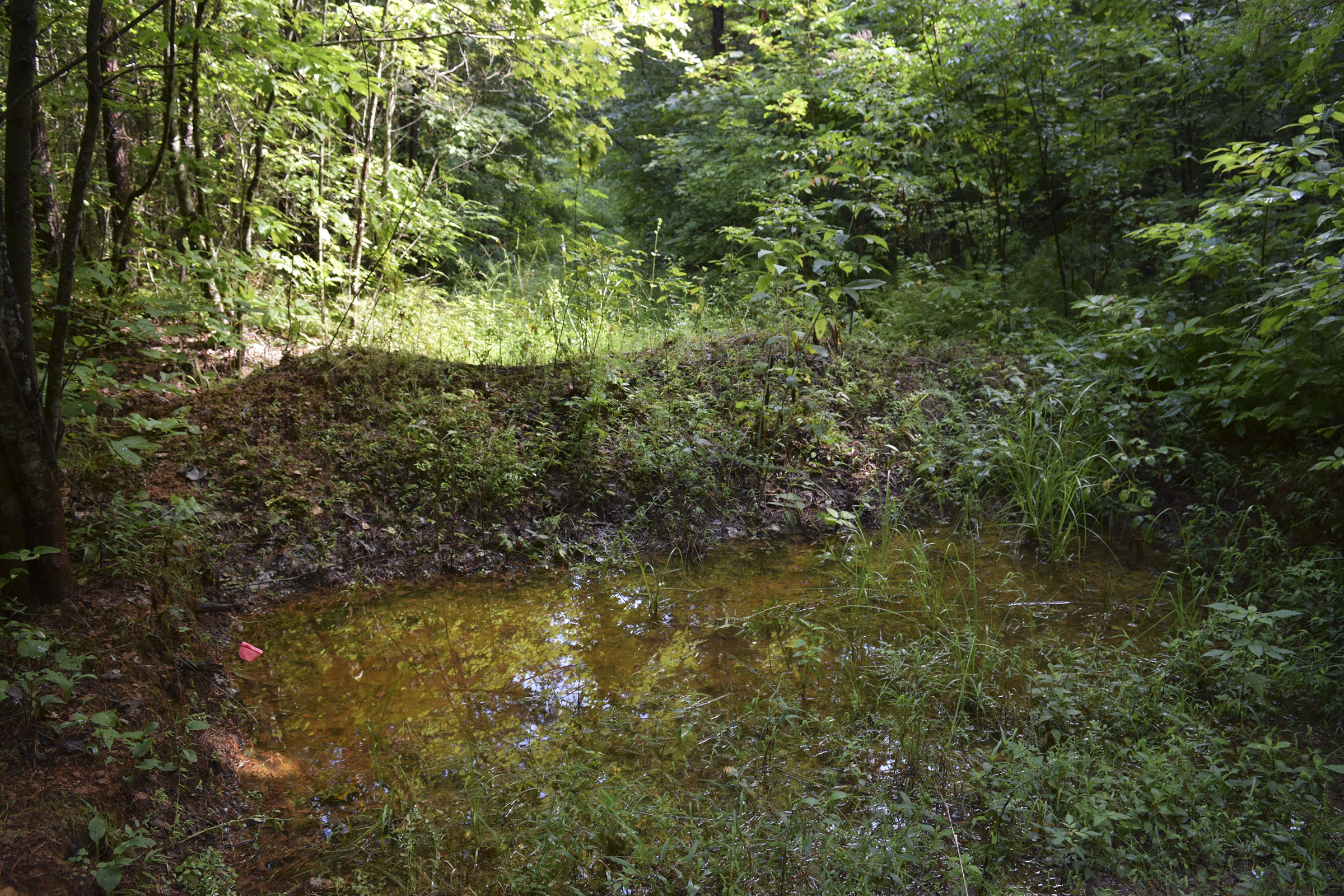
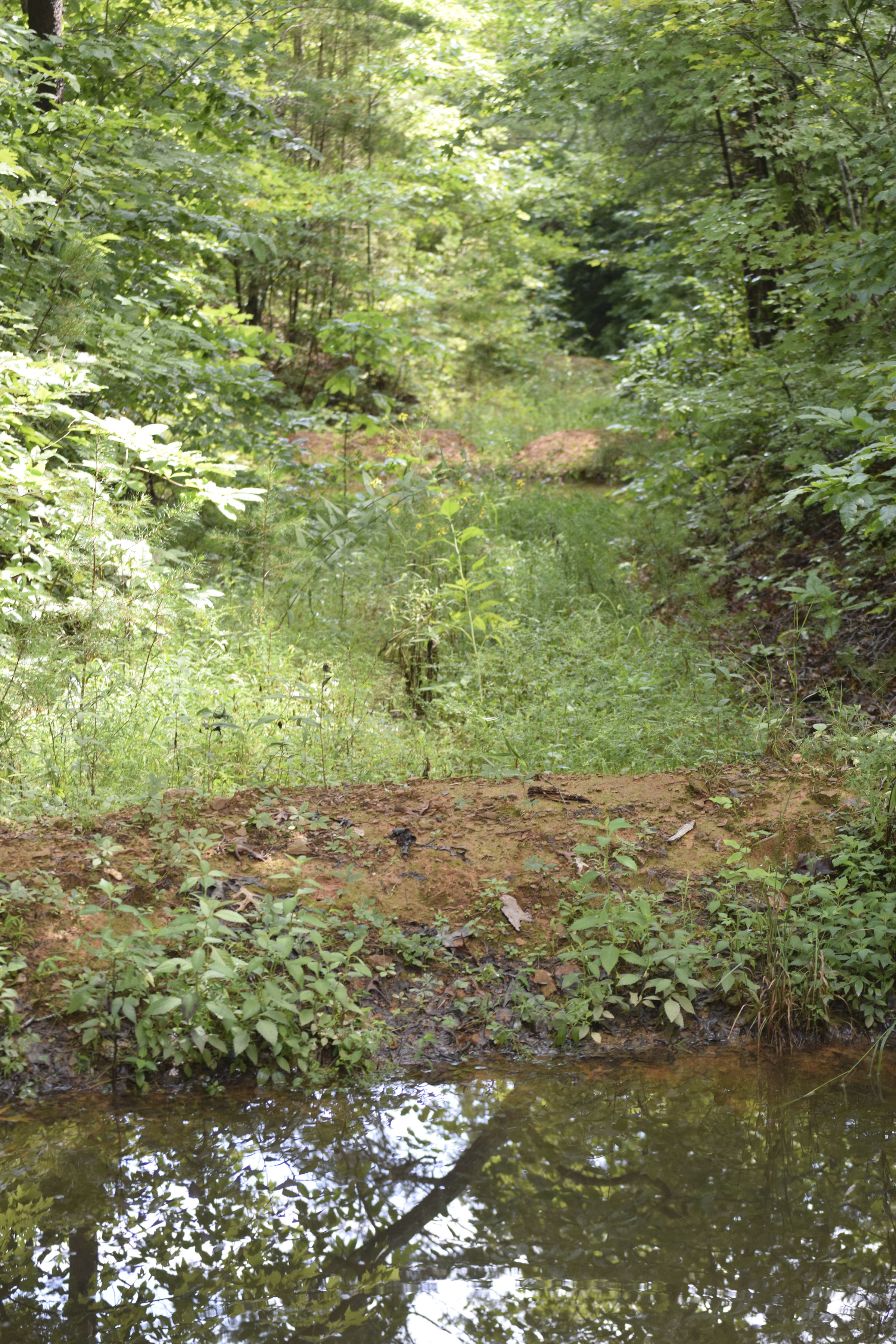
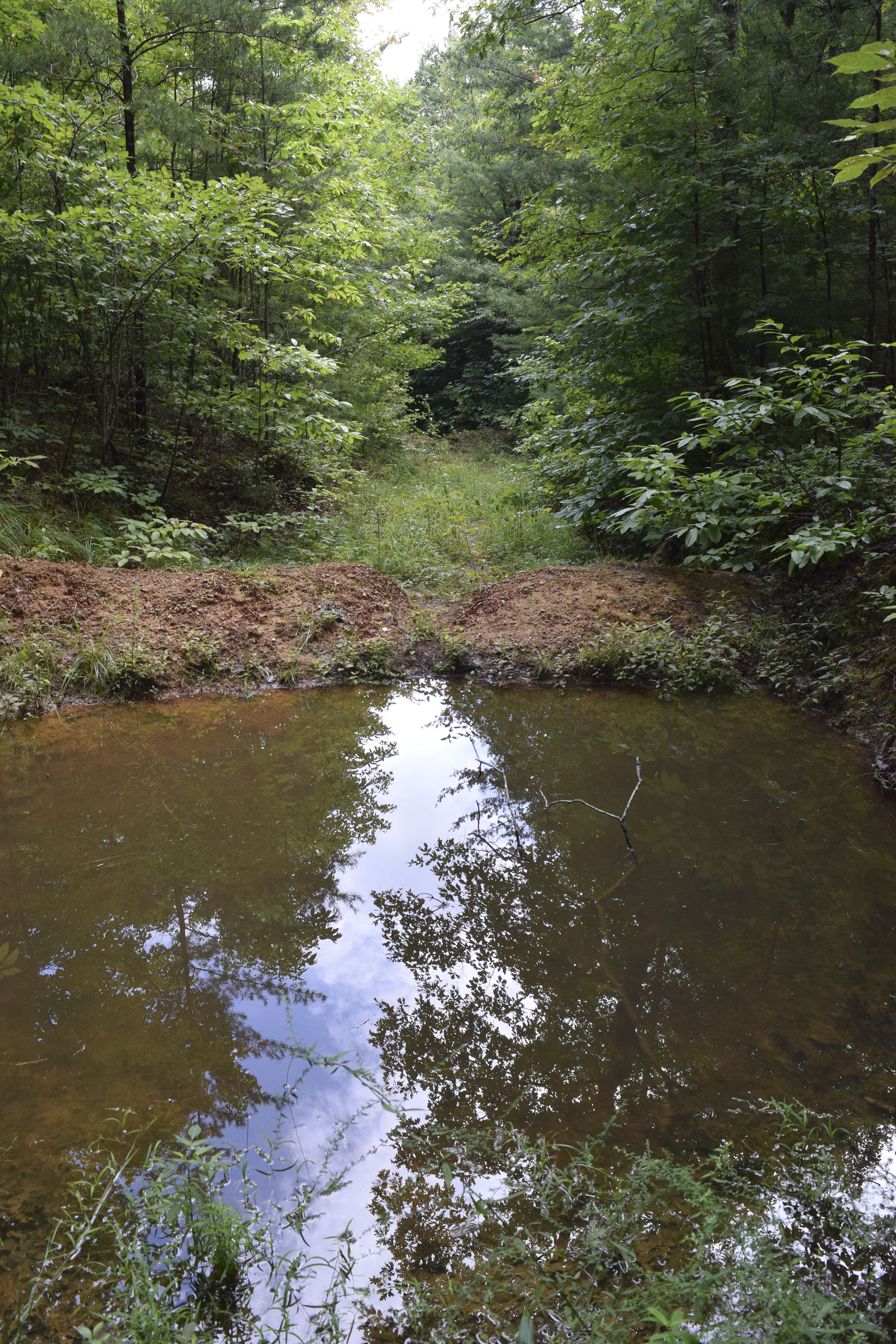
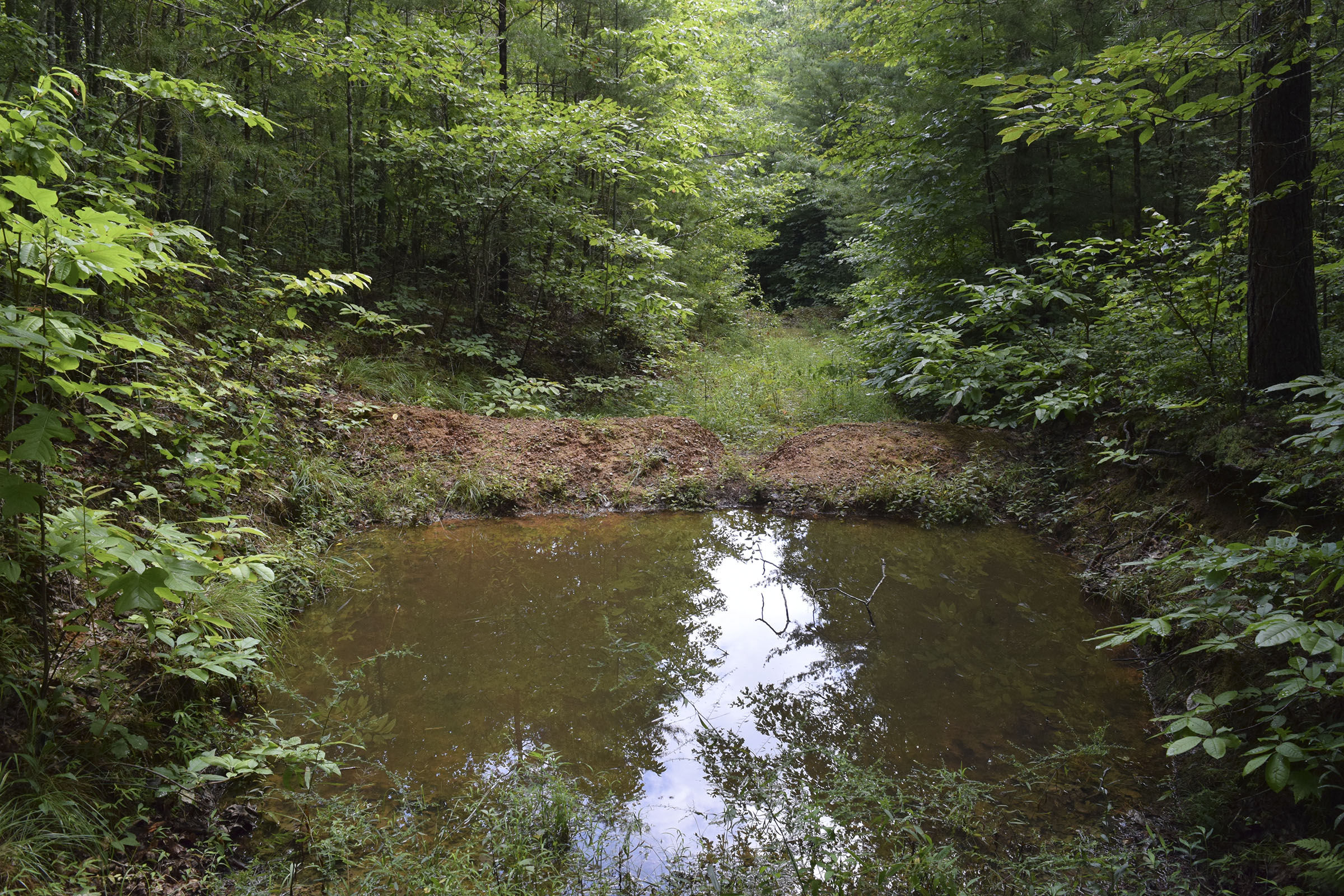
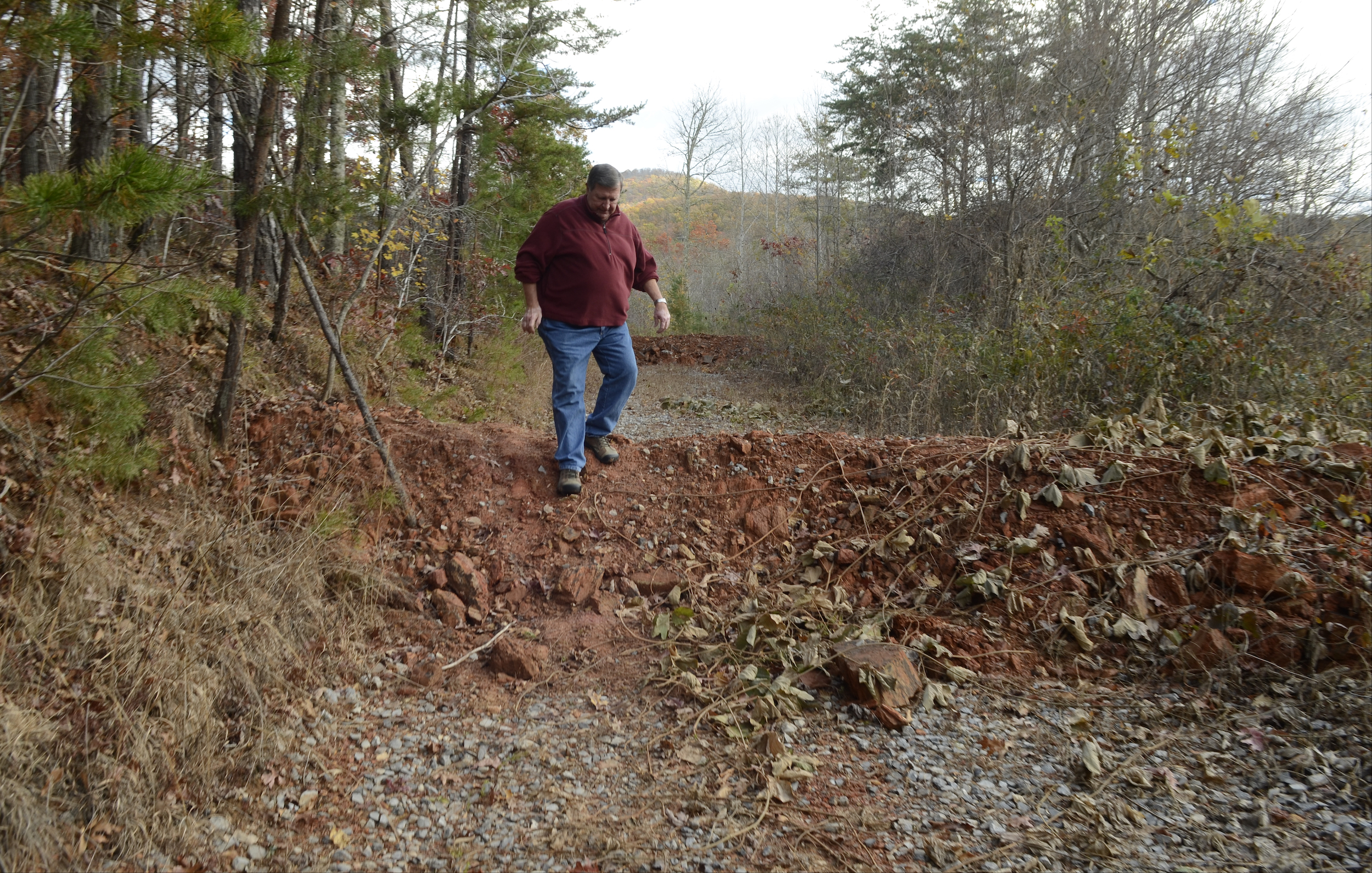
In 2016, Forest Service officials admitted agency crews built as many as 35 earthen berms in 2014 to control erosion and discourage off-road vehicles along a little under a mile of the Trail of Tears that amounted to a “terrible error,” Southern Region U.S. Forest Service regional forester Tony Tooke said three years ago. On the far side of many of the berms – ranging from 2-4-feet high – equally deep “tank traps” were built to stop vehicles from being able to cross the berms.
Bonnie Marie Morris, a Coker Creek, Tennessee, resident who lives near the Trail of Tears/Unicoi Turnpike area, is fuming that the Forest Service hasn’t fixed the damage in more than five years.
Morris visited the site in May, noting “it appears that absolutely nothing has been done to rectify the damage to the Trail of Tears section near the Unicoi Turnpike.”
“I’d like to be able to walk the Trail like it was before the damage,” Morris said. “It is the right of any American Indian, or anyone else who has the desire to show their respect for the men, women, and children who had to walk that trail on their way to Oklahoma.