
SAVANNAH, Ga. (AP) – A 160-year-old church believed to be the oldest black church in the United States and built by enslaved Africans has been restored to a version of its former glory.
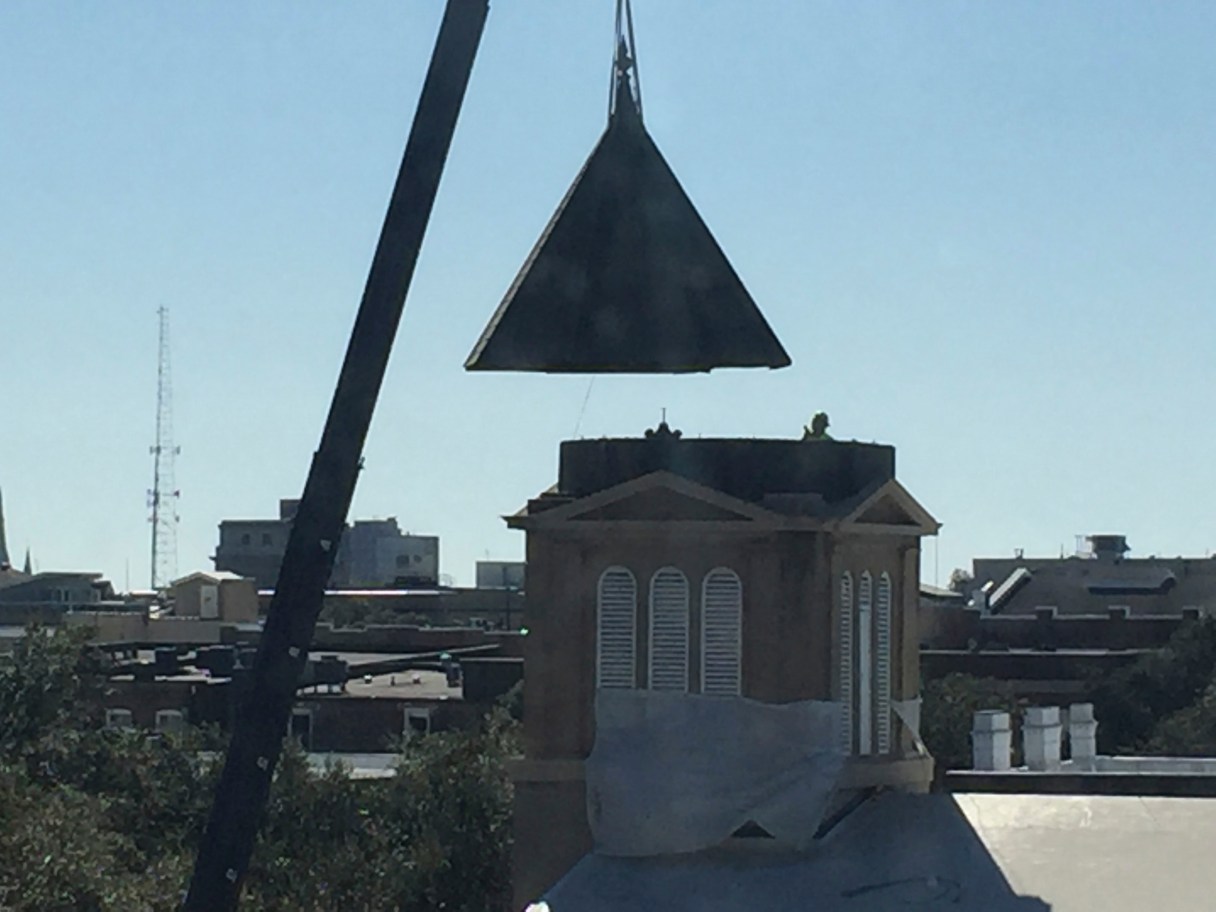
A fresh coat of paint covers the freshly carpeted First African Baptist Church in Savannah, Georgia, which also had its bell tower fixed, water damaged ceilings repaired and stucco replaced, the Savannah Morning News reported Saturday.
It cost nearly $600,000 to repair numerous issues, the Rev. Thrumond Tillman said. The church, a National Historic Landmark, was organized in 1773, according to the website, which says the church gained a pastor in 1775 and a congregation two years later. The sanctuary was completed in 1859.
Some historic pieces were left untouched during the restoration, such as the pews the church says are carved with West African Arabic script, one of the earliest forms of writing. The original sanctuary still is dotted with holes that were arranged in the shape of an African prayer symbol of life, death and rebirth, according to the church’s website. It was those holes that allowed runaway slaves to breathe as they traveled along the Underground Railroad and stopped at the church, according to the newspaper.
The church would continue to play a central role in Savannah’s black community, later acting as a meeting place for civil rights activists, including pastors who took part in sit-ins and marches.