
Sometimes, people just need a little bit of help. Or help that would seem little to most of us, yet to them it’s the difference between lying alone on the floor all night or calling 911 for stronger arms to get them back on their feet or into a chair.
So they call. Or sometimes they don’t – not right away. But when they do, all too often the Chattanooga Fire Department would recognize their address, even know the caller by name.
“We get to know these people so well, and they get to know us and how we work. They will try to do everything they can, but we always tell them ‘If you need us, call us. We’re coming,'” Fire Training Chief William Andrews told the City Council during Tuesday’s council meeting. Andrews added that one of these callers, a woman who lived alone, would lay on the floor all night after falling. She didn’t want to wake up the firefighters, so she’d wait to call 911 after the morning shift change.
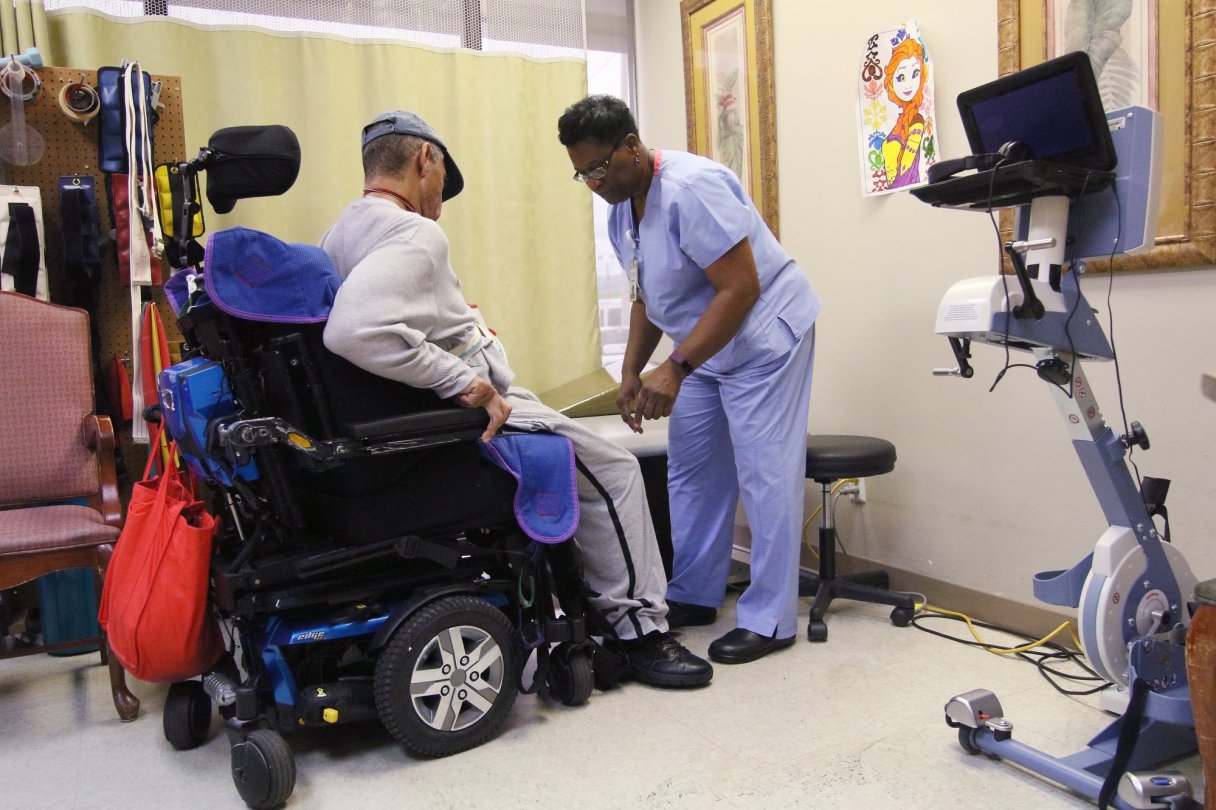
It was another frequent caller, Jeffery Henson, a 57-year-old who lives alone with a genetic neurodegenerative disease that affects muscle coordination and balance, who inspired a new approach. The department responded to calls from Henson’s medical alert device 72 times in 2017. That figure doubled in 2018, and in January and February of 2019, firefighters were called to help him 109 times.
His simple but intense needs – completely wheelchair bound and difficult to understand, since his disease also hinders his ability to speak and write – prompted firefighters to stop and question what exactly would help him – and them.