
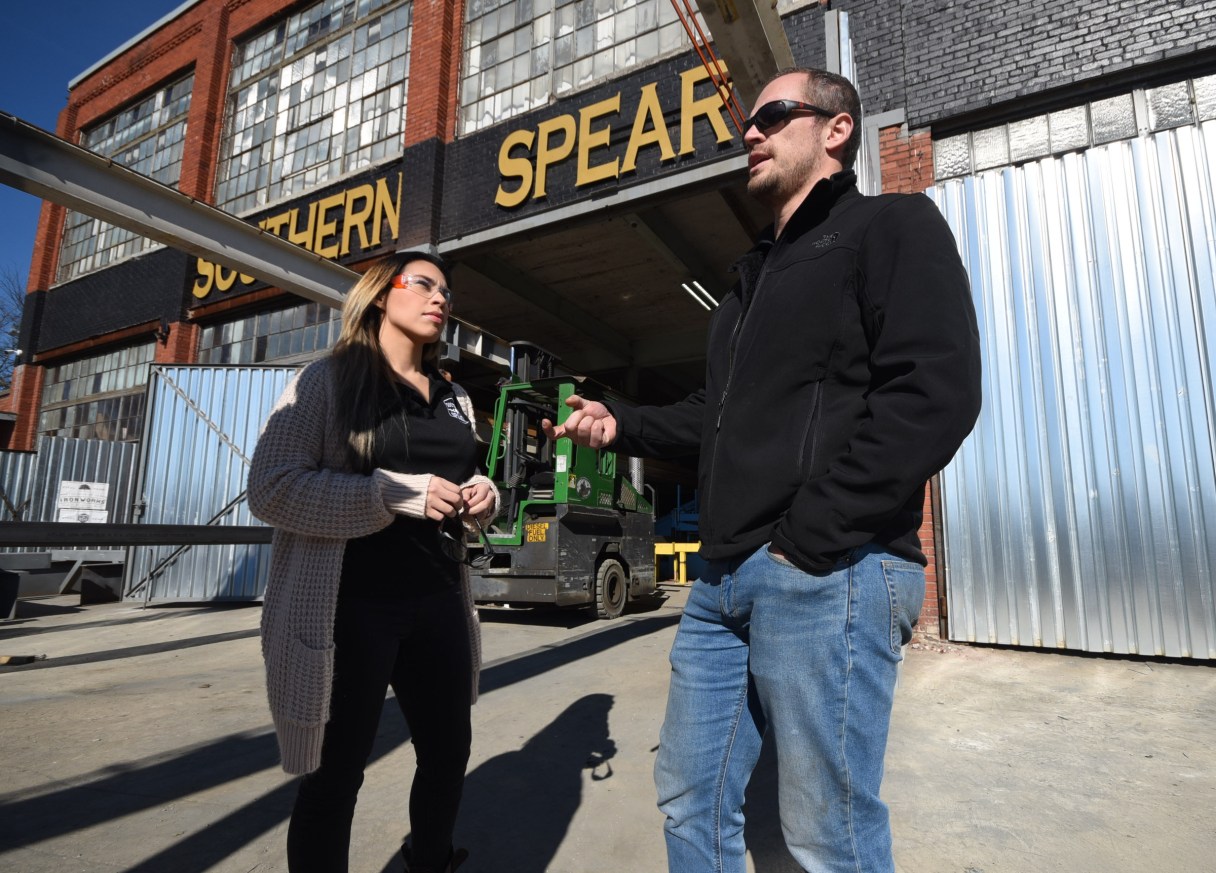
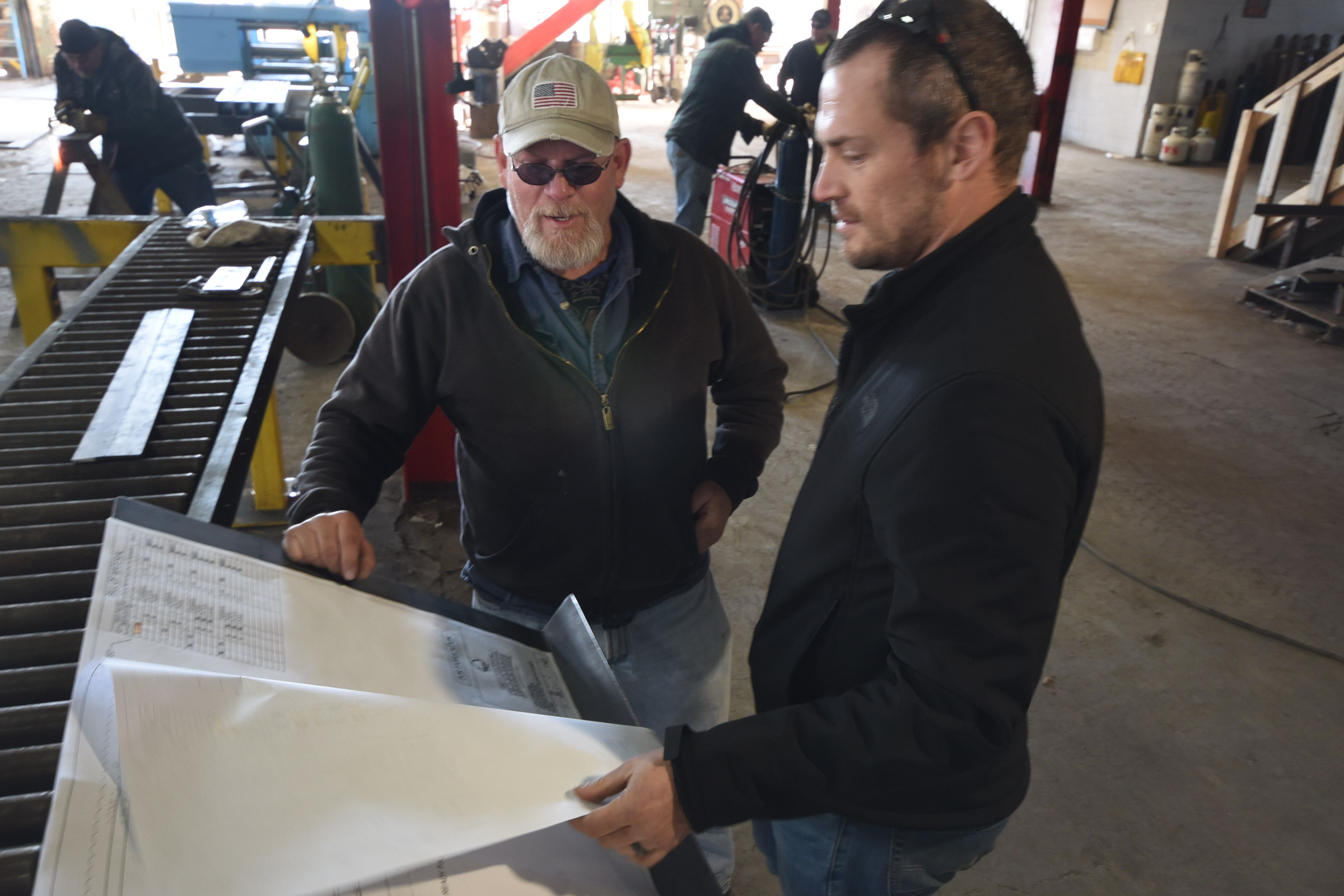
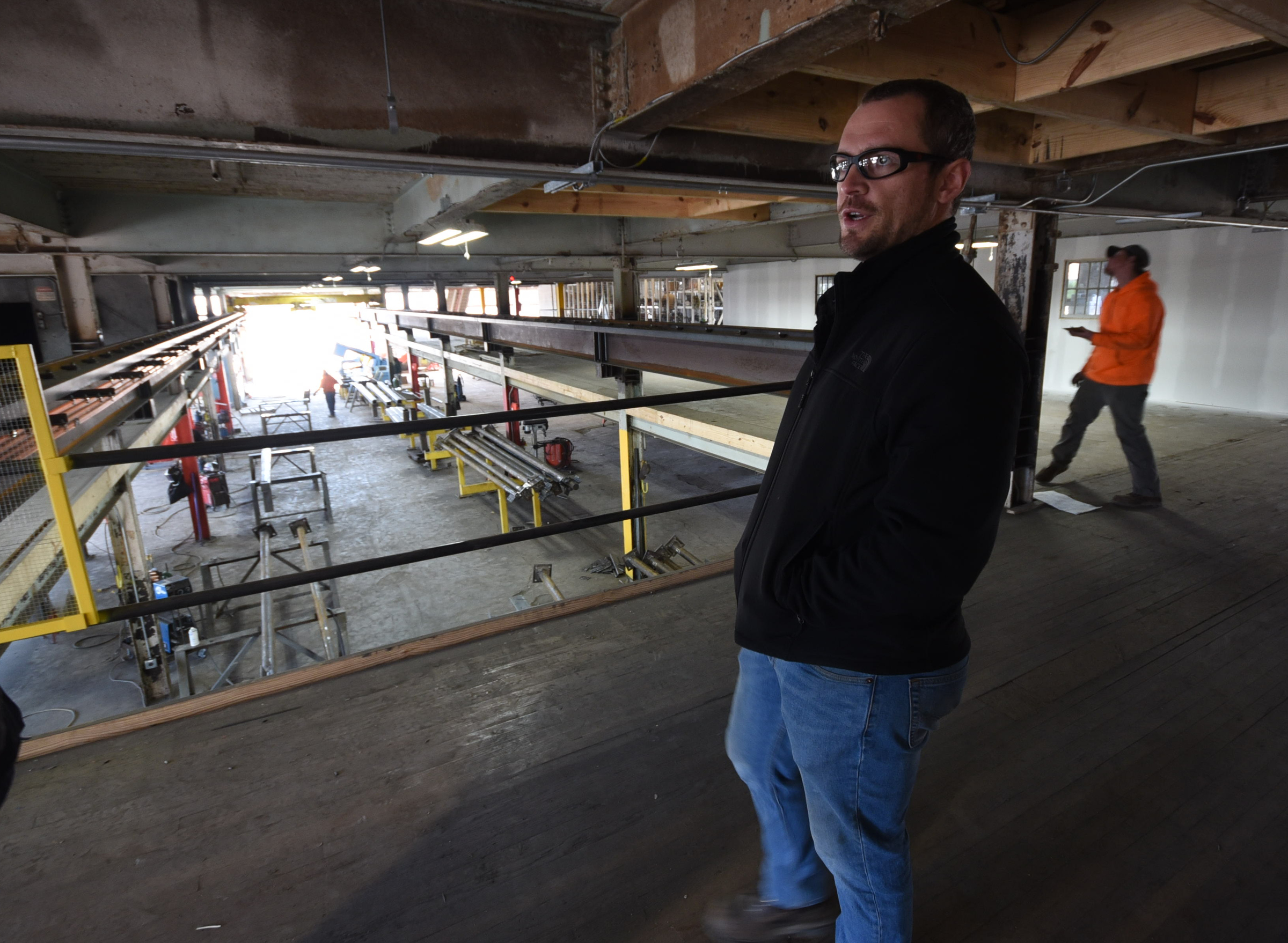
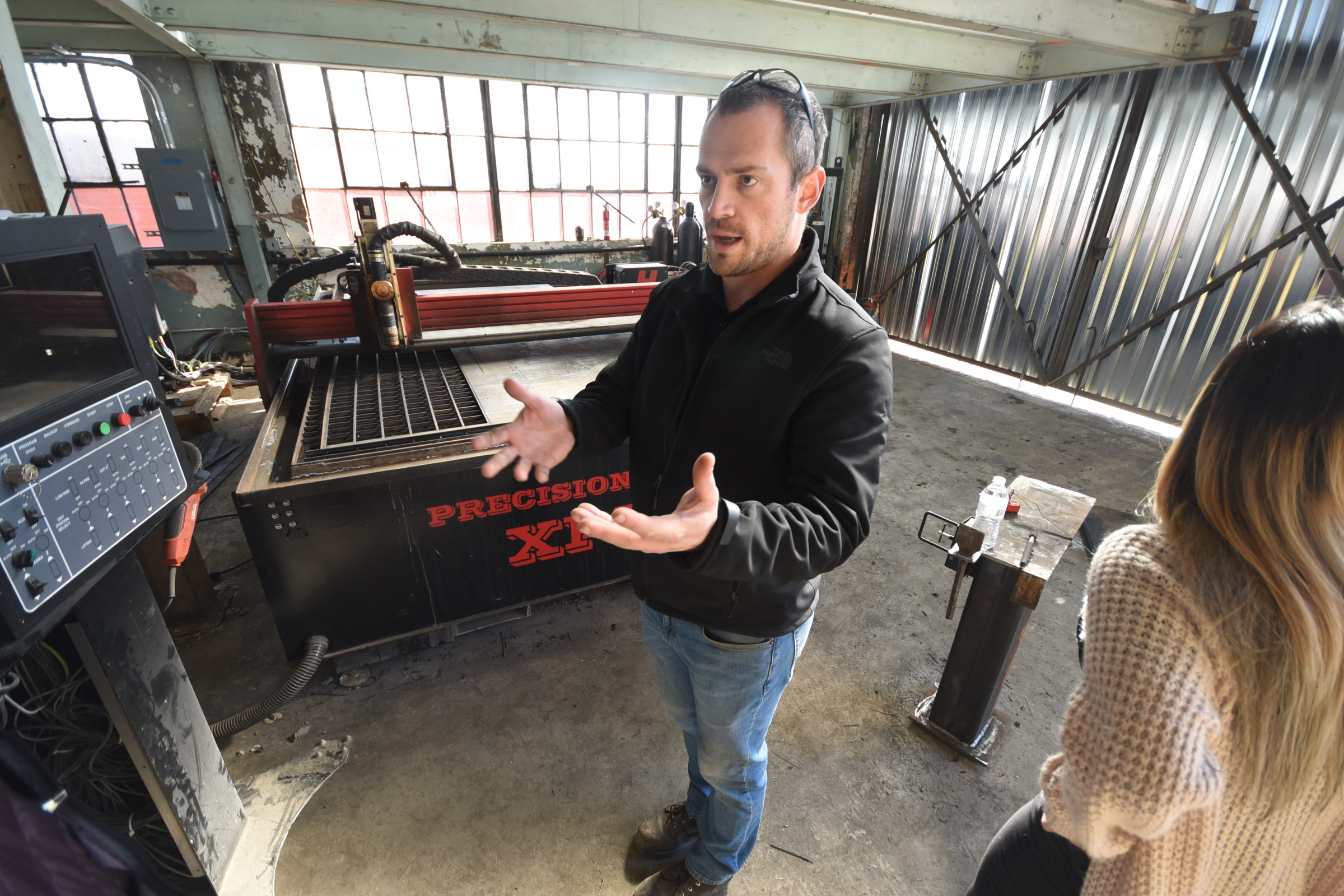
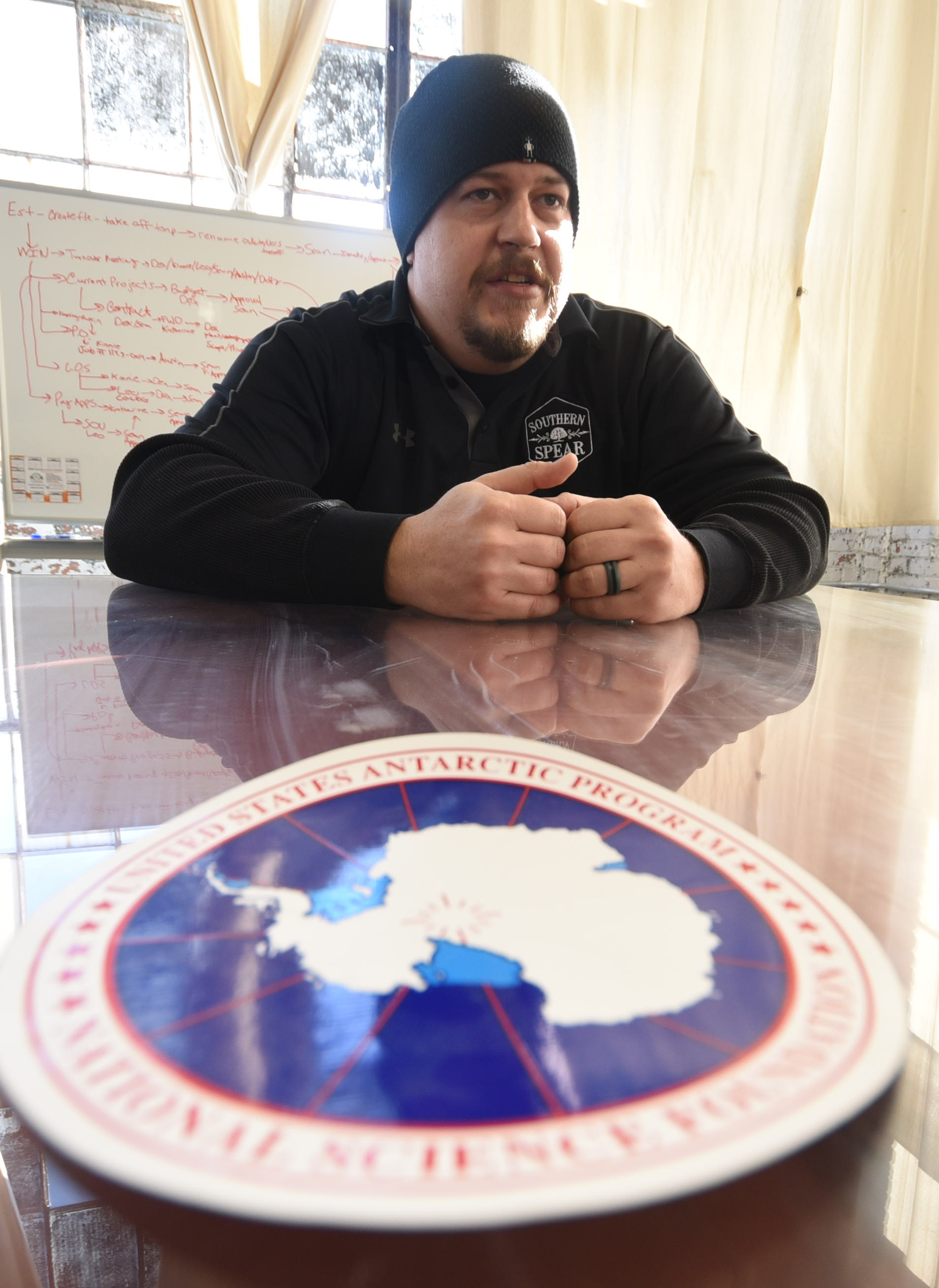
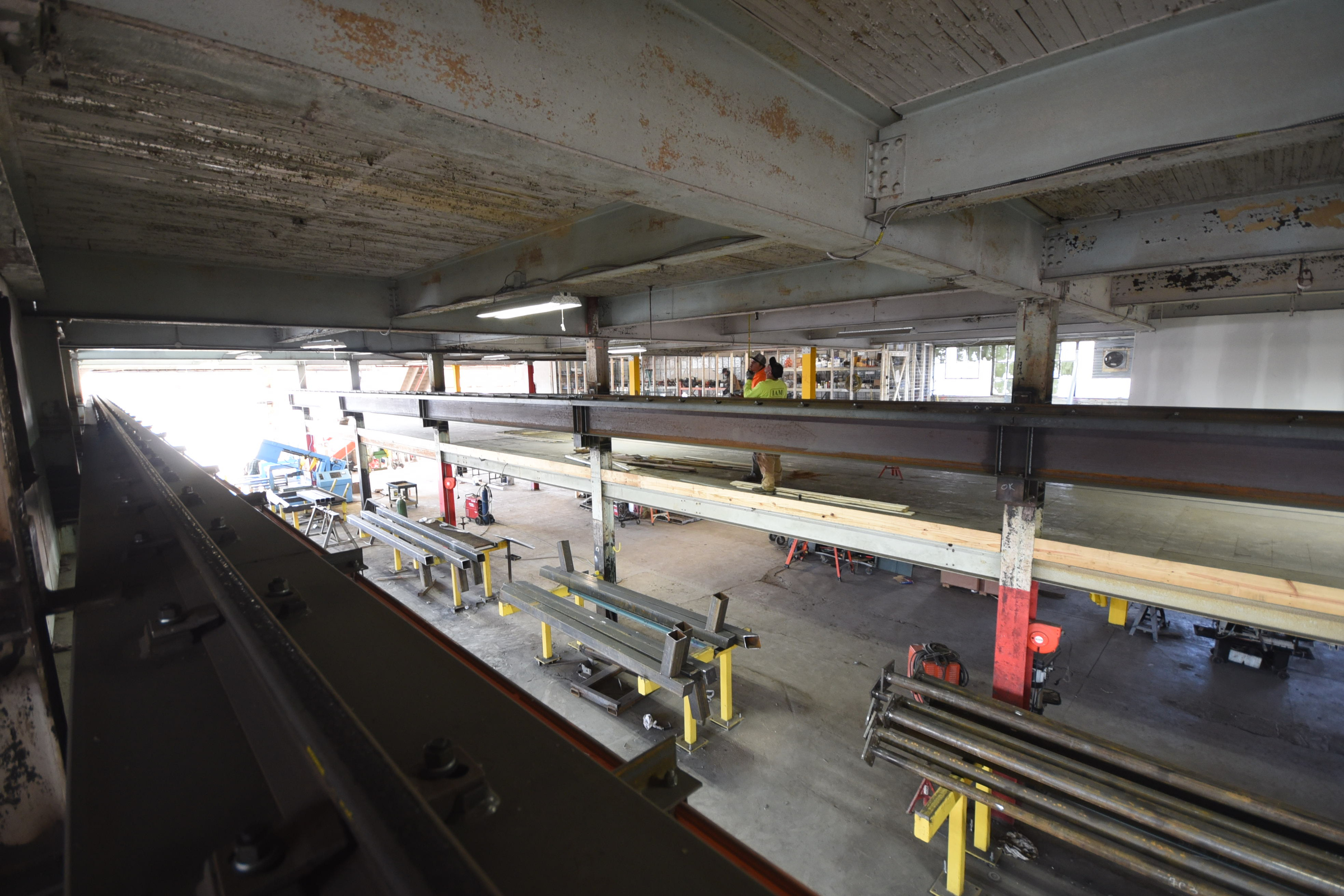
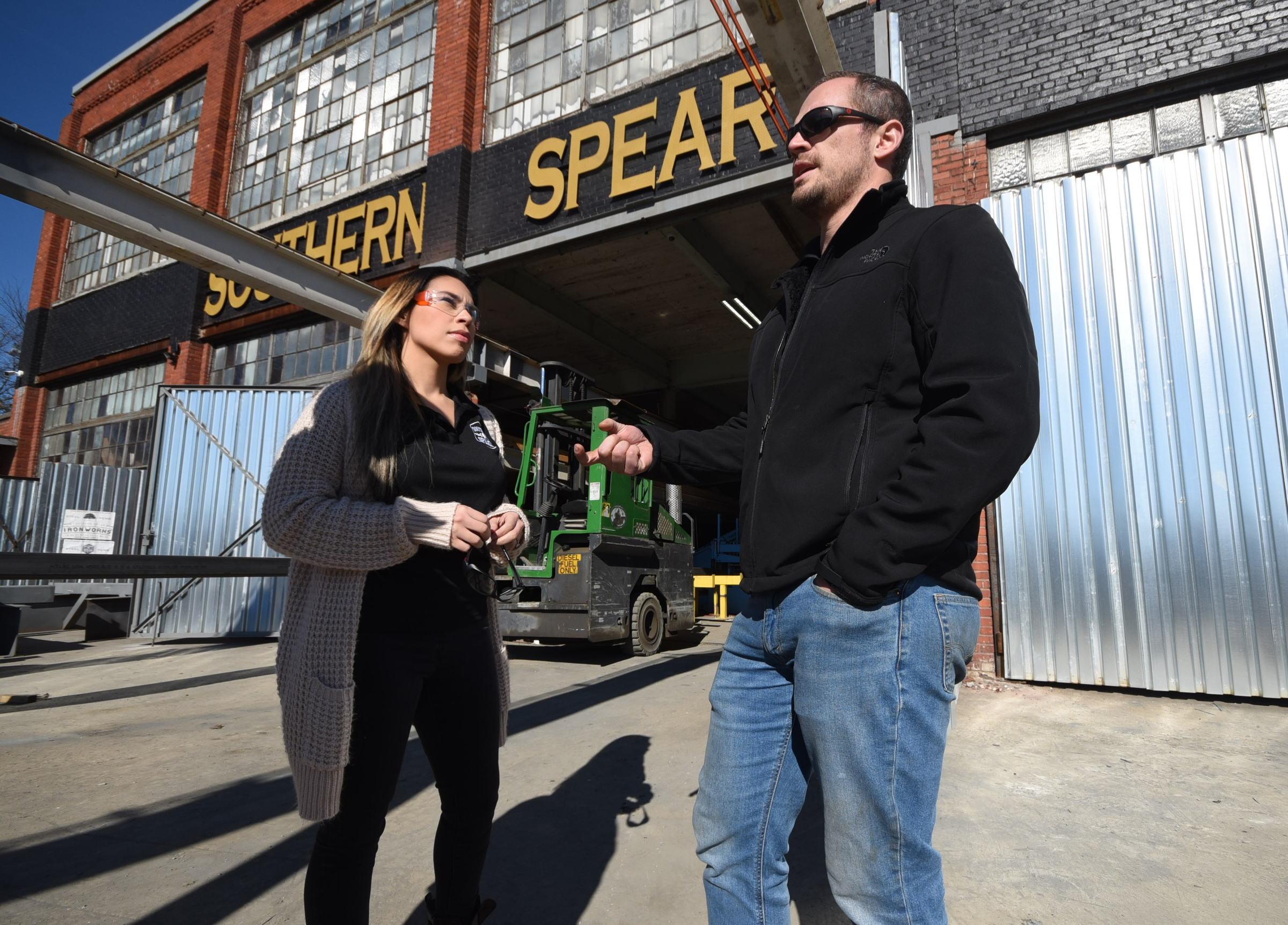
A Chattanooga company will travel this week to Antarctica to begin the first phase of what will likely be a seven-year-or-more project to rebuild the largest Antarctic station for the U.S. government to continue scientific research on the world’s coldest continent, according to the company’s founder and president Sean Compton.
It will be the biggest project Southern Spear Ironworks LLC – a relatively new local steel company – has undertaken.
“It’s exciting; it shows what we’ve been doing is really paying off,” company chief operating officer Leo Flynn said. “At first, it’s a little scary, but once you start tackling it step by step, it’s really no different than what we do here. It just happens to be across the world.”
The U.S. government is rebuilding McMurdo Station. The station serves as a logistical hub for scientific research on the world’s southernmost continent. McMurdo hosts a wide-range of scientific activities including climate research, astrophysics, geology, ocean study and more. It has allowed scientists to research areas previously unexplored and is the biggest community on the continent. The facility houses about 1,100 people during the busy summer months, Compton said.
The station’s footprint grew as scientific progress allowed for more research, and expanded to a 164-acre site that houses more than 100 structures.