

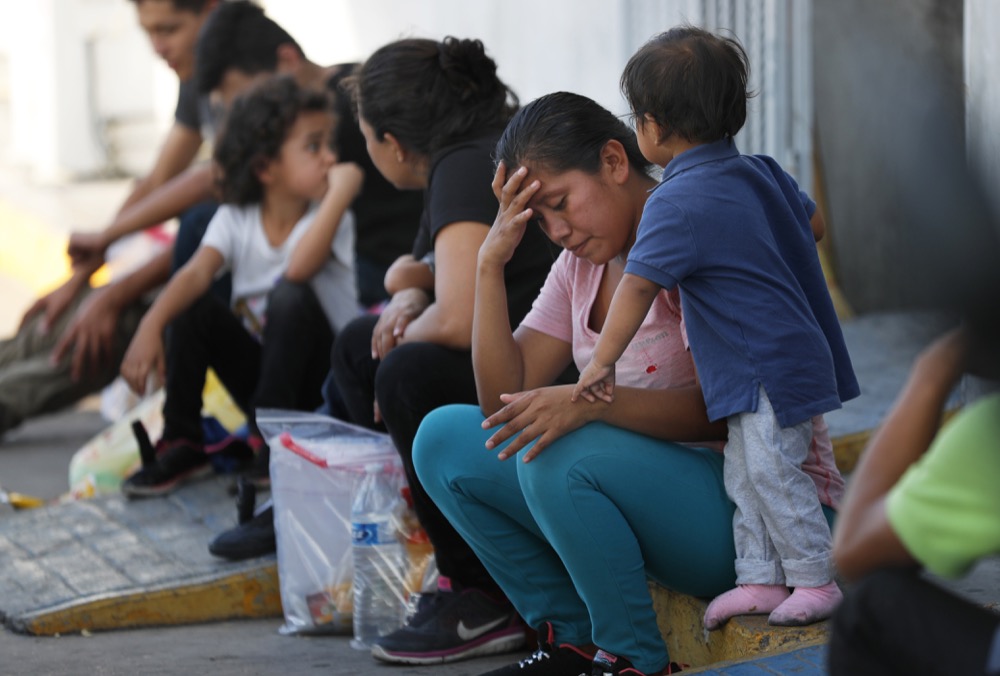

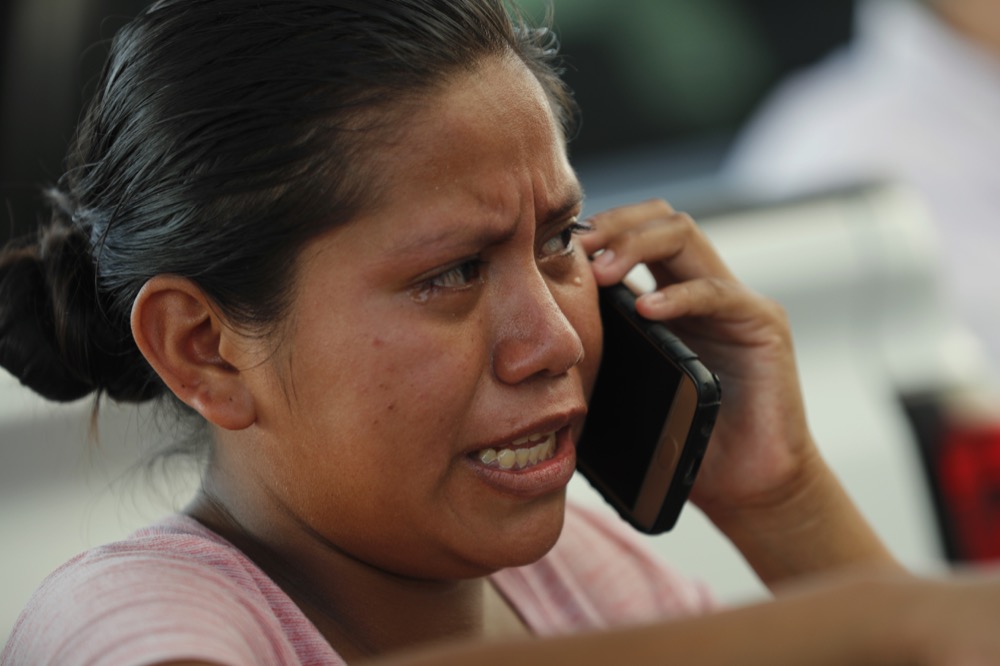
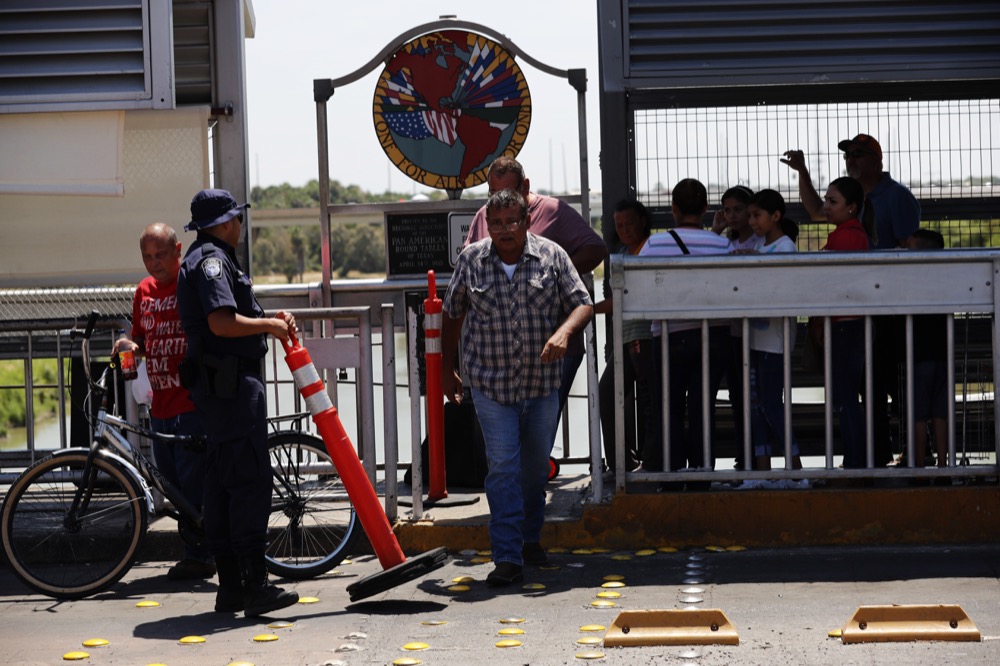
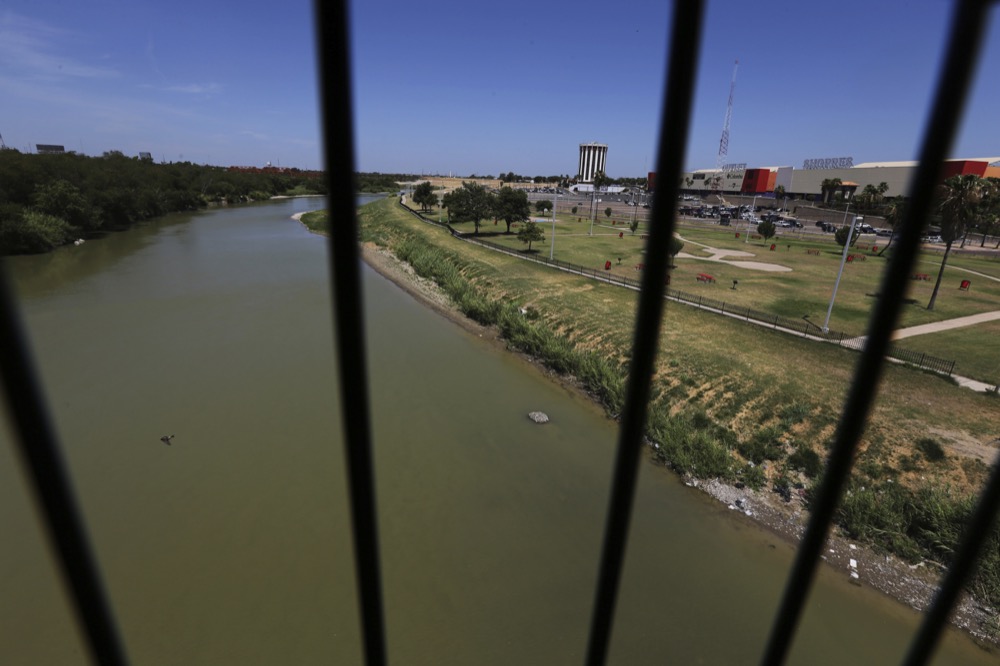
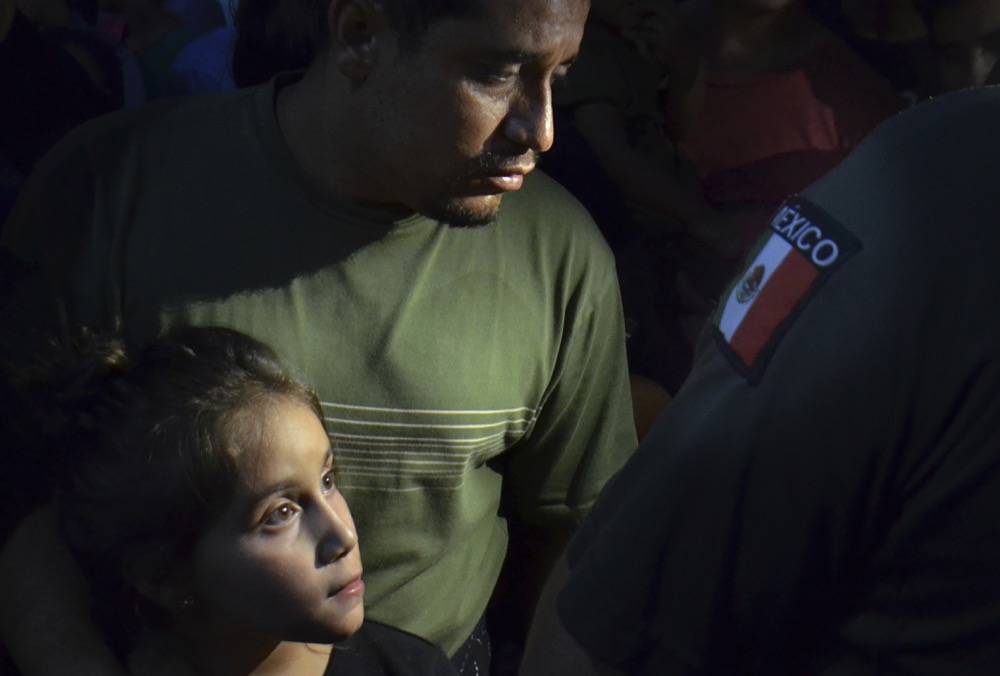
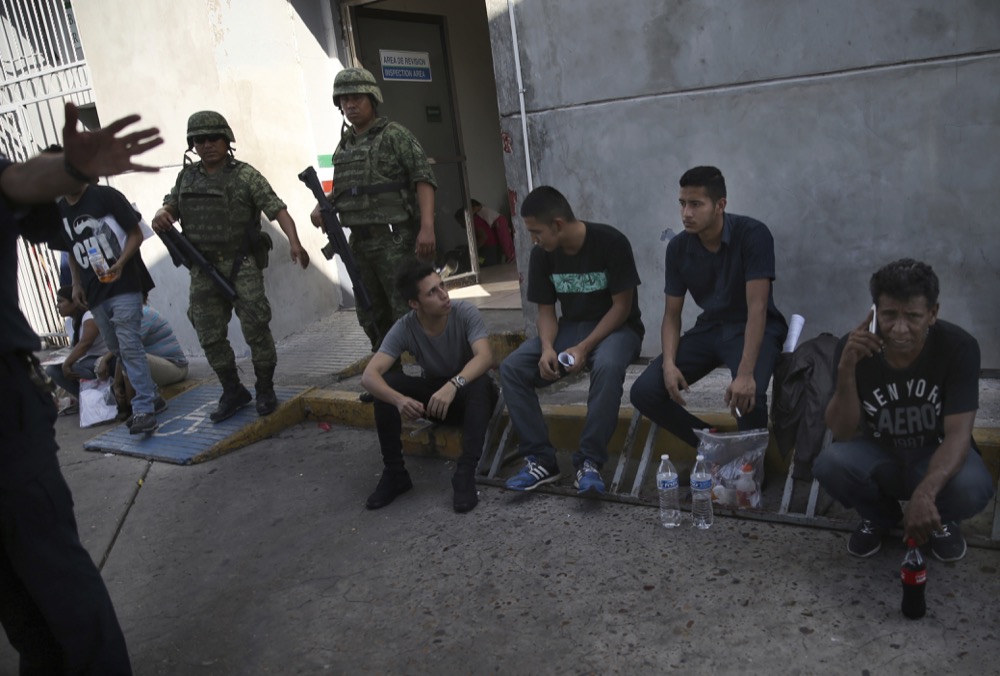
NUEVO LAREDO, Mexico (AP) – Asylum-seekers gathered in Nuevo Laredo, across the border from Texas, grappled to understand what a new U.S. policy that all but eliminates refugee claims by Central Americans and many others meant for their bids to find a better life in America amid a chaos of rumors, confusion and fear.
The policy went into effect Tuesday and represents the most forceful attempt to date by President Donald Trump to slash the number of people seeking asylum in the United States. It denies asylum to anyone who shows up on the U.S. border after traveling through another country, something Central American migrants have to do.
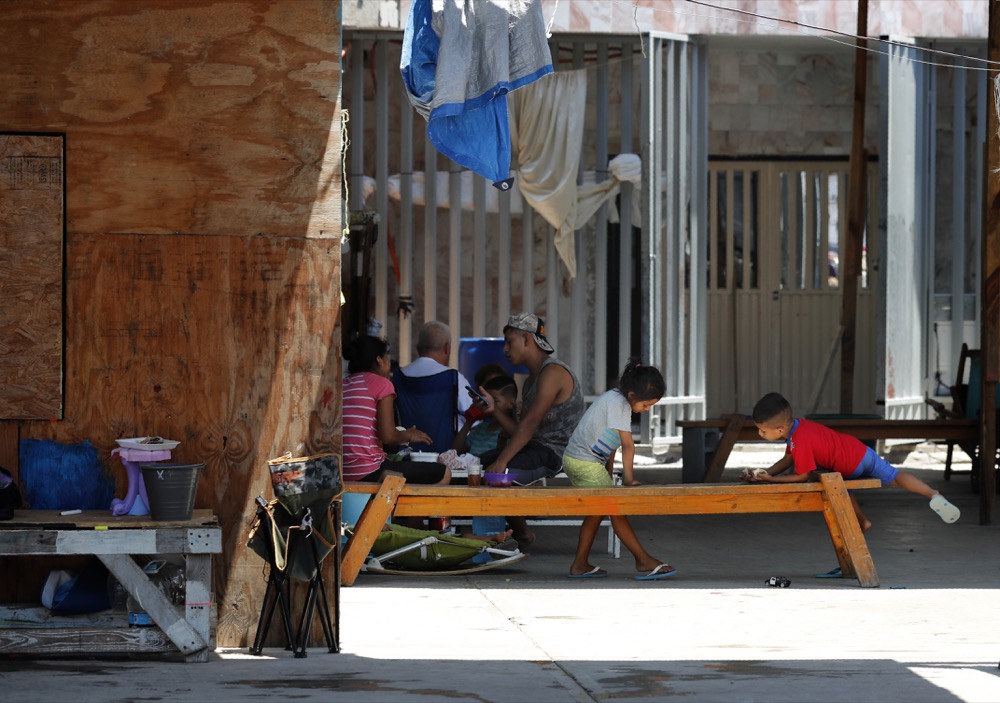
In some parts of Nuevo Laredo, migrants continued to trickle into shelters, including seven members of a family from the Mexican state of Michoacan, who fled the shootings and extortions in their violent region and were happy to find shelter even though some had to sleep in the hallway. They hoped they could get asylum because they did not pass through another country to reach the border.
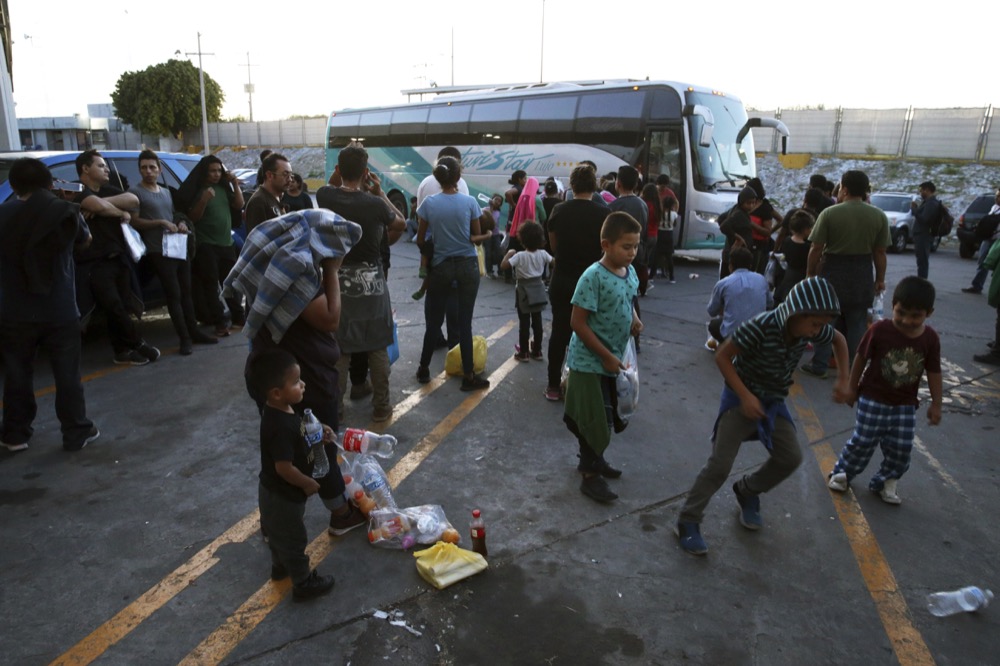
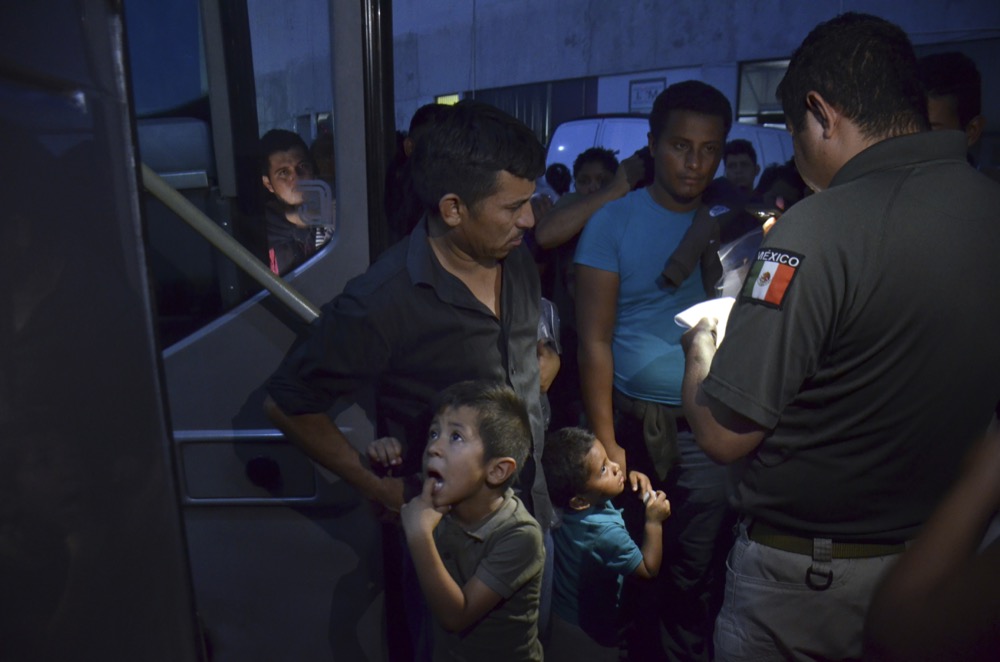
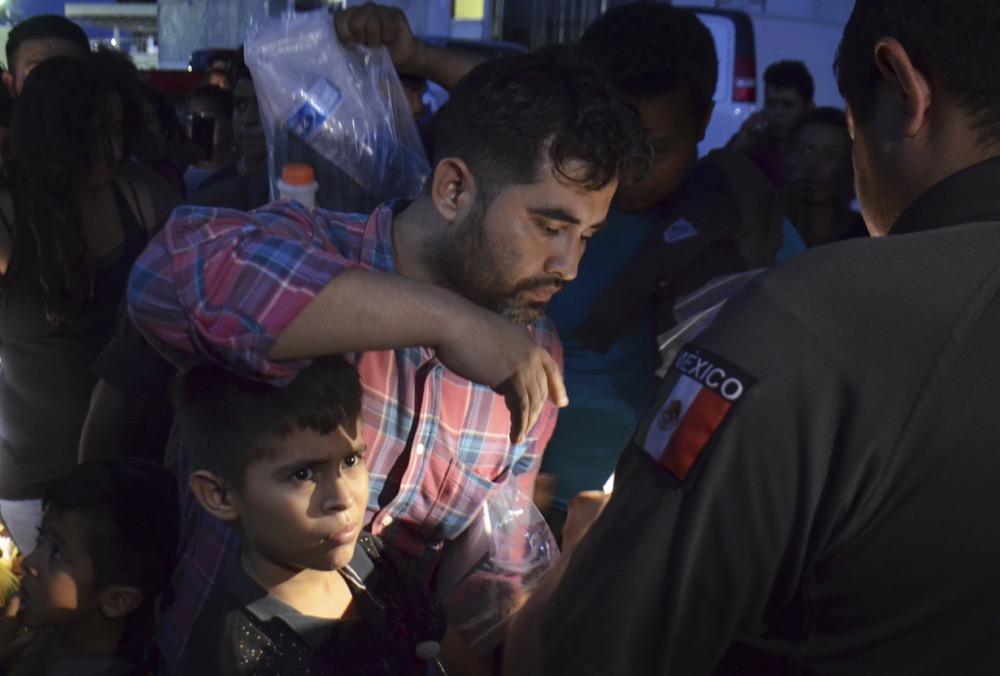
But about 70 mostly Central American migrants, who had crossed Mexico to reach the border, were returned to Mexico with an appointment with a judge tucked in a transparent plastic bag – part of another recently imposed policy of requiring many asylum seekers to wait in Mexico rather than the U.S.
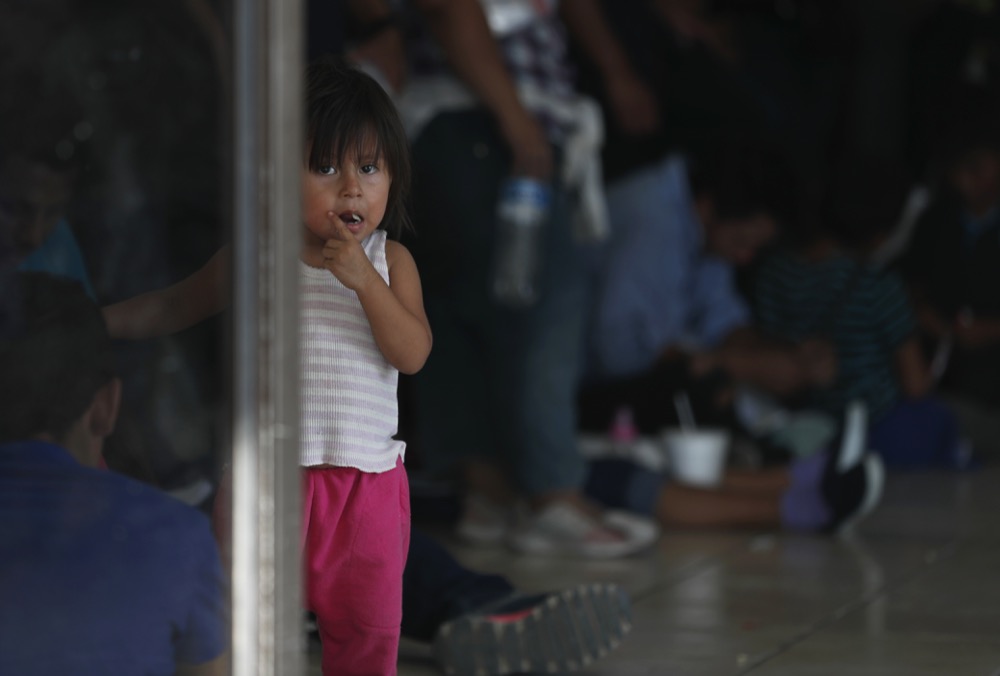
Some bitter, they assembled in the National Institute of Migration facility next to the international bridge with a cluster of women cradling children, men asking questions and small children running around under the watchful eye of parents.