
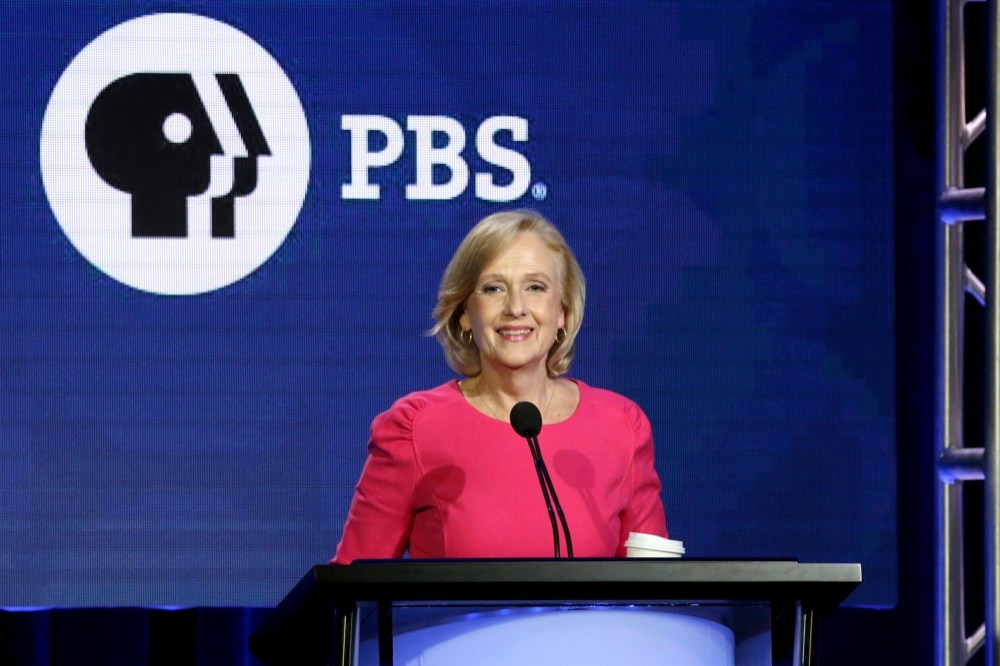
BEVERLY HILLS, Calif. (AP) – Longtime PBS chief executive Paula Kerger said she’s ready to face more budget fights and competition with the expanding number of commercial outlets treading on public TV’s programming turf.
Kerger, who joined the Public Broadcasting Service as president and CEO in 2006, told a TV critics meeting Monday that she committed to stay in the job for five more years because of her belief in “the purpose and the power of public television.”
“I want to make sure that when I do finally hang up those skates, that I’ve done everything that I can to make public television on as sound a foundation as possible,” she said.
That includes safeguarding the federal funding that makes up 15 percent of the public broadcasting budget, which Kerger called critical for stations in rural and underserved areas. Other sources of support include corporations and viewers, with PBS stepping up its quest for more philanthropic donations, Kerger said.
The Trump administration has called for federal support to be eliminated, echoing the positions of former presidents including Richard Nixon and George W. Bush, who called for funding to be reduced or ended. At stake is about $450 million, of which 95 percent is mandated by law to go to public TV and radio stations in the form of grants.