
It sounds great.
What free-enterprise-loving American wouldn’t want to be paid for seeing his or her likeness or name on anything from video games to highlight tapes to T-shirts to jerseys to posters or anything else that comes with a sales tag?
And every college athlete who attends a California-based school of higher education may soon reap the rewards of that scenario if the Golden State’s general assembly passes Senate Bill 206, also known as the Fair Pay to Play Act.
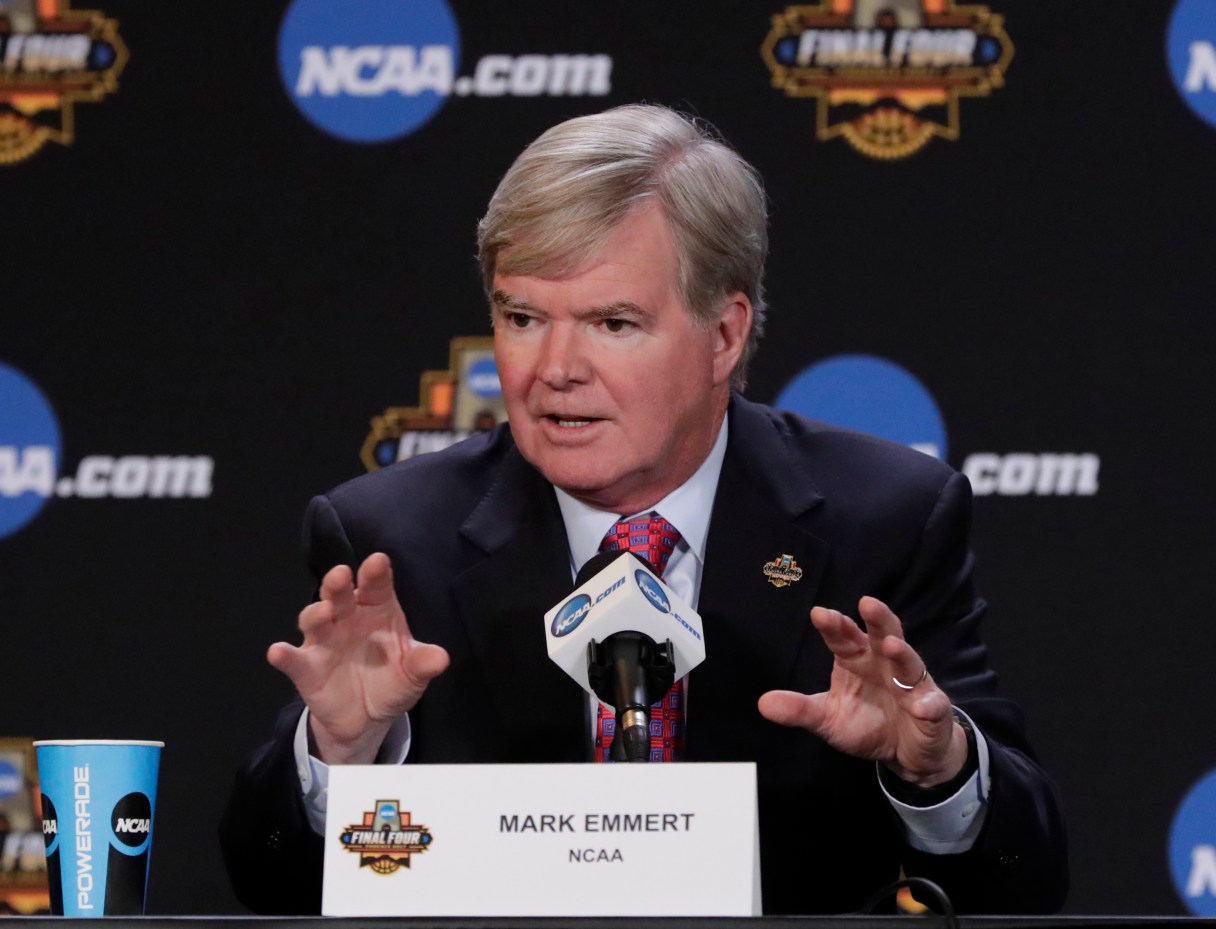
Quite naturally, NCAA president Mark Emmert is actively lobbying the committees pushing the bill to postpone it, since college athletics’ governing body long has been opposed to any payment of student-athletes beyond tuition, room, board and the normal perks that come with eating at a training table, state-of-the-art medical treatment, being tutored, traveling all over the country and acquiring all matter of clothes, shoes and such that are supposedly necessary to winning.
And, yes, that’s a lot nicer than the average Joe or Josephine working two jobs to avoid a six-figure student-loan debt has it. But then some of these athletes do generate millions of dollars for their schools if playing football and men’s basketball.