
The Environmental Protection Agency on Friday banned consumer use of a popular but deadly paint stripper but stopped short of also banning commercial use of the product by tradespeople.
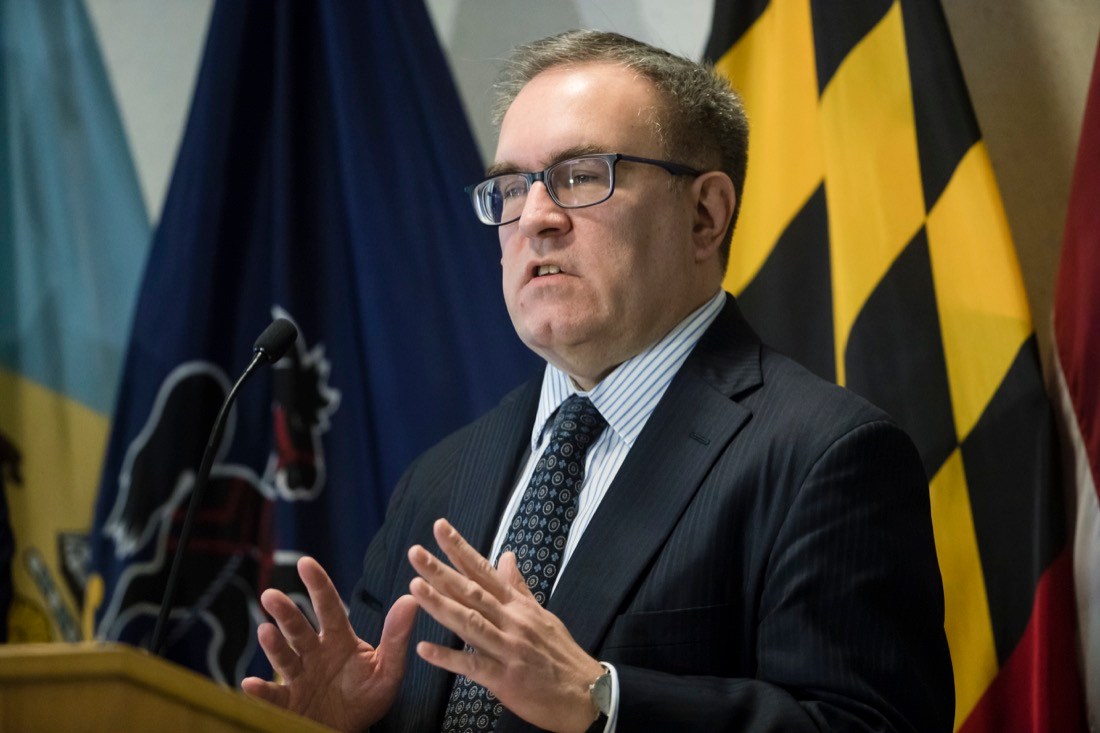
EPA Administrator Andrew Wheeler signed the rule, which will bar manufacture and import of the stripper methylene chloride for consumer use, in a private meeting Friday with relatives of a man who died while using the paint stripper.
The EPA cited “the acute fatalities that have resulted from exposure to the chemical” and an “unreasonable” risk to consumers. Retail stores have until later this year to remove the product from sale. Many big chains already stopped sale of products with methylene chloride in recent months, amid a campaign led by environmental groups and families of men overcome and killed by fumes from the paint stripper.
Goopy, strong-smelling products containing methylene chloride have been a go-to product for do-it-yourselfers for decades. But fumes from the product can affect the central nervous system, sometimes causing dizziness, disorientation and death. The state of California says it has tracked at least five U.S. deaths from methylene chloride since 2014.
Jury rules Apple to pay Qualcomm
A jury has decided Apple should pay $31 million in damages for infringing on patents for technology owned by mobile chip maker Qualcomm that helps iPhones quickly connect to the internet and extend their battery life.
The verdict Friday in a San Diego federal court follows a two-week trial that pitted two former allies that have become bitter adversaries. The trial is a fragment of a legal battle involving Apple and Qualcomm, which are sparing over who invented some of the technology used for key features in smartphones and other mobile devices.
The stakes will be much larger in another federal trial next month that will determine whether Apple should be required to pay Qualcomm for licensing other technology used in iPhones.
Apple had been paying the licensing fees until it stopped in 2017 and filed a lawsuit alleging that Qualcomm was abusing his dominance of the mobile chip market to gouge smartphone makers for technology that it hadn’t even invented. That trial is scheduled to start April 15.
In the trial that just concluded, the jury unanimously agreed with Qualcomm’s contention that it should be paid $1.41 per iPhone relying on three of its patents. The damages date back to July 6, 2017 and covers technology used in the iPhone 7, iPhone 7 Plus, iPhone 8, iPhone 8 Plus and iPhone X.
Judge extends talks in soybean lawsuit
A federal judge has approved an extension of settlement talks in a lawsuit claiming a soybean seed company purposely sold faulty seeds to black farmers in Mississippi.
U.S. District Judge John Fowlkes had set a Friday deadline for mediation talks in a lawsuit filed in Memphis, Tennessee, by a handful of black farmers against Stine Seed Co. A court filing Friday asked Fowlkes to extend the deadline by three weeks. He later granted the request.
The suit alleges Stine conspired with a seed salesman to sell defective seeds to the farmers because they are black. The suit claims the good seeds the farmers thought they had bought from Stine were replaced by inferior seeds before delivery.
Adel, Iowa-based Stine says allegations including discrimination and fraud are baseless and irresponsible.