
Thursday, November 12, 2026Nov 12

Oklahoma judge reduces Johnson & Johnson order in opioid lawsuit by $107 million

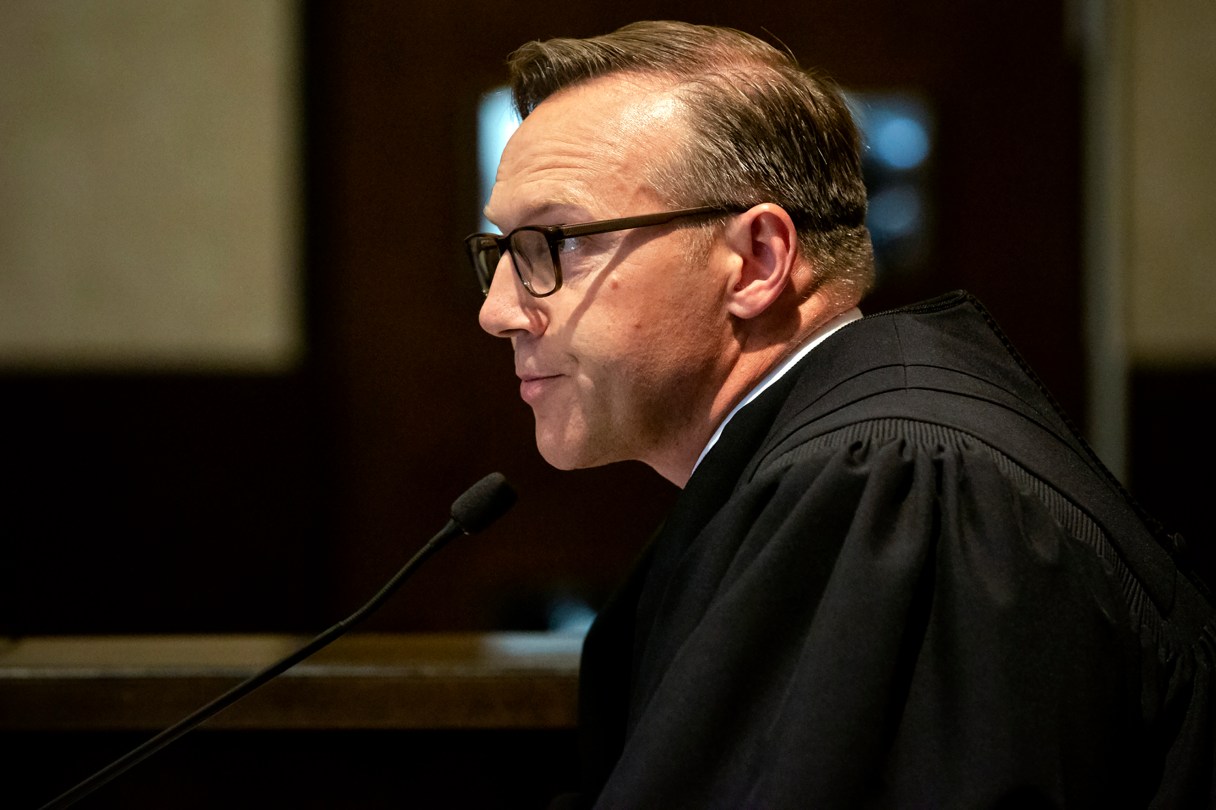
FILE - In this Aug. 26, 2019 file photo, Judge Thad Balkman reads a summary of his decision in the opioid trial at the Cleveland County Courthouse in Norman, Okla. Judge Balkman reduces amount Johnson & Johnson must pay state to help clean up opioid crisis by $107 million to $465 million on Friday Nov. 15, 2019. (Chris Landsberger/The Oklahoman via AP, Pool)
FILE - In this Aug. 26, 2019 file photo, Judge Thad Balkman reads a summary of his decision in the opioid trial at the Cleveland County Courthouse in Norman, Okla. Judge Balkman reduces amount Johnson & Johnson must pay state to help clean up opioid crisis by $107 million to $465 million on Friday Nov. 15, 2019. (Chris Landsberger/The Oklahoman via AP, Pool) FILE - In this Aug. 26, 2019 file photo, Judge Thad Balkman reads a summary of his decision in the opioid trial at the Cleveland County Courthouse in Norman, Okla. Judge Balkman reduces amount Johnson & Johnson must pay state to help clean up opioid crisis by $107 million to $465 million on Friday Nov. 15, 2019. (Chris Landsberger/The Oklahoman via AP, Pool)

OKLAHOMA CITY (AP) – An Oklahoma judge who last summer ordered consumer products giant Johnson & Johnson to pay $572 million to help address the state’s opioid crisis on Friday reduced that amount by $107 million in a final order in the case.

District Judge Thad Balkman’s latest order directs the company to pay the state $465 million. In it, Balkman acknowledged that he miscalculated in his original award how much it would cost to develop a program for treating babies born addicted to opioids. The cost should have been $107,000 not $107 million.

The judge declined a request by the defendants to further reduce the amount to take into account pre-trial settlements totaling $355 million the state reached with Oxycontin-maker Purdue Pharma and Israeli-owned Teva Pharmaceuticals.

Balkman also said he would not revisit the settlement in the future and order additional payments, as requested by the state.

“Though several of the state’s witnesses testified that the plan will take at least 20 years to work, the state did not present sufficient evidence of the amount of time and costs necessary, beyond one year, to abate the Opioid Crisis,” according to the order.