
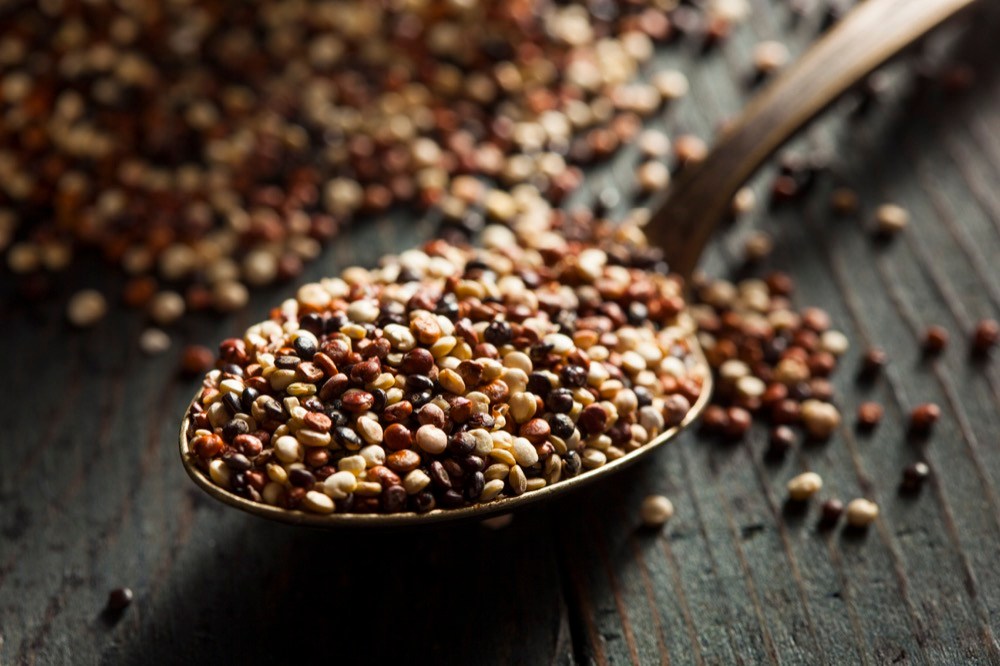
Quinoa is one of those beautiful foods that has been around for centuries. It’s been cultivated in South America for more than 5,000 years, but has only become a household name among North American consumers over the past decade or so. It’s part of the popular Mediterranean diet and is among those delicious, healthful seeds that nutritionists and other health-minded people recommend we consume on a regular basis.
Pamela Kelle, registered dietitian and licensed nutritionist in Chattanooga, says quinoa (pronounced keen-wah or kee-no-uh) has a number of health benefits. In addition to being an excellent source of fiber. Although insoluble, it’s also a valuable source of complex carbohydrates for those who cannot tolerate gluten.
“It’s also a good source of protein for anyone cutting down on animal protein,” she says. “It’s actually a seed, served as a grain.”
Quinoa comes in three colors – white, red and black – and one isn’t better for your health than another, Kelle says.
 Anne Braly
“The color variety does not affect nutrient content – only the flavor, in subtle ways,” she says, adding that quinoas with more color – the red and black varieties – tend to taste a little nuttier. Other than that, there’s very little difference; it’s just a matter of personal taste.