
Chrysler pays fine for overstated sales
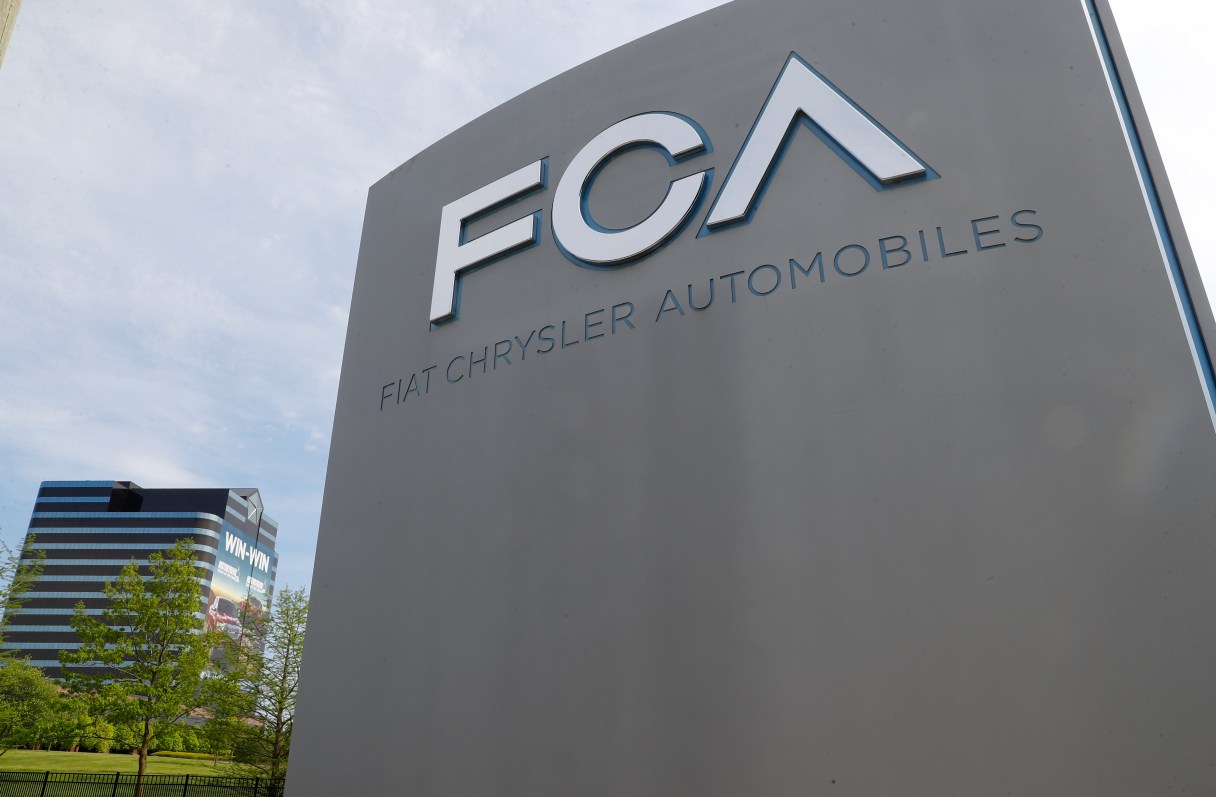
Fiat Chrysler is paying $40 million to settle with U.S. securities regulators who say the automaker misled investors by overstating its monthly sales numbers over a five-year period.
The Italian-American company inflated sales by paying dealers to report fake numbers from 2012 to 2016, the U.S. Securities and Exchange Commission alleged in a complaint.
Fiat Chrysler agreed to pay the civil penalty and to stop violating anti-fraud, reporting and internal accounting control regulations, the SEC said Friday in a statement. The automaker did not admit or deny the agency’s allegations, the statement said.
“This case underscores the need for companies to truthfully disclose their key performance indicators,” Antonia Chion, associate director in the SEC’s Enforcement Division, said in the statement. She noted that the new vehicle sales figures give investors insight into the demand for an automaker’s products, a key to assessing the company’s performance.
Fiat Chrysler said it has reviewed and refined its sales reporting procedures. It said the payment will not have a large impact on its financial statements.
Southern Heritage president retires
One of the founding directors who helped establish Southern Heritage Bank in 1998 is retiring Monday after 40 years of banking in Cleveland, Tennessee.
Steve Ledbetter, the Community Bank President for Southern Heritage Bank, moved to Cleveland in 1979 to join Cleveland Bank & Trust Company and later headed commercial lending at First American National Bank before he helped launch Southern Heritage Bank in Cleveland.
“In organizing and operating Southern Heritage Bank, Steve was a critical component in acquiring an approved bank charter and operating the bank profitably within the first nine months of opening,” said Lee Stewart, East Regional President for First Citizens Bank which acquired Southern Heritage Bank in 2014 for $32.2 million in stock and cash. “None of this would have happened without his expertise, experience and business acumen.”
Ledbetter was honored at a retirement party Friday at the bank.
Consumer spending barely rises in August
American consumers boosted their spending by just 0.1% in August, the smallest gain in six months, even as their incomes rose at a solid pace.
Personal income increased 0.4%, up from a small gain in the previous month, the Commerce Department said Friday. A measure of inflation preferred by the Federal Reserve was flat, but excluding the volatile food and energy categories, core prices ticked up 0.1%.
Consumers are a key driver of the economy as businesses have cut their investment spending and exports have slipped. August’s modest gain suggests the economy may slow in the July-September quarter compared with the beginning of the year. The small increase in consumer spending was below most economists’ forecasts, and spending in July was revised slightly lower. In addition, a separate Commerce Department report showed that orders for long-lasting manufactured goods, such as autos and appliances, rose just 0.2% in August.
Most economists say the reluctance stems from the uncertainty surrounding the trade war. President Donald Trump has threatened to impose tariffs on about $160 billion of consumer goods imports from China Dec. 15, though talks about the dispute are scheduled for next month.