
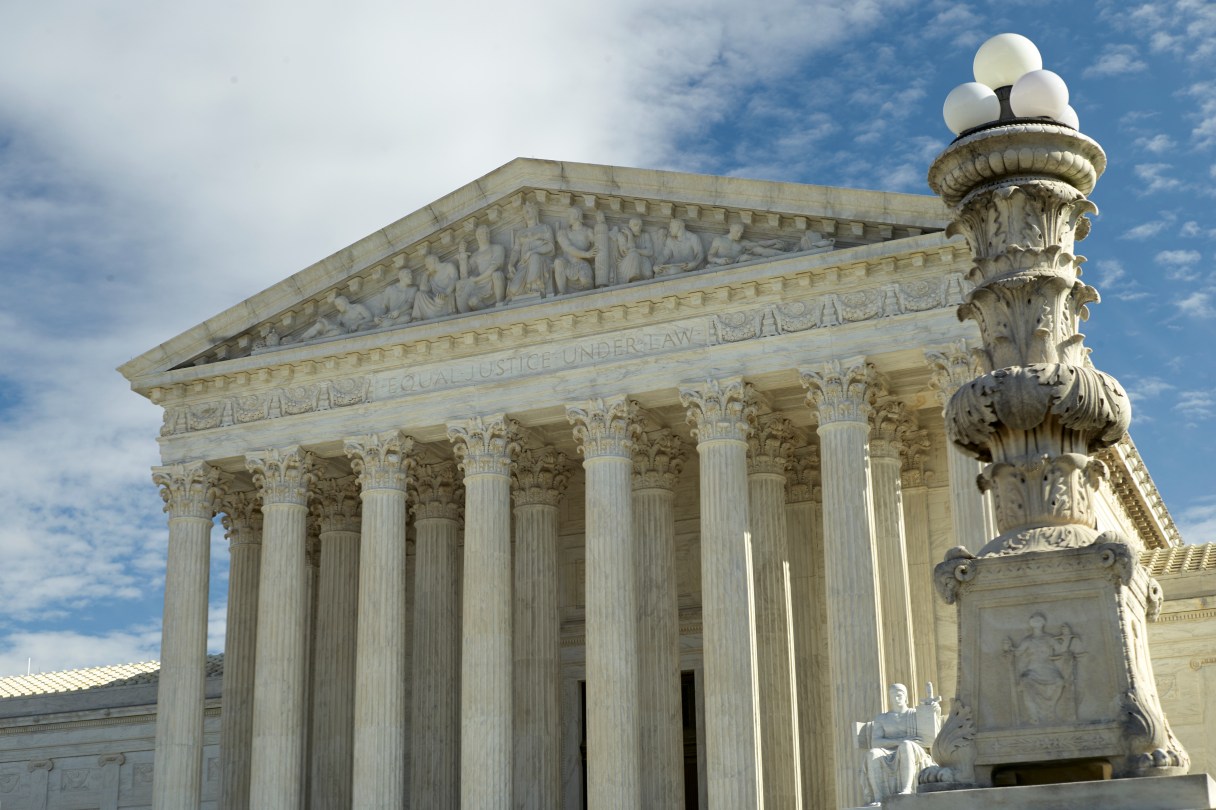
WASHINGTON – The Supreme Court ruled Monday that juries in state criminal trials must be unanimous to convict a defendant, settling a quirk of constitutional law that had allowed divided votes to result in convictions in Louisiana and Oregon.
Justice Neil Gorsuch wrote for the court that the practice is inconsistent with the Constitution’s right to a jury trial and that it should be discarded as a vestige of Jim Crow laws in Louisiana and racial, ethnic and religious bigotry that led to its adoption in Oregon in the 1930s.
“In fact, no one before us contests any of this; courts in both Louisiana and Oregon have frankly acknowledged that race was a motivating factor in the adoption of their States’ respective nonunanimity rules,” Gorsuch wrote.
The justices’ 6-3 vote overturned the conviction of Evangelisto Ramos. He is serving a life sentence in Louisiana for killing a woman after a jury voted 10-2 to convict him in 2016. Oregon is the only other state that allows for non-unanimous convictions for some crimes.
Louisiana voters changed the law for crimes committed beginning in 2019.