
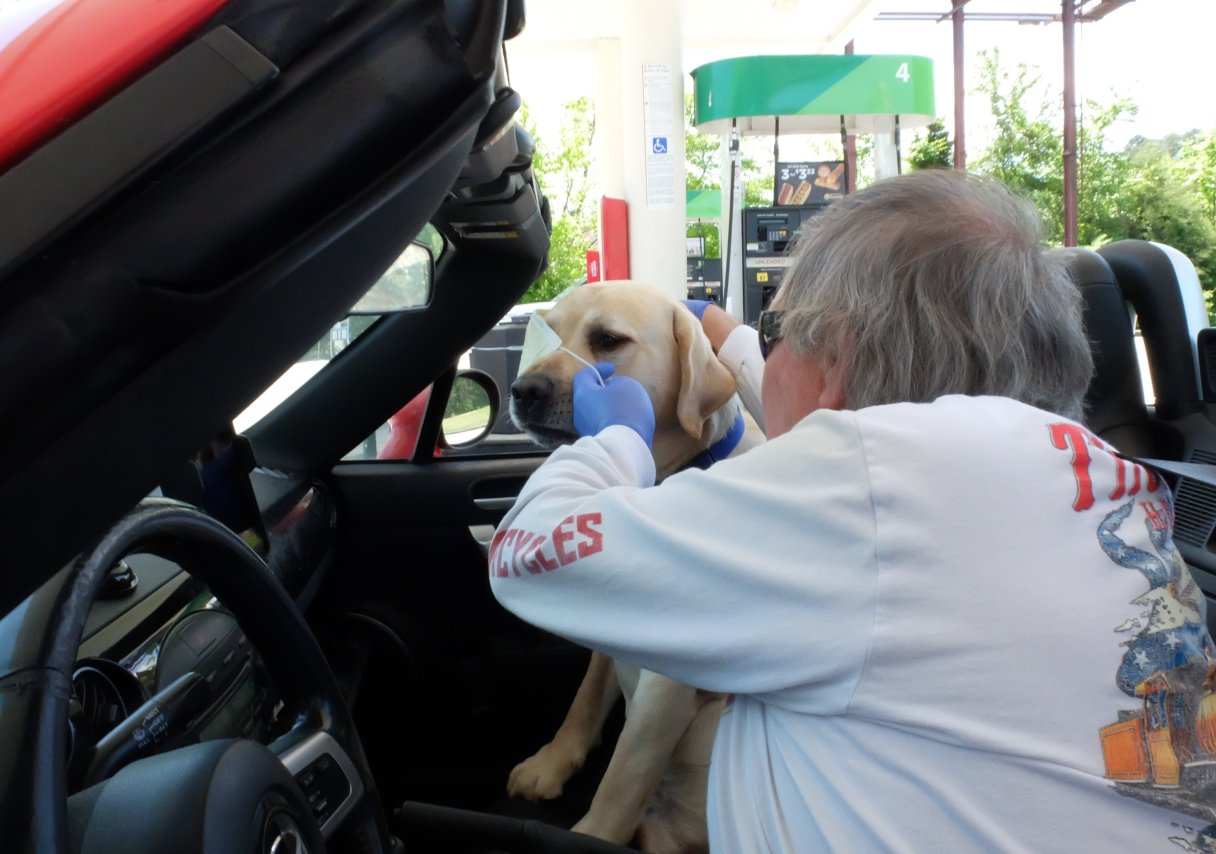

After the first known canine coronavirus diagnosis in the U.S., area veterinarians and animal welfare agencies remind pet owners that there is no evidence that pets can spread the virus to humans.
“The big issue we’re concerned about is human carriers passing it to animals,” said Dr. Marcy Souza, director of Veterinary Public Health at the UT College of Veterinary Medicine.
The Chapel Hill, North Carolina, pug that tested positive for the coronavirus lived in a household made up of four humans, another dog and a cat. All were tested, but only three of the humans and the dog tested positive, local news channel WRAL reported.
Neither the U.S. Centers for Disease Control and Prevention, U.S. Department of Agriculture nor American Veterinary Medical Association recommends that companion animals be routinely tested for SARS-CoV-2, the virus that causes COVID-19 in humans, at this time, although public and animal health officials may decide to test certain animals that are showing signs of illness and that are known to have been exposed to the virus, according to Animal Welfare Daily Digest, a daily newsletter for animal shelters on COVID-19 and animal welfare.
Of the three to four dogs diagnosed with coronavirus across the globe, none were actually sick – they were tested because their owners tested positive for the coronavirus, said Souza. Half of the six or seven cats that tested positive had mild respiratory symptoms, while the other half had no symptoms at all, she added.