
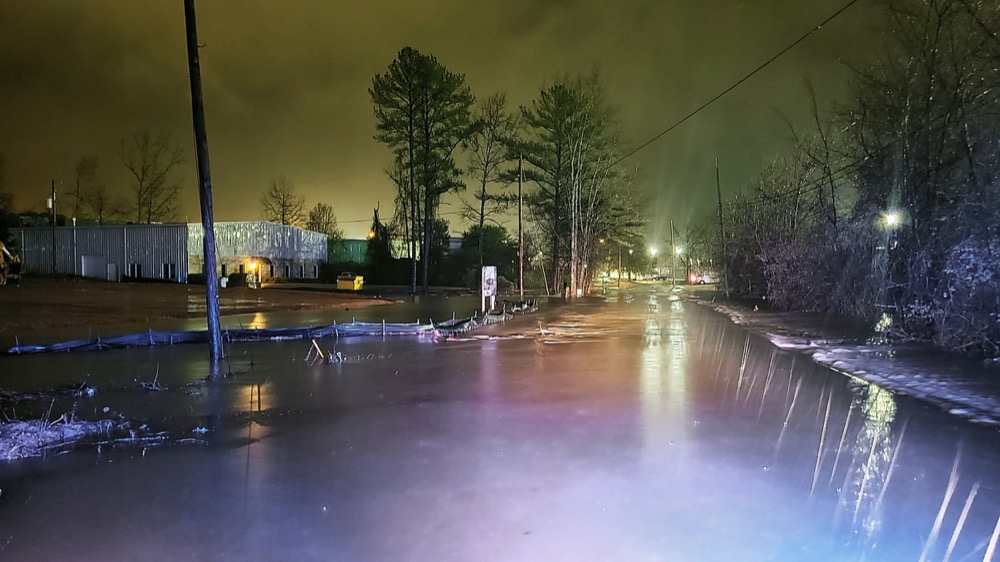
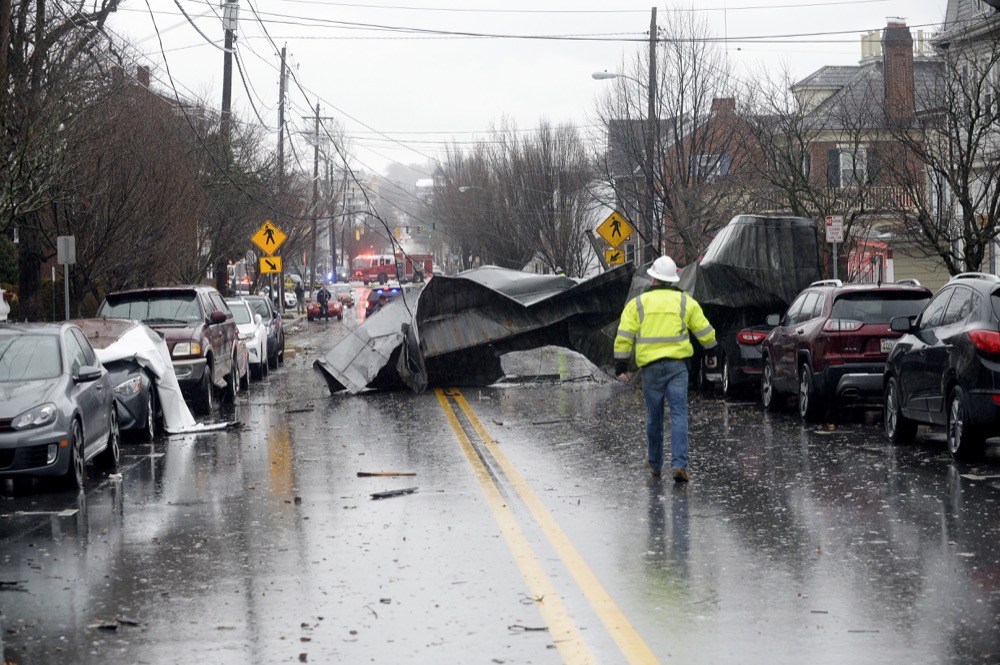
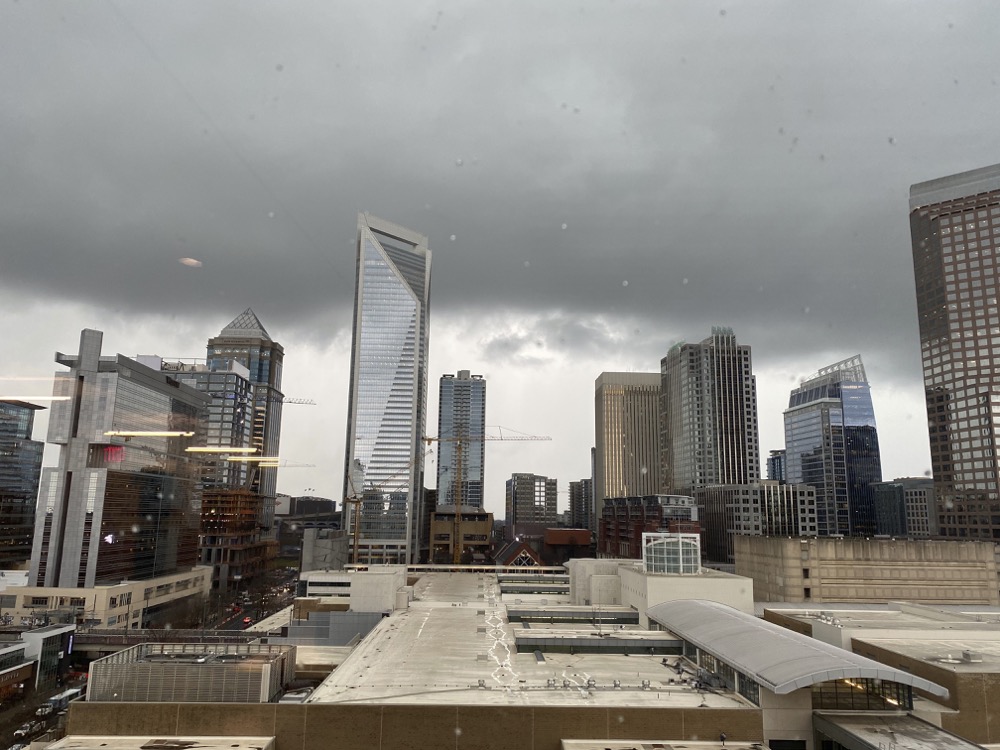
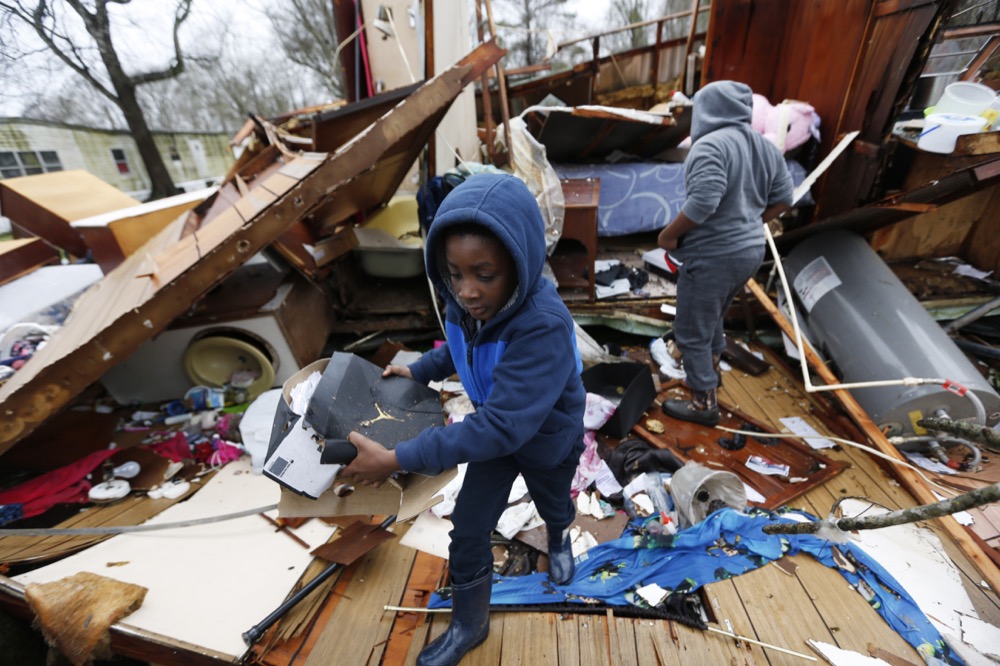

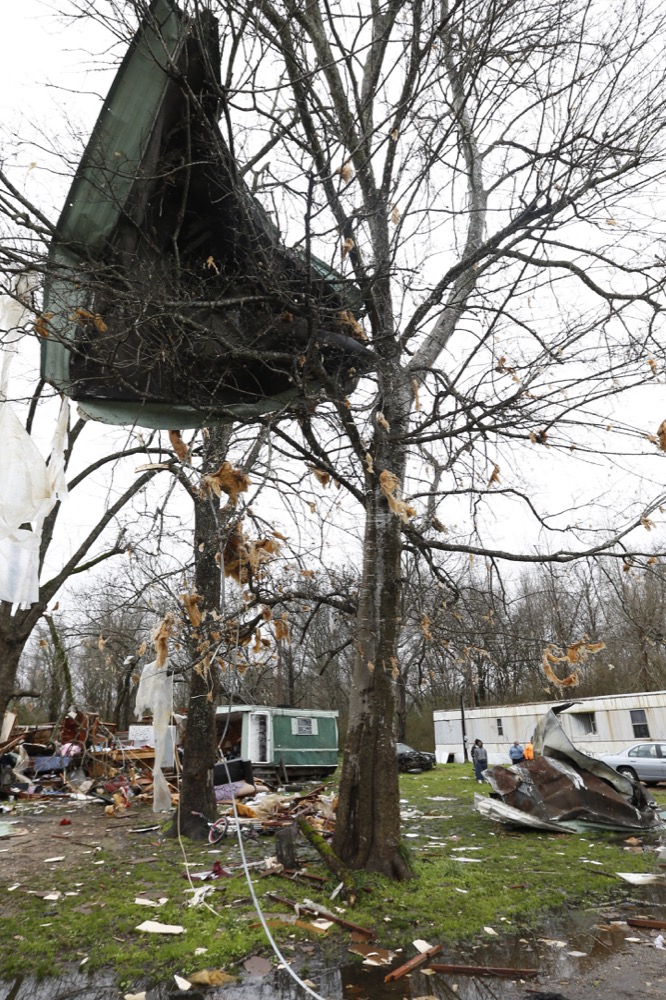
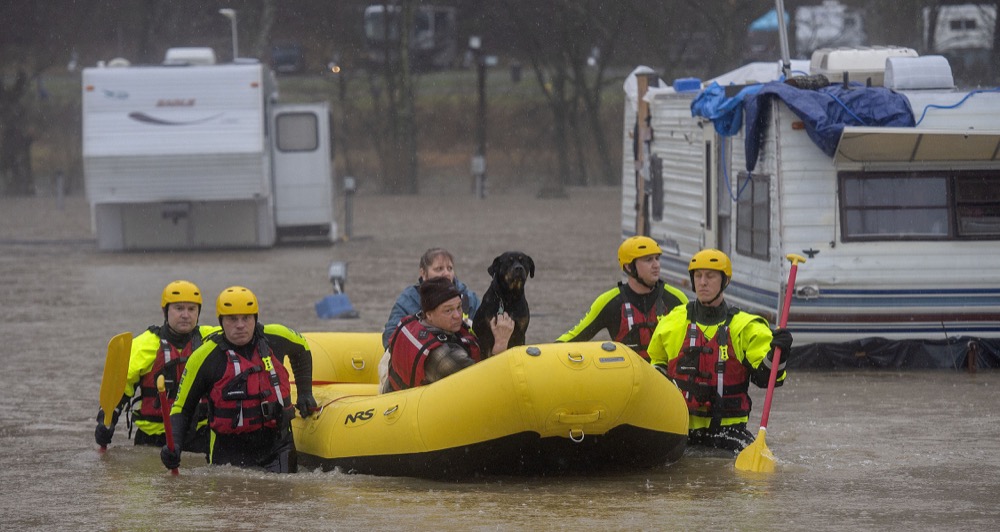

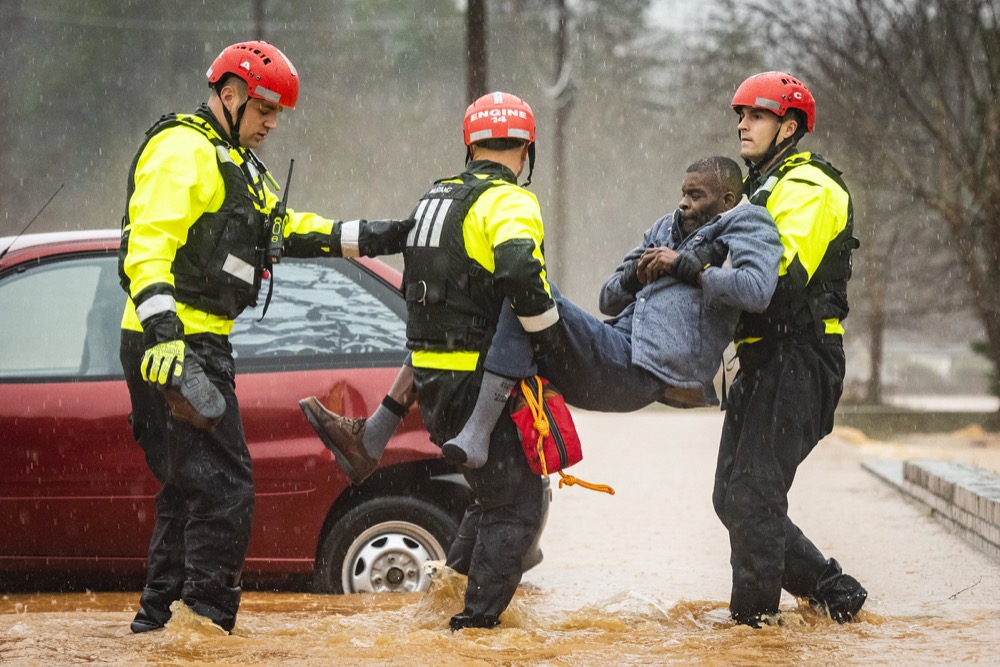
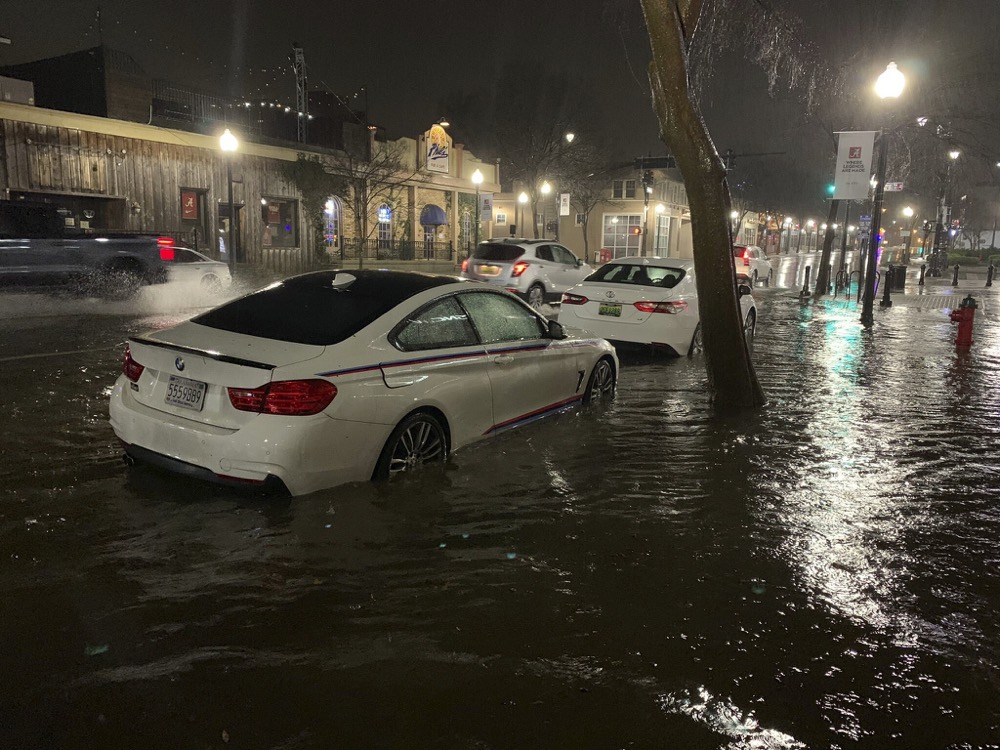
LOUISVILLE, Ky. (AP) – Extreme wind gusts, blowing snow and widespread flooding made traveling treacherous on Friday as a storm system moved into the northeastern United States, leaving rising water and at least five deaths in its wake across the South.
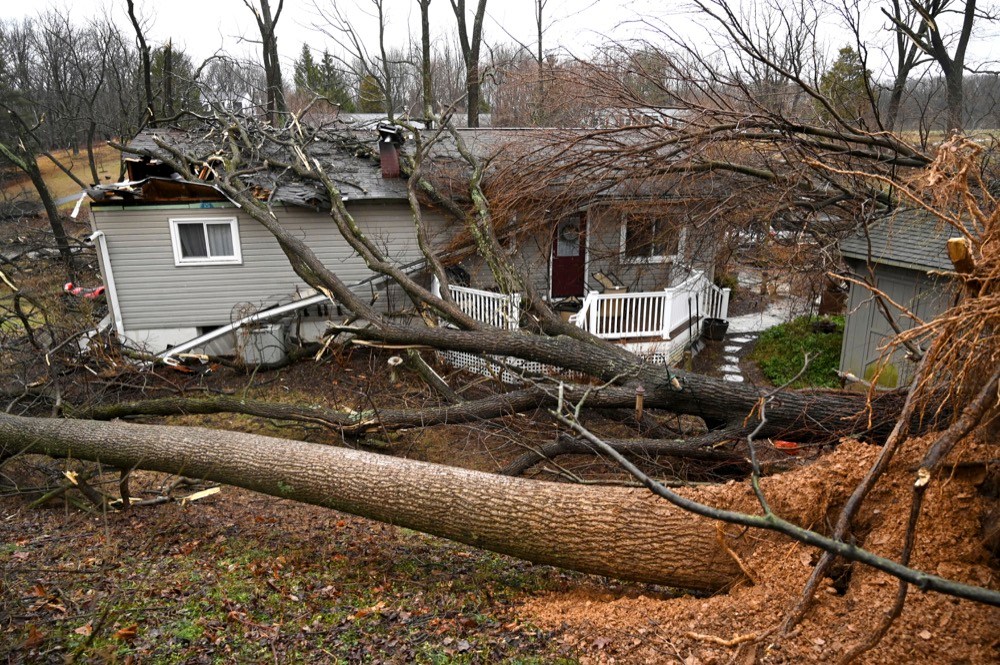
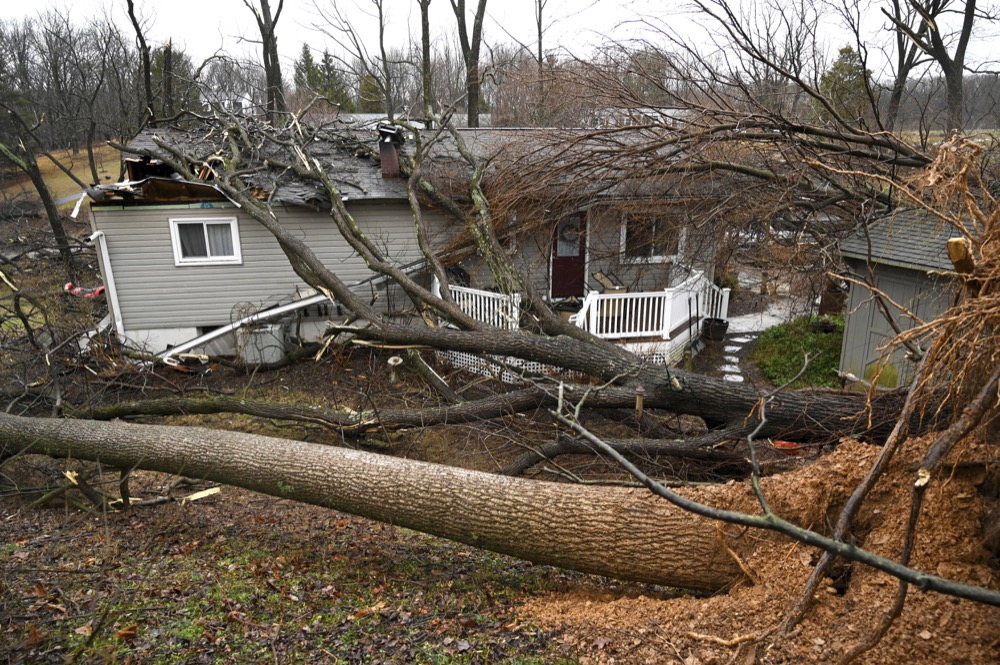
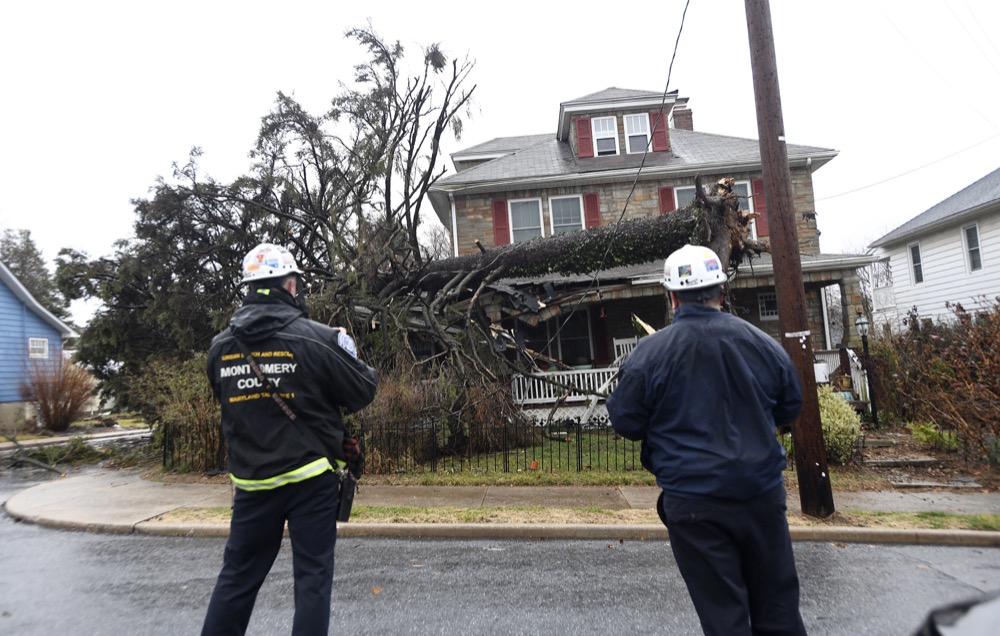
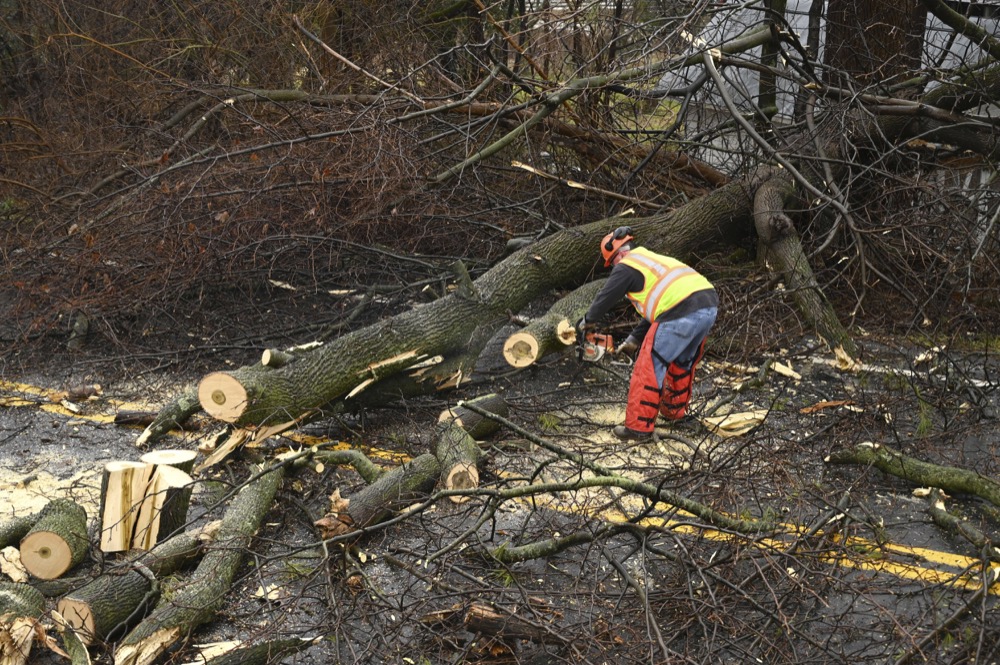
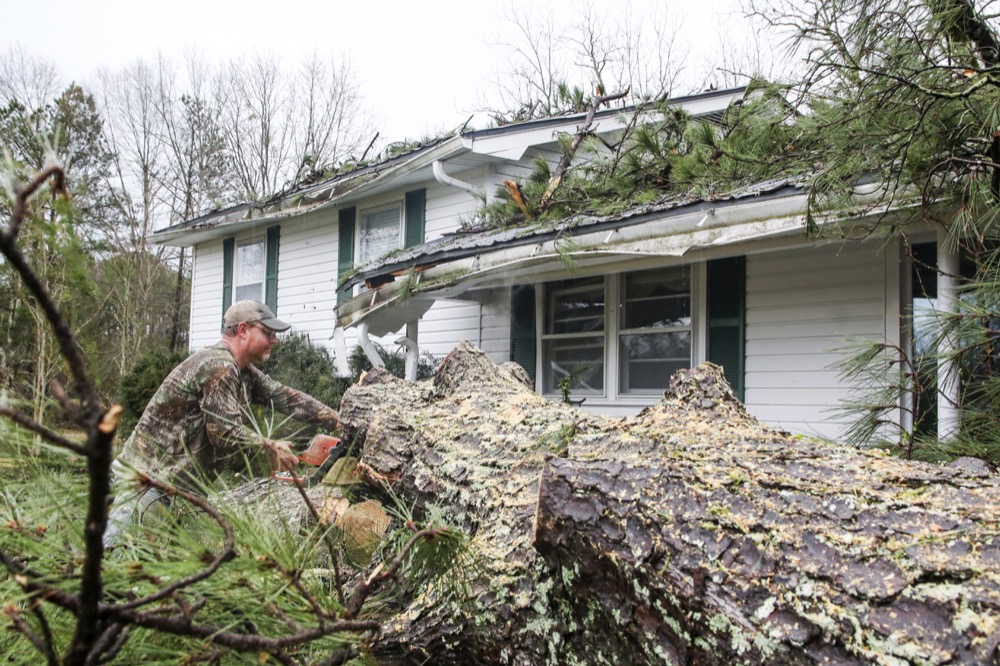
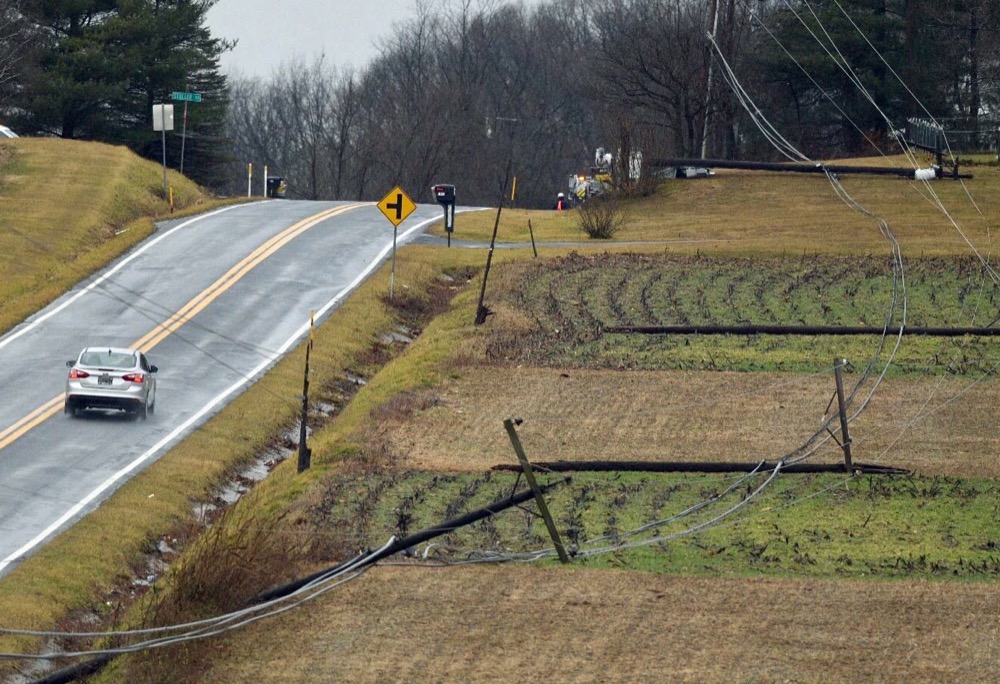
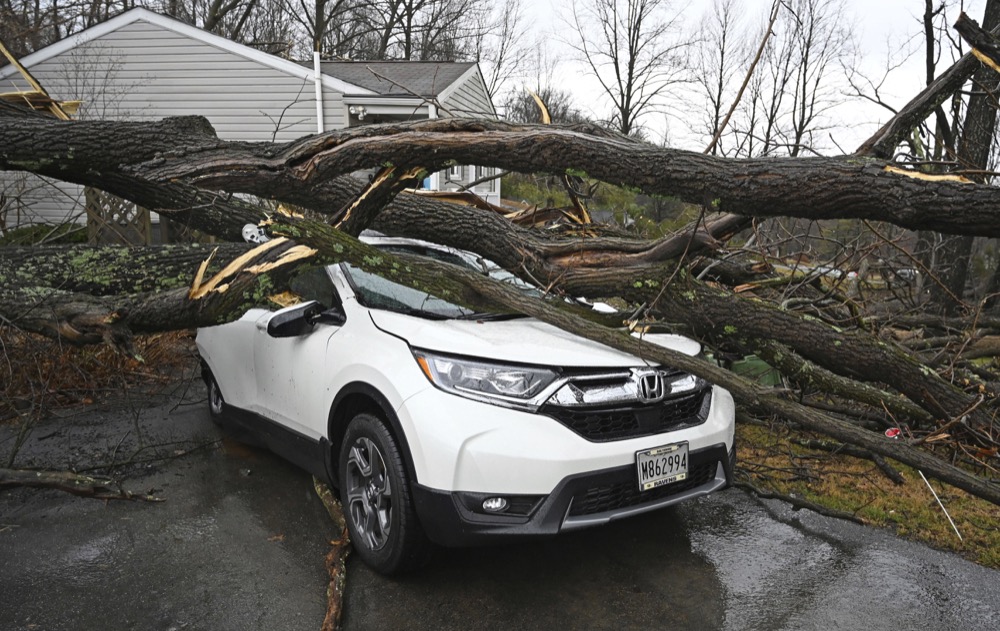
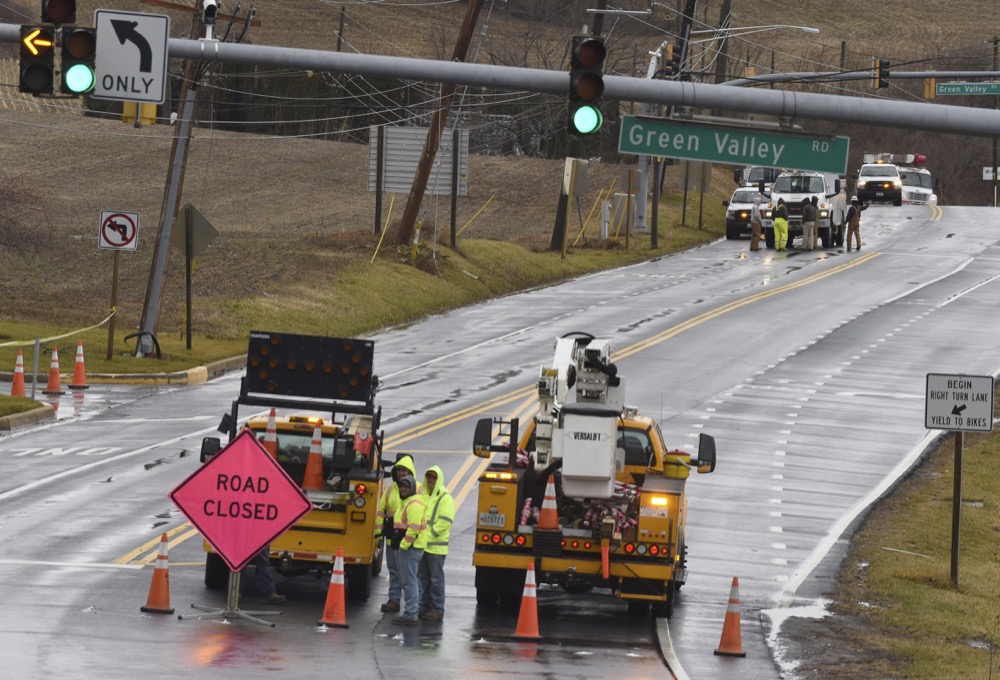
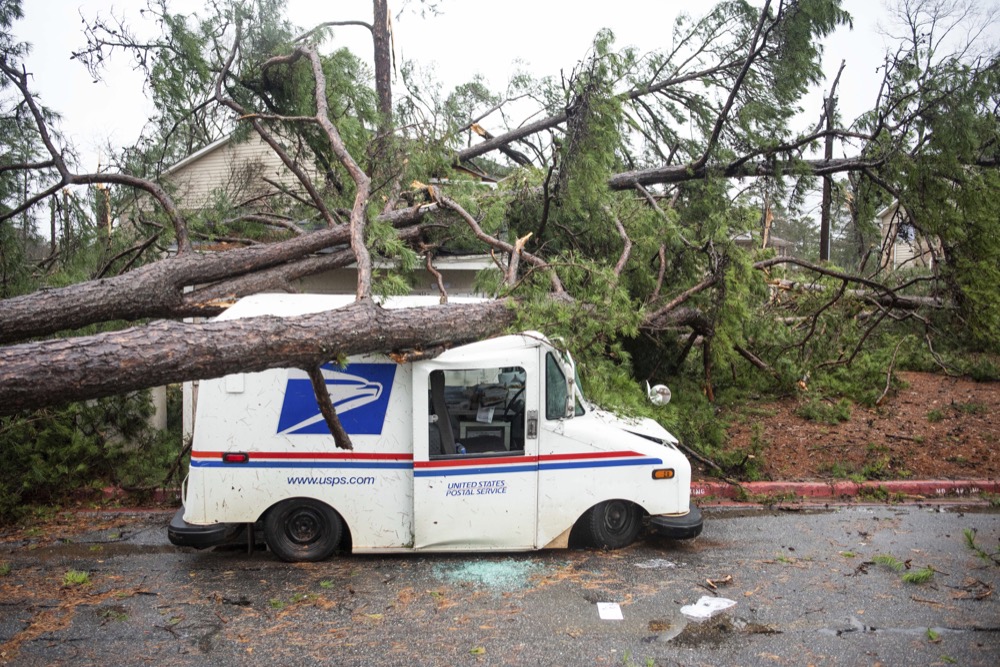
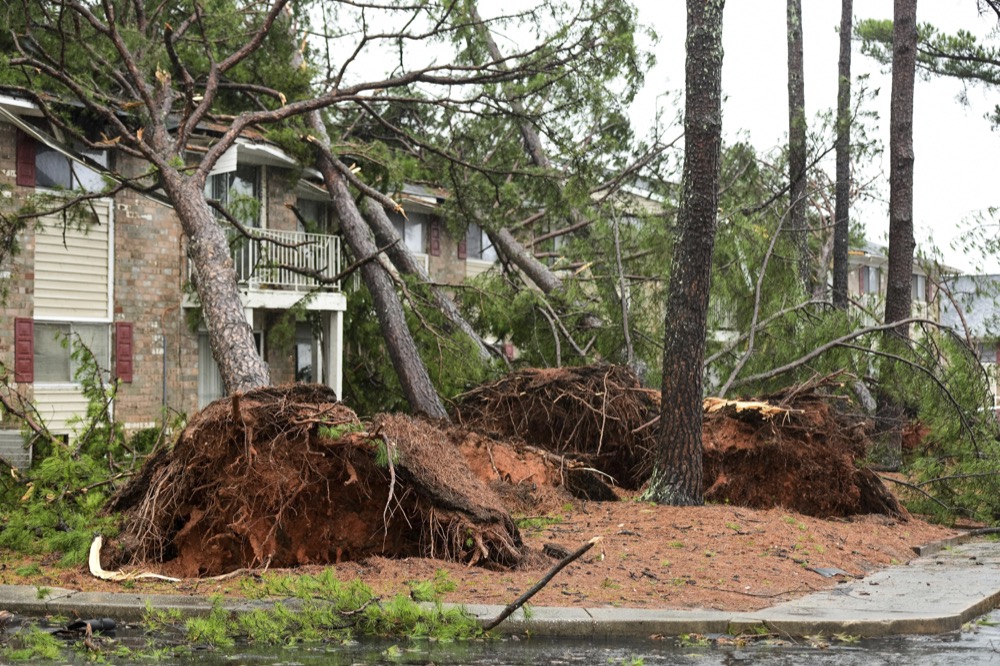
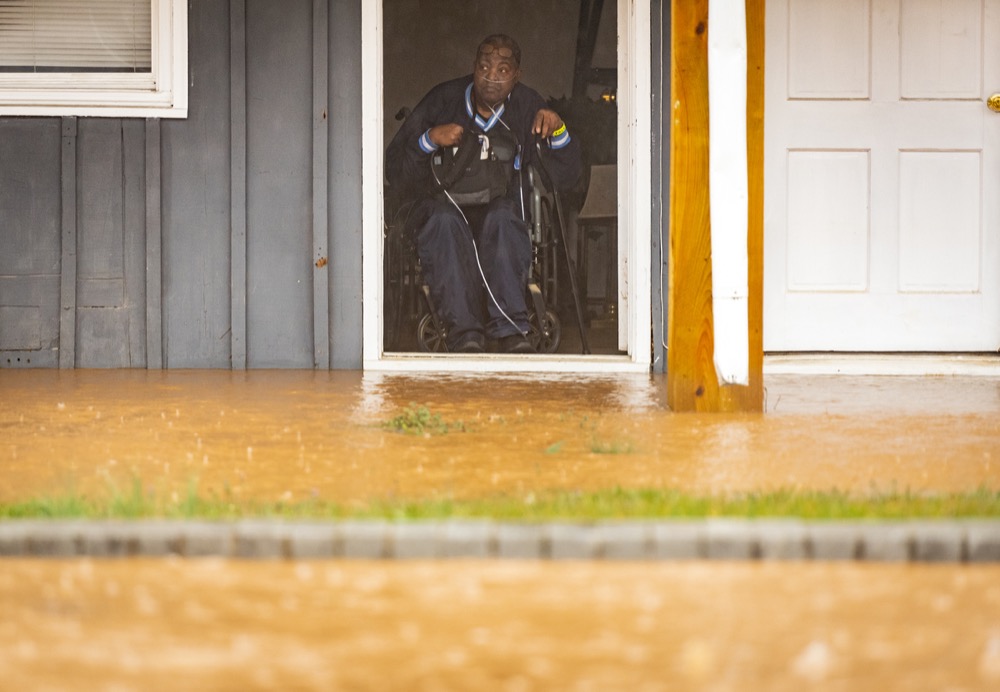
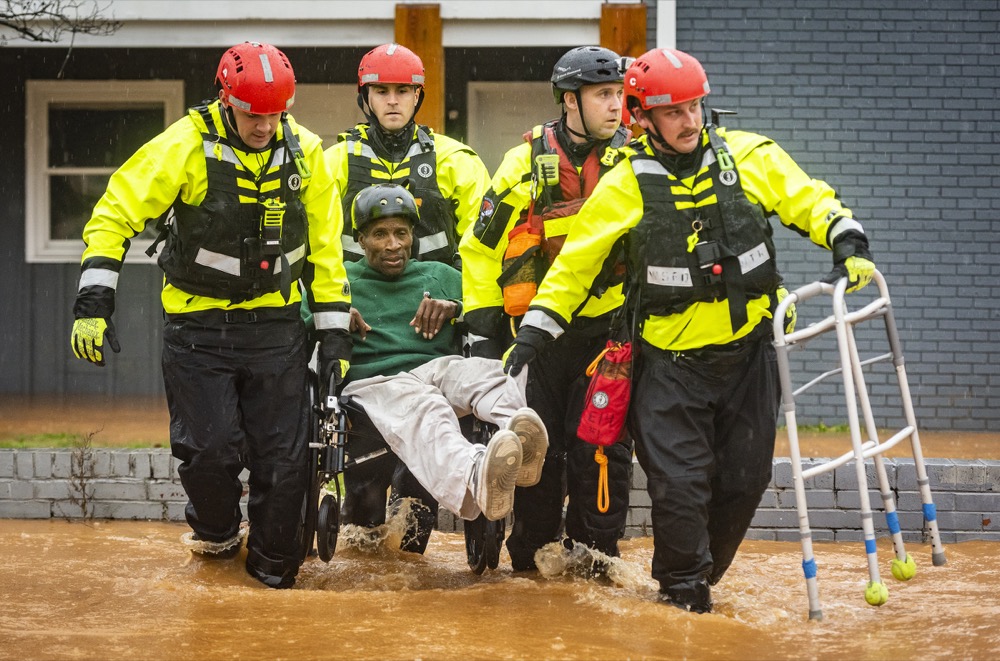
More than 400,000 homes and businesses were without power Friday after the National Weather Service warned of gusts up to 60 mph (97 kph) from Virginia into New England. Falling trees damaged homes and power lines in many places. North Carolina and Virginia, where hundreds of people had to be pulled from flooded homes, had the most customers without electricity, according to poweroutages.us.
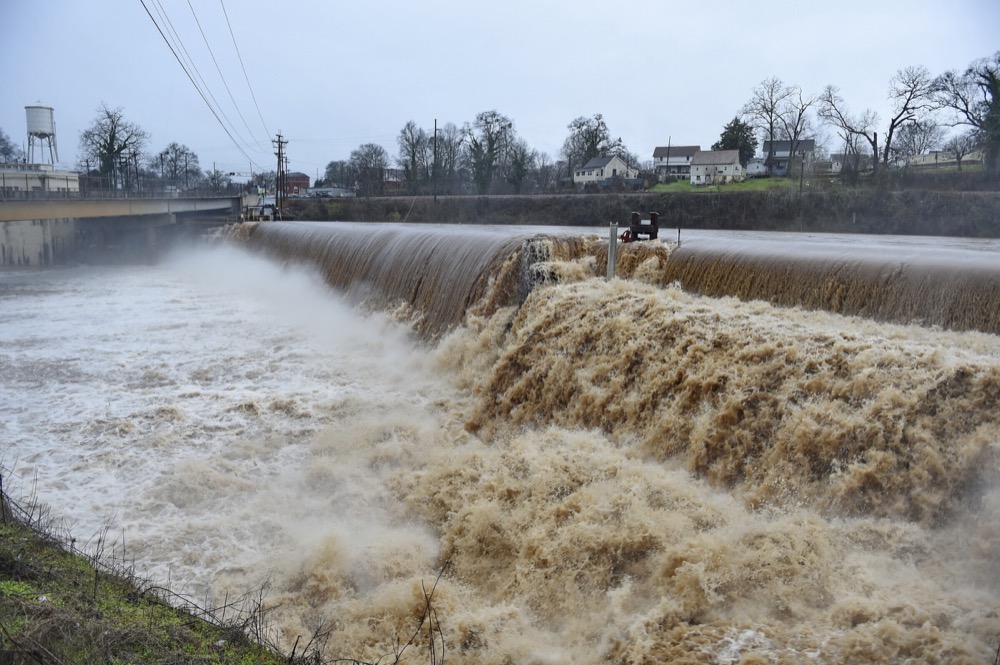
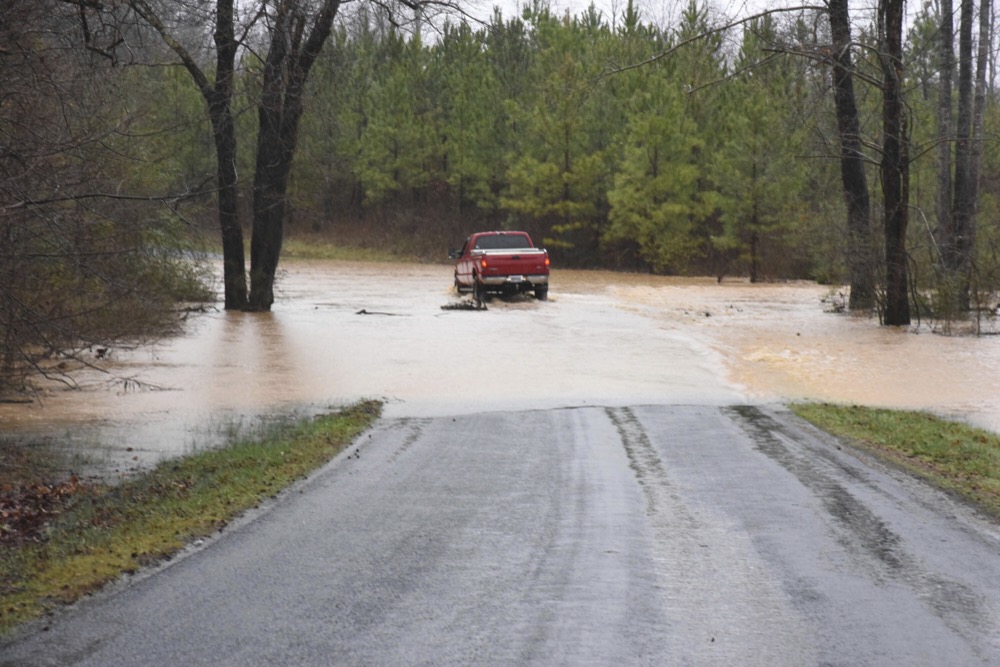
With water levels were rising fast after up to 8 inches (20 centimeters) of rain in just three days, the Tennessee Valley Authority said it began making controlled releases from some of its 49 dams in Tennessee, Georgia, Alabama and North Carolina. That could lead to more flooding downstream, so people who live near the water should be wary, said James Everett, senior manager of the utility’s river forecast center in Knoxville, Tennessee.
Creek water was still raging Friday in Alabama’s Buck’s Pocket State Park, where a person was seen inside a car as it disappeared under the surface two days earlier. Rangers walked for miles above the swollen creek but found no trace of the vehicle, so authorities sent up a state helicopter crew on Friday.
“The weather is better, but the water is not. The water is several feet higher than normal. It’s extremely high and fast.” Alabama Trooper Chuck Daniel told The Associated Press. “Until that water slows down, nobody’s going to get in that water.”